Sarah Mills: Birthdays bring a sense of wistfulness and nostalgia
Sarah Mills says getting older isn't for the faint of heart, and turning a year older can make a person think about youn...
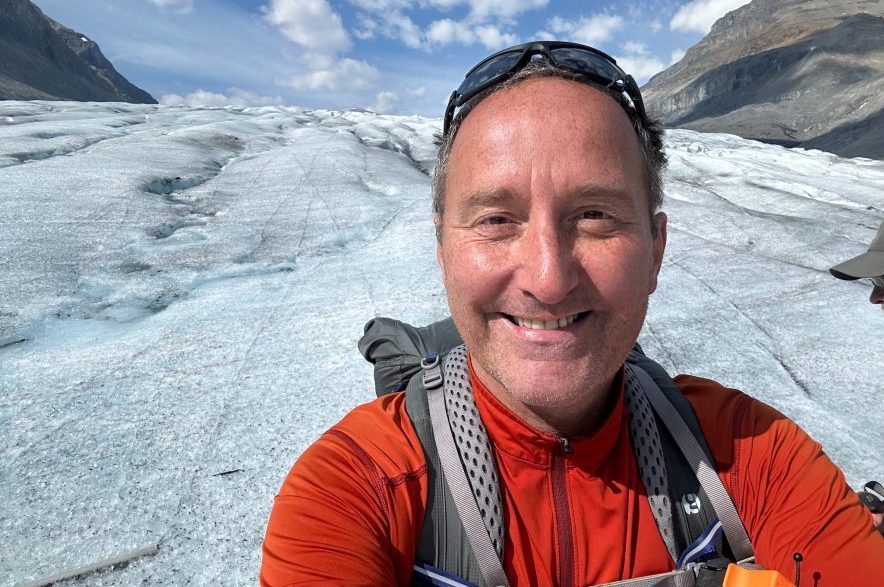
A Canadian backpacker said there have been a lot of “disturbing” incidents reported involving wildlife in North America this year, citing a noticeable increase in “abnormal animal incidents.”
“Something has changed this year in some way with animals. There’s no question about it,” Stuart Howe shared in an interview with 650 CKOM.
Howe, a professional backpacker and backcountry safety and skills educator living in Alberta, has spent a lot of his life outside in the woods. He’s logged about 18,000 kilometres of backpacking in remote areas and shares his outdoor expertise on his YouTube channel, Howe’s the Hike?
Read more:
He noted the importance of distinguishing between an increase in reports and an actual increase in wildlife attacks. He said more people working, travelling and recreating in remote wilderness areas, as well as more people sharing their experiences online, can create the illusion that there have been more wild animal attacks this year.
However, based on his own research, Howe said it does seem such incidents have been on the rise in 2026.
“Most of the work I did earlier this year, presenting that, was on bears, but certainly we’ve seen it with wolves and we’ve seen it with cats as well,” Howe said.
Earlier this year, two separate bear attacks in the province left three people dead.
The Government of Saskatchewan’s Ministry of Community Safety reported an increase in animal attacks over the past three years. In an email, the province said there were no reported wildlife attacks in 2024 and one attack and no fatalities in 2025. This year, there have been five reported wildlife attacks and three deaths.
According to Howe, the wolf attack in Saskatchewan that happened last week near Key Lake was an exceptional anomaly. The province agreed that wildlife attacks involving humans are rare and said conservation officers take these public safety events “very seriously.”
As for why these incidents might be happening, Howe said it’s too early to know.
“We’re getting better at tracking these things and tracking trends. But a wolf attack like you had, that’s extraordinarily rare,” Howe said.
The wolf suspected in the attack was euthanized and the necropsy results have not yet been shared. Howe said those results can yield valuable information, like whether the animal was sick or diseased, how old it was and whether it was malnourished.
He referenced a case in Banff National Park a few years ago where a couple and their dog were killed by a bear. The necropsy revealed the bear was 25 years old, had bad teeth, was malnourished and couldn’t feed itself, and likely didn’t have enough body fat to survive the winter.
“These are important questions because sometimes it comes down to being as simple as the wrong animal in the wrong place at the wrong time for that human. And if it’s a diseased or sick animal that’s old, can’t feed itself, whatever, their behaviour because of their stress level is going to change exponentially,” Howe explained.
The Ministry of Community Safety said the final results of the wolf necropsy from the Oct. 17 attack are still pending. The investigation remains ongoing and “no further information is available at this time.”
Howe said experts will watch what happens in the coming year to see if further reported incidents continue to rise and a trend or root cause can be established, in line with the behaviour.
“Then, we are going to have to adapt to that,” Howe stated.
He said human behaviour impacts animal behaviour, and anything from food left lying around to footprints in wilderness areas or any kind of development can impact wildlife.
Howe strongly encouraged people to get their outdoors and backpacking information from vetted sources.
“Far too many people these days are getting wildlife behaviour advice, backcountry behaviour advice, wilderness behaviour advice from places like Facebook, online, other online forums, and places like that,” Howe explained, “and they’re assuming the person giving the advice is an expert or has vetted their sources. And in many cases, that’s just not true.”
“Conservation officers continue to focus on public education and prevention measures to reduce the potential for interactions between humans and aggressive wildlife to help keep communities and residents safe,” the Ministry of Community Safety shared in an emailed statement.
Saskatchewan reported a fatal wolf attack in 2005, when Ontario geology student, Kenton Carnegie, was killed near Points North Landing Camp. The 22-year-old’s death prompted an inquest in Prince Albert in 2007 that resulted in several recommendations.
Those recommendations included “more education for northern residents, workers and the public about predatory wildlife, better regulation of northern landfills, improved co-ordination of agencies investigating suspected predator attacks, and immediate reporting and expedited permits to deal with habituated animals.”
“The Government of Saskatchewan accepted all recommendations,” the Ministry of Environment reported.
The ministry said the province has improved waste management and public safety alongside northern communities, industry and other levels of government over the past two decades.
It reported doing so by publishing a wildlife deterrent electric fence design plan in 2024, “dramatically” reducing bears near the Village of Beauval by installing temporary electric fencing at a landfill, ongoing wildlife safety education and amending The Wildlife Regulations to make it unlawful to feed or attract dangerous wildlife.
Through partnerships with First Nations and other communities, regional northern landfills have also been created, while historical non-engineered landfills have been closed.
“The first regional partnership facility, the Lac La Ronge Regional Waste Management Corporation, is operational, and others are in progress,” the ministry reported.
The province also noted it has a specialized team of conservation officers, the Wildlife Human Attack Response Team (WHART), which was established in response to the inquest recommendations. The team works with police services and the Saskatchewan Coroners Service to investigate serious wildlife attacks involving humans.
Another recommendation from the 2007 inquest stated that “response times for permits to destroy habituated, dangerous, predatory animals should be immediate!” The wolf believed to be involved in the attack on Oct. 17 was captured and euthanized within three days.