
Murray Wood: The most important documents in your house probably aren't the ones you think of first
As Murray Wood explains, the most important pieces of paper in our lives are often buried in a drawer or a box in a clos...
Saskatchewan’s plan to introduce involuntary addiction treatment left harm-reduction advocates calling for clarity this week, saying the province has yet to explain how the system would work or how it would improve safety for people who use substances.
The province introduced its Compassionate Intervention Act on Friday, giving police, medical professionals and the courts the ability to send someone for an assessment if they’re believed to pose a risk to themselves or others.
Read more:
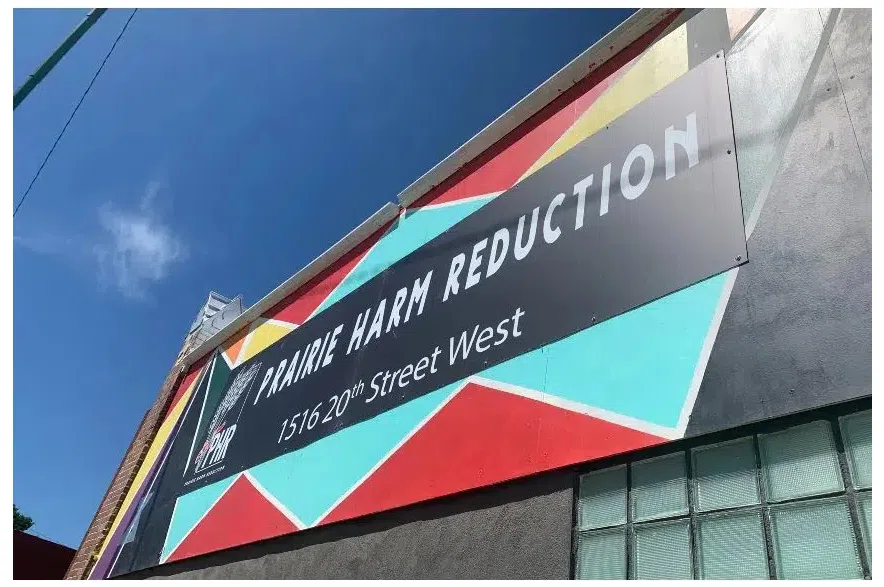
But Saskatoon’s Prairie Harm Reduction’s Executive Director Kayla DeMong said the legislation raised more questions than answers.
“There’s a lot of concern right now that this is just another form of incarceration and will not effectively address the issues we’re seeing in our community,” DeMong said.
She said the bill does not outline how people would be assessed, what criteria would determine whether someone must stay in treatment, or what “success” looks like for a person leaving care.
Early conversations have compared the process to short-term mental-health holds. Still, DeMong said even that framework is not yet confirmed.
Part of the uncertainty, she said, came from the lack of detail about what happens after those assessments. If someone is released after a short stay, she said it’s unclear what services, if any, will be waiting for them once they return to the community.
“We don’t know what they’re being released out to,” she said. “What resources are people going to have access to? There are just so many questions and there have been no answers.”
DeMong said the organization had not been contacted by the province for consultation. She added that Indigenous communities should be prioritized in any discussions, given their over-representation in both the justice system and health-care gaps linked to colonization.
One of the biggest concerns DeMong hears from clients is fear. She said many people accessing Prairie Harm Reduction are already anxious that the legislation could force them into a system that feels punitive rather than supportive.
“People are terrified,” she said. “The idea of being forced into another form of incarceration is terrifying in the community.”
She also questioned how the bill could function when the province continues to face long wait lists for voluntary treatment.
She said Saskatchewan still lacks the housing, mental-health services and transitional supports that make treatment effective, especially for people with complex needs.
“The most effective treatment models have a multi-tiered approach… detox, inpatient, transition, housing and independence,” she said. “We need that full spectrum before any of this happens.”
DeMong said without those pieces, the legislation risks pulling people into treatment without ensuring there’s a meaningful path forward afterward.
— with files by Marija Robinson, 650 CKOM
Read more: