

Murray Wood: It's a Monday Melange
From the B.C. NDP being DOA to the Riders, Trump and Murray Wood campaigning for a spot at the trough.
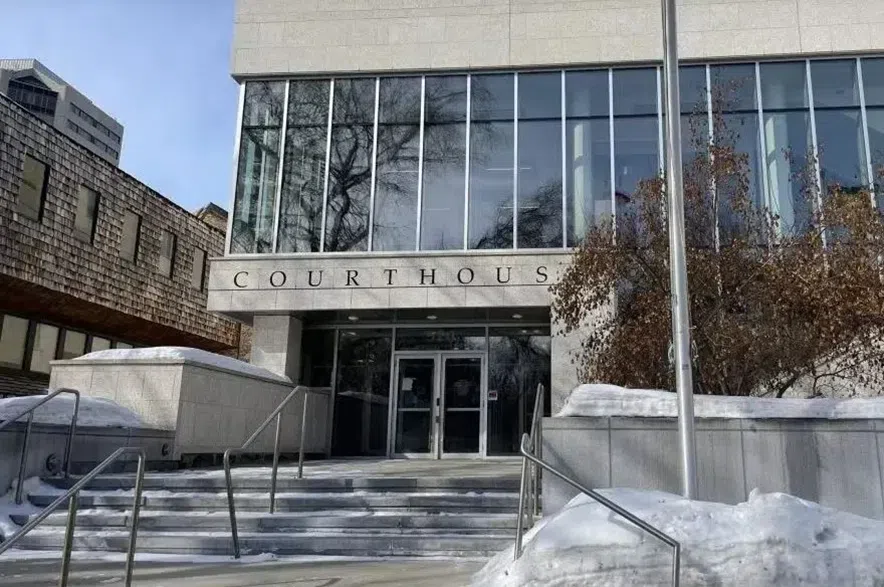
Saskatchewan has updated its regulations around legal name changes to prevent anyone convicted of several serious crimes from changing their names.
According to the provincial government, the regulatory change means that a name change can be refused to anyone who has been convicted of murder, fraud or certain drug offences, as well as long-term offenders, high-risk offenders or dangerous offenders, which are special designations issued by the courts.
Read more:
Additionally, applying for a legal name change in Saskatchewan now requires a certified criminal record check which includes fingerprinting, the government noted.
About 1,000 people apply for a legal name change in the province every year.
“The expansion of additional criminal code offences ensures that individuals convicted of serious crimes remain accountable and visible to law enforcement and the public,” Tim McLeod, Saskatchewan’s justice minister, said in a statement.
“These changes reinforce transparency and uphold the integrity of our justice system.”
Health Minister Jeremy Cockrill said the change – which was first announced in the Throne Speech earlier this fall – is about ensuring criminals “cannot escape the consequences of their past actions,” and making the province safer.
“These amendments will strengthen protection for victims and the public,” Jeremy Cockrill said in a statement.
“After consultations with local police services in the province, there is a clear consensus that those individuals convicted of serious offences cannot hide behind a new name.”
Last month, the provincial government introduced new legislation around name changes, allowing more options while laying the groundwork for the regulatory changes announced this week.
The new legislation permits residents to register more than two surnames, and allows for mononyms to be registered “when the name holds cultural or religious significance.” The new laws also remove a requirement that required a person requesting a name change prove that their spouse is aware of the request, in order to protect both privacy and personal safety.