Murray Wood: Why this Roughrider season has not been like a roller coaster
Murray Wood says the Saskatchewan Roughriders' fans like him remain defiantly optimistic no matter what, even if they so...
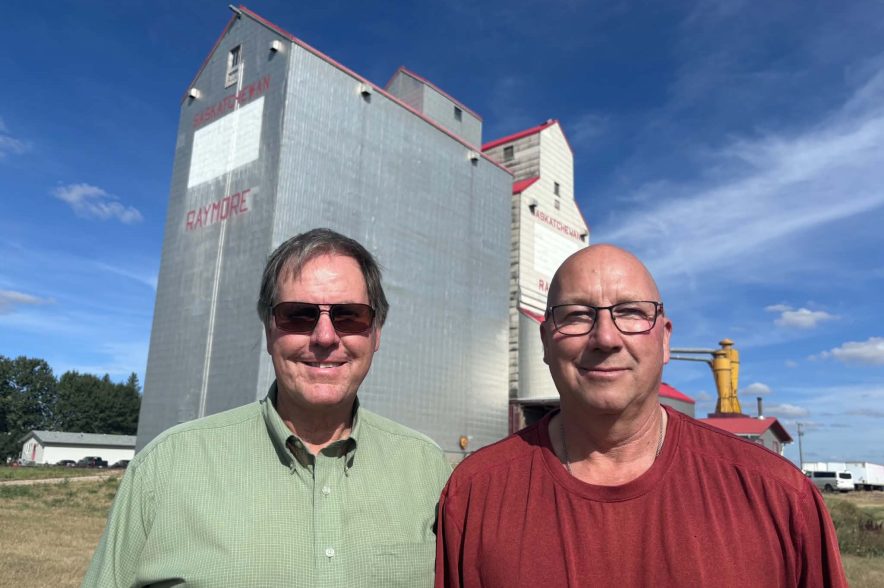
Farmers in Raymore hope to sell a wooden grain elevator they bought more than two decades ago.
If they can’t sell or donate it, they’ll have to tear it down.
Read more:
Tom Benson, Duane Kirstein and Kevin McIntosh banded together to buy the elevator in the early 2000s.
“It fit well for our farms at the time,” said Benson. “We’re kind of proud that we’ve been able to keep it up and keep it in shape and keep it operating.”
Kirstein said his father had the idea to buy the grain elevator decades ago.
The elevator, previously owned by the Saskatchewan Wheat Pool, provided a good grain-storage opportunity.
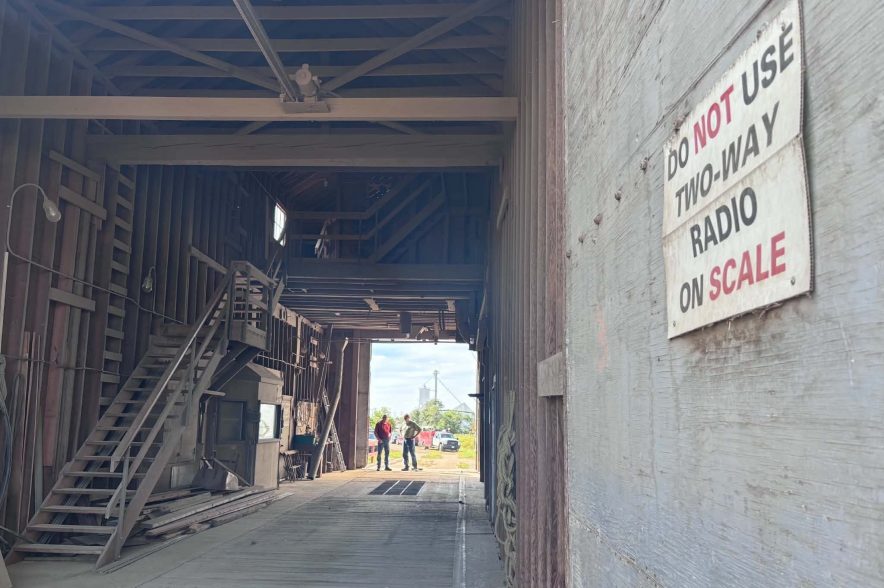
The farmers bought the Raymore elevator for $65,000 over 20 years ago. (Gillian Massie/ 980 CJME)
Benson said the elevator holds more than 200,000 bushels of grain.
“An elevator like this offers a lot of flexibility because of the number of bins it has and the ability to elevate grain and turn it,” he said.
The farmers can weigh their grain loads on the scale and use the grain cleaner upstairs.
Kirstein said they are looking to sell the elevator now because each producer is developing more storage space on their own farm’s bin yards.
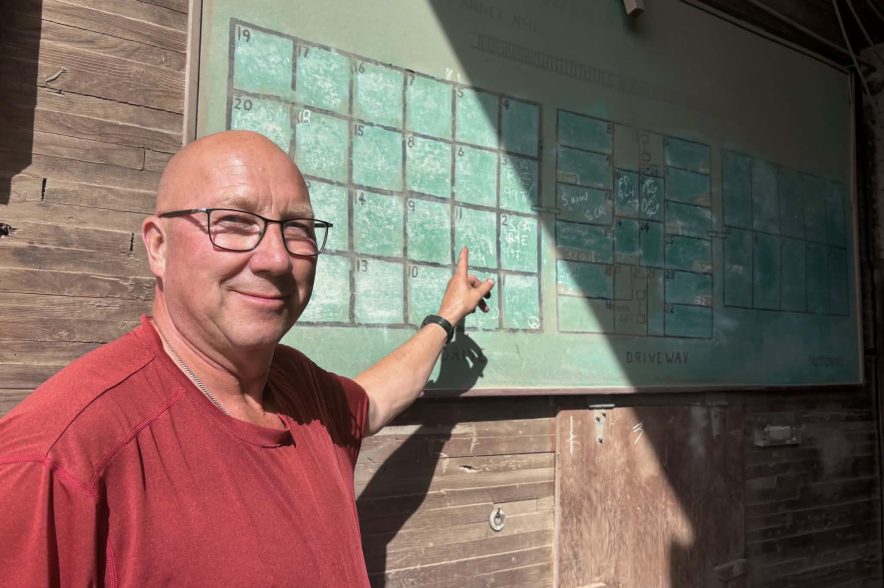
Duane Kirstein points to the farmers’ chart that splits up where each of their grain is stored. (Gillian Massie/ 980 CJME)
“It’s an hour round trip from the time you leave the field at harvest time into here and dump – as long as nobody’s in front of you,” he said. “And then back to the field again.”
If they can’t sell the elevator, Kirstein said they’d be willing to donate it.
“If a historic society would take it on to save it, I think we would be very fair to let them have it,” he said. “I think because instead of knocking it down, that’s very expensive, too.”
Raymore, a town 120 kilometres north of Regina, saw another grain elevator destroyed in 2016.
A group of the town’s community members banded together to buy the elevator from Cargill, but their offer was rejected.
Whether that group will re-emerge, Kirstein said he wasn’t sure.
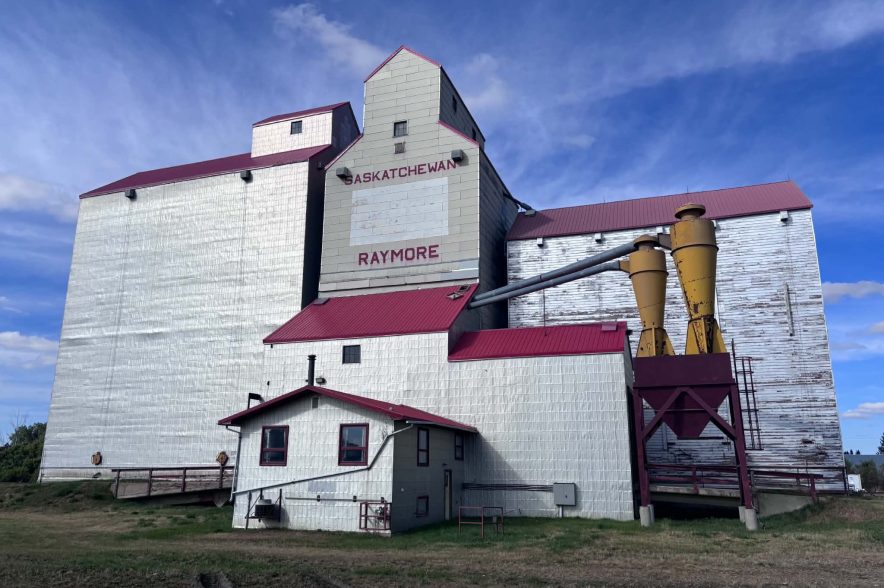
The Raymore elevator, previously owned by the Saskatchewan Wheat Pool, was built in the 1970s. (Gillian Massie/ 980 CJME)
Many of Saskatchewan’s grain elevators are showing their age.
Chris Attrell is a photographer and author who has spent time documenting the province’s last remaining grain elevators.
About 3,000 grain elevators existed in Saskatchewan in the 1950s.
Now, Attrell said about 280 remain.
He said between five and 10 elevators catch fire or are torn down each year in the province.

Nobody was injured in a fire at the Loreburn elevator in 2024. (Davidson Volunteer Fire Department/Facebook)
Elevators take a lot of work to maintain and are expensive to insure, he said, especially beside railway tracks where they are often located.
Numerous other grain elevators have been destroyed by fire or infested with rodents.
“We’ve lost like probably five grain elevators in the last few years to strong winds that have toppled the tops of them off,” he said. “So they have to be torn down because they become hazards to the people.”
Attrell said many people feel sentimental towards the elevators because they don’t want to see a piece of history disappear.
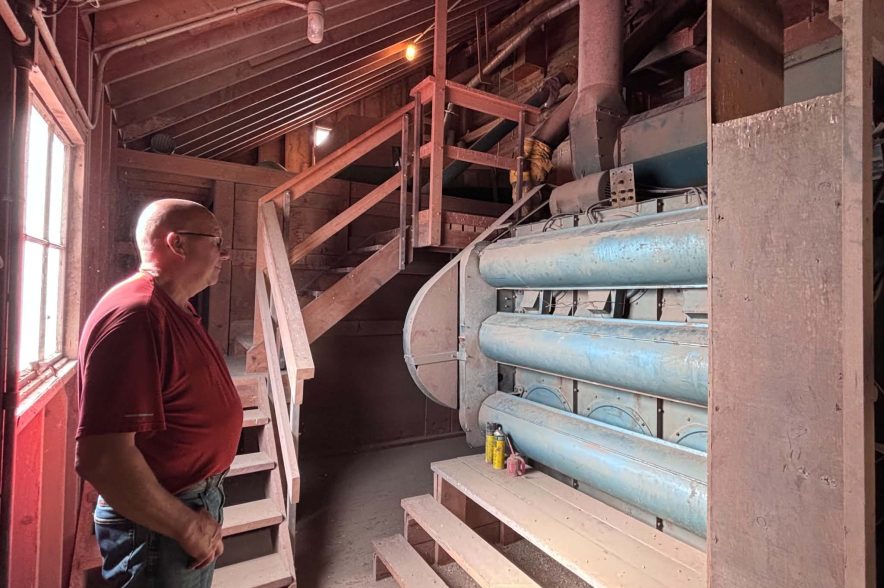
The farmers use the grain cleaner on the upper level of the grain elevator, as well as bins. (Gillian Massie/ 980 CJME)
“I also think a lot of the appeal to grain elevators is just because of how big and majestic they are,” he said.
Kirstein wanted to own part of the elevator because it could have been torn down when it went up for sale over two decades ago.
His fond memories at the Raymore elevator started when he was a kid delivering grain with his dad.
Trucks used to not have a strong enough hoist to unload the grain.
Kirstein said a winch would pick up the nose of the truck and dump the grain for weighing.
“I remember sitting in the cab, and Dad would leave me in the cab as they picked the truck up in the air to dump the grain,” he said with a laugh. “Then away we’d go again back home.”
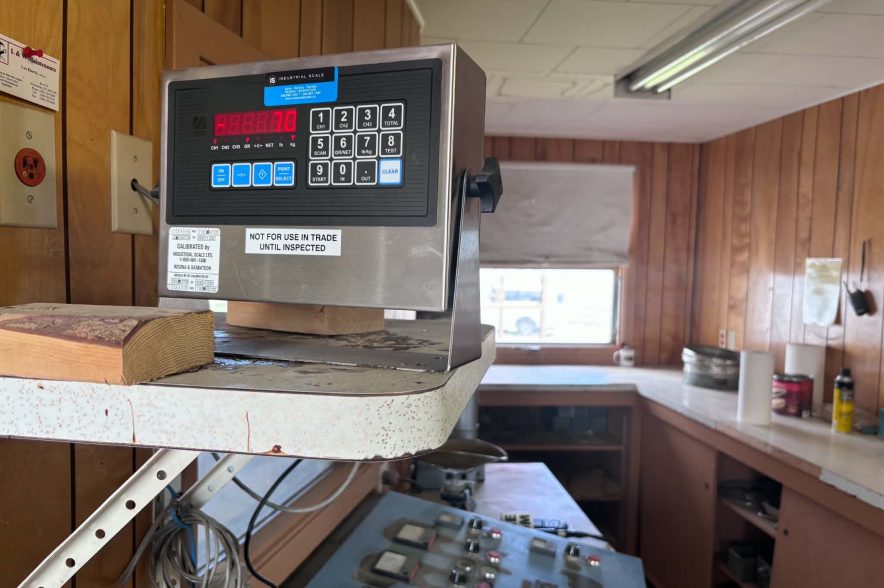
The grain elevator control room sits behind the window of the semi scale. (Gillian Massie/ 980 CJME)
Benson remembers the elevator agent’s office was a bustling place in the winter months, with people often stopping in for a break.
The trio of farmers still put on coffee every once in a while in the old office.
“There’s a lot of history here that we’d like to preserve, and so yeah, we’d be very sad to see it gone,” Benson said.