

Murray Wood: Conservative floor crossers could hand Mark Carney a majority government
Murray Wood says Prime Minister Mark Carney is happily accepting floor crossers from the Conservatives, but maybe it's t...
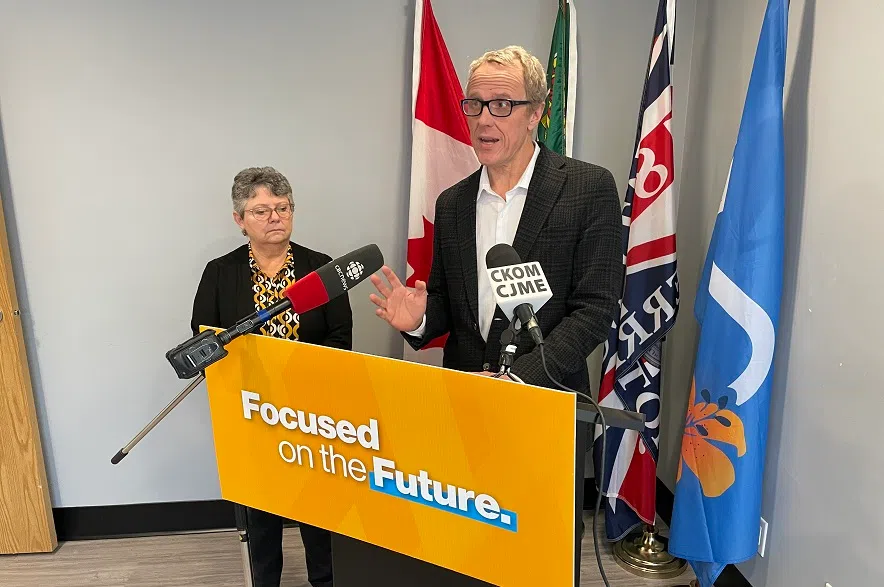
Personal care home workers in Saskatchewan can change a catheter or care for someone with dementia without practising hands-on first.
In the provincial auditor’s report released last week, issues regarding special-care homes were raised. They included infrequent inspections and a lack of follow-ups to ensure non-compliance issues were remediated.
Read more:
But NDP health critic Keith Jorgenson said these problems are also happening in personal care homes, which tend to be smaller and privately run.
According to Jorgenson, some personal care homes have gone more than four years without an inspection and there’s sometimes no follow-ups checking that non-compliance issues were corrected.
“Taco Bell could not be open more than 365 days in a row without being inspected,” Jorgenson said.
“So why do we allow seniors homes, or a personal care home that is caring for very, very vulnerable people, to stay open four times longer without an inspection?”
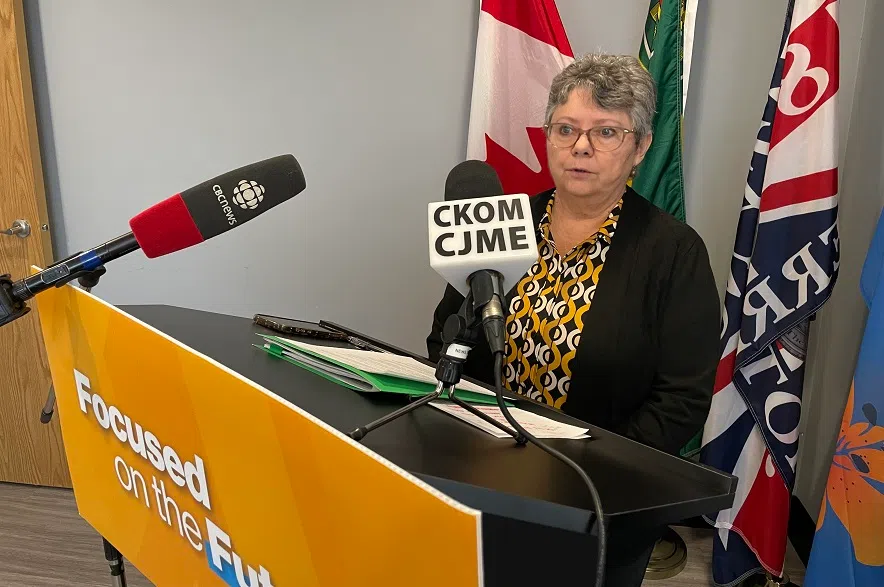
In addition to making the personal care worker course four weeks long, Bouvier said it also needs to be updated to reflect the reality of what staff will encounter, ensuring they “feel comfortable doing this care.” (Marija Robinson/650 CKOM)
Anita Bouvier, who previously owned three personal care homes in Saskatoon, agreed with Jorgenson that compliance with care standards is ultimately the responsibility of care home owners.
But Bouvier held that frequent government inspections are necessary because with such high demand for spots in these homes, owners aren’t, “always looking for improvements and betterment” when their “beds are being filled,” she said.
For Jorgenson, what makes the infrequency of inspections worse, though, is the lack of training given to care providers in the facilities, leaving some seniors with “poor quality of care.”
Part of the rise in demand for personal care home spots, according to Bouvier, is thanks to shortages in long-term care beds and consequently the stricter admission criteria for those entering long-term care.
She said it’s left seniors with higher and more complex needs finding spots in private, personal care homes which aren’t designed for the level of care they require.
A consequence of welcoming in those with greater medical needs is that provincial regulations surrounding training haven’t kept pace with reality, according to Bouvier.
Currently, she said staff in personal care home facilities need to have a certificate in food safety, basic first aid, and a personal care worker course that can either be done online or for 16 hours in person.
The provincial government also added that a course in medication assistance is also required for those helping with medications.
For Bouvier, these standards don’t reflect the complexity of care provided in these homes.
“You need hands-on training to provide health care, no different than nursing,” she said, adding how people wouldn’t want to get looked after by someone who’s only had online training.
Bouvier said even workers agree that more training is needed.
“The students that I have taught recently have said, ‘this is nowhere near adequate. I do not feel prepared. You know, this needs to be longer,’” she said, adding how the information included in courses also needs to be updated to reflect what workers are actually going to do.
Otherwise, it leaves people who’ve just done an online course having to care “for somebody that has a bed sore or a catheter,” Jorgenson said.
While he admitted the fix is not to make training so “onerous” that people won’t do it, Jorgenson said it’s about finding the balance of making it accessible while also ensuring people are safe.
For Bouvier, the sweet spot would be a four-week course for staff at the very least.
In an emailed response the provincial government wrote that every personal care home in Saskatchewan has been inspected in the last two years and while inspections “occur typically on an annual basis” they “may occur every two years.”
The difference in frequency, according to the government, has to do with “the number and type of infractions noted during an inspection.”
The response also highlighted how the personal care worker course includes information on topics like understanding a resident’s care needs and care plans, and specialized care training is documented in the patient’s records.
“Registered Nurses, Licensed Practical Nurses, Social Workers, and Continuing Care Assistants,” work in some personal care homes, according to the government, and homes with 31 beds or more are required to have a nurse on staff.
Read more: