
Murray Wood: Saskatchewan's potash helps feed America, and Trump's base is well aware.
Murray Wood says that despite recent talk of tougher tariffs from the U.S. President, Donald Trump's threat to add 'very...
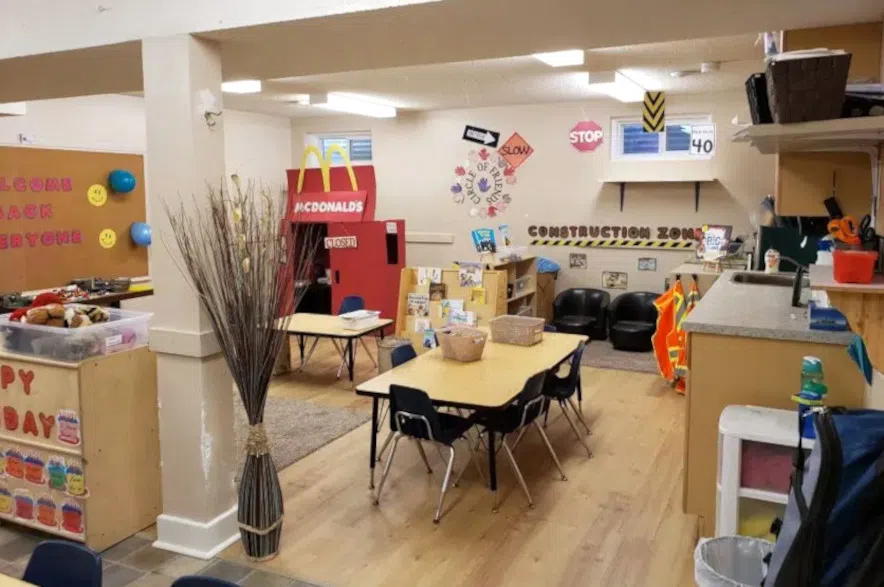
The Ministry of Education could be doing a better job of tracking and analyzing parts of the Canada-wide Early Learning and Child Care Agreement, also known as the $10-a-day daycare program, according to Saskatchewan’s provincial auditor.
In a report released on Tuesday, auditor Tara Clemett’s office analyzed how accessible the program is in Saskatchewan. The analysis was done before the province announced it has signed a deal to extend the agreement another five years, but Clemett said the recommendations will apply going forward.
During an appearance on the Evan Bray Show on Wednesday, Clemett said her office found that the ministry needs to do a better job of collecting certain data and analyzing it, to make sure the right decisions are being made around funding and where spaces are being approved.
As part of the agreement, the province said it will increase the number of child-care spaces by 28,000 to get to about 46,000 by March 31, 2026, and the report found thousands of spaces had been created. However, the auditor’s report noted that the province doesn’t track how well the spaces are being used.
“Some of these spaces that have been created, they aren’t being fully utilized, so there isn’t a child in the space. So, that’s information that, obviously, they should look at closer and go ‘Well, have we almost, you know, made decisions that make the most sense?’” said Clemett.
The report said 694 spaces were underutilized, and 441 providers appeared to be using more spaces than they were approved for – although the report noted that part-time care could account for that – and 39 children were using approved spaces despite being more than six years old.
Clemett said the ministry also isn’t analyzing waiting lists for spaces.
“There might be communities in this province where a provider exists, but what is the extent of wait lists and how many families and children are waiting to get a space, and would that make sense in terms of where they would want to provide additional funding?” said Clemett.
The report showed 664 communities with no child care, but noted that they’re all very small communities, home to a few hundred people or fewer.
Eighty-seven communities in the province have between one and 58 per cent coverage for child care, but that’s still below the 59 per cent goal in the child-care agreement. Clemett’s report said 73 pr cent of the communities audited are meeting or exceeding the goal, and 44 have more than 100 per cent coverage.
One town, Ferland, has 3400 per cent coverage because it offers 34 spaces but is home to just one child under the age of six.
“Not having sufficient information about communities with unmet demand increases the risk the Ministry does not approve new child care spaces in areas of the province with significant unaddressed demand,” the report noted.
“Lack of sufficient information also risks the Ministry being unable to meet the intent of the Agreement (i.e., families have access to high-quality child care no matter where they live).”
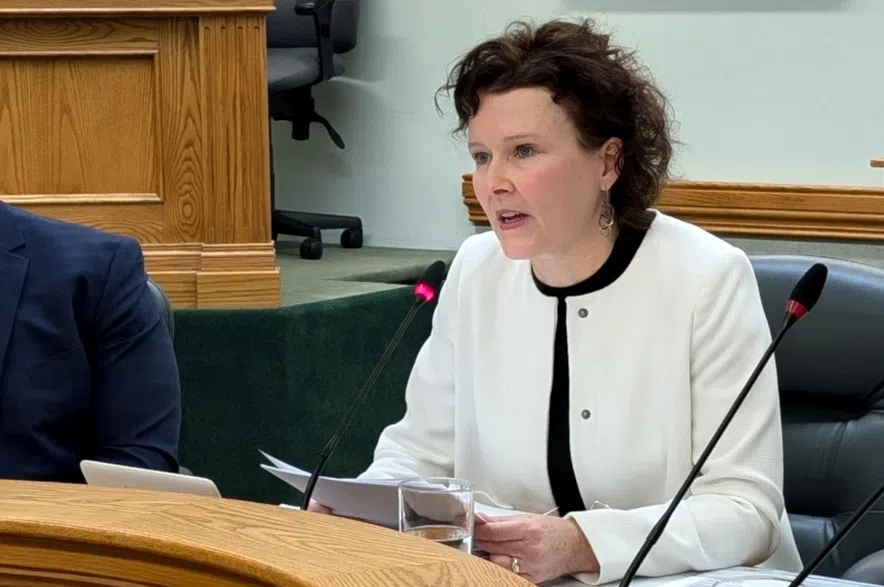
Saskatchewan provincial auditor Tara Clemett in December, 2024. (Lisa Schick/980 CJME)
The auditor’s report said based on the numbers, the province is at risk of not meeting the goal for child-care spaces by the end of March 2026.
Clemett said her office also found the province has been trying to increase the number of early childhood educators, but isn’t tracking it well enough.
“They’re not doing a good job of getting that data around. What is the extent of people who are pursuing that education and they’re actually graduating … you can create as many spaces as you want across the province, but if you don’t have early childhood educators to actually fulfill and support those spaces, that’s not going to work either,” explained Clemett.
The report also said the province needs to create and finalize a sustainable funding model for child-care providers, outlining how the ministry plans to fund the system going forward.
“Having a sustainable funding model and communicating it to child care providers would assist in fostering confidence in the long-term sustainability of accessible child care. It would also allow child care providers to plan for their future operating cost,” read the report.
The auditor gave Ontario and PEI’s models as examples – in PEI, the province takes the wage costs for child-care provider staff and adds 20 per cent for staff benefits and another 25 per cent for additional costs to fund full time staff.
On the positive side, the auditor’s report found the Ministry of Education did have adequate processes in place for other parts of the agreement, like approving new spaces and providing capital funding and other grants.