
Murray Wood: Is NDP Leader Carla Beck channeling Grant Devine?
No NDP leader would like being compared to the former Conservative premier, but Murray Wood says Carla Beck is calling f...
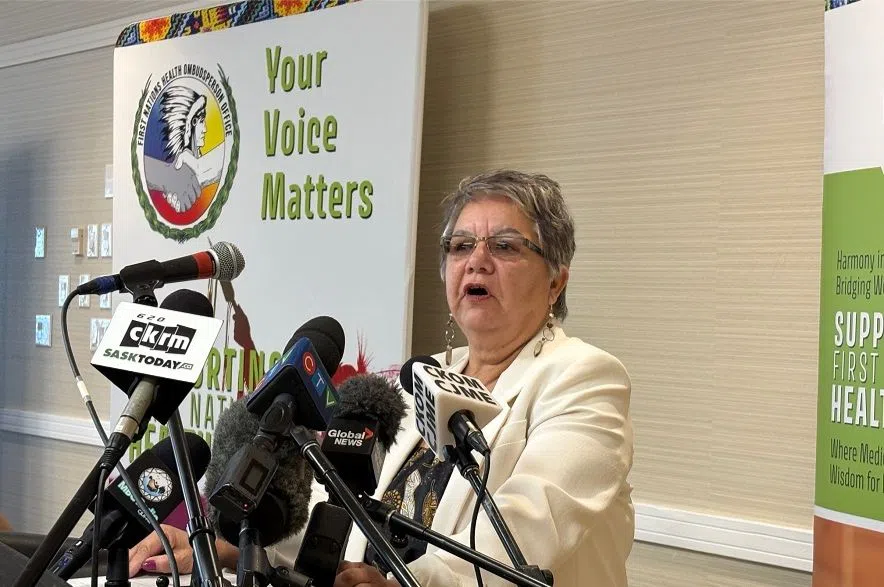
Some of the most common complaints Indigenous patients have in Saskatchewan’s health-care system relate to a lack of support in emergency rooms and hospitals, according to a report released by the First Nations Health Ombudsperson Office.
Established two years ago, the office works to review complaints and raise awareness about the needs and concerns of First Nations people. On Monday, the office released its inaugural report, examining data collected from July 1, 2023 to March 31, 2025. The report said 64 per cent of cases were related to the Saskatchewan Health Authority.
Read more:
The ombudsperson’s office said it has received approximately 500 complaints to date, and responses have ranged from an initial resolution to a thorough investigation.
The highest number of complaints came from the Prince Albert Grand Council, which includes many northern Indigenous communities.
First Nations health ombudsperson Dianne Lafond said 29 per cent of the cases handled by the office are complaints that relate to lack of emergency room care.
Lafond said these complaints come from various hospitals, such as Royal University Hospital and St. Paul’s Hospital in Saskatoon. She also noted that many complaints were connected to the rural hospital in Shellbrook, which has struggled with staffing issues and closures.
She said non-insured health benefit policies only cover travel to the nearest hospital, but for many communities, those hospitals are frequently closed.
“There’s a lot of barriers that we face as First Nations people and communities,” Lafond said.
Lafond said sick patients have occasionally spent up to 20 hours in waiting rooms, only to leave without receiving care.
“I believe those pressures are being felt by everyone, but for Indigenous people, they’re amplified,” Lafond said.
“From the stories that we’re told, it’s people that are laying on the floor because they can’t sit in a chair, and they’re asked if they’re intoxicated or on drugs because they have to lay on the floor.”
First Nations Health Ombudsperson Office chair Heather Bear said another emerging issue in First Nations health care is the misuse of non-disclosure agreements.
Bear said some individuals file complaints, but after their cases are resolved they can no longer speak about them because they have signed a non-disclosure agreement.
“It silences the victim,” she said.
“There’s still abuse going on in these institutions; mental, physical, emotional, sexual abuse,” Bear alleged. “Those kinds of things are still going on in the health institutions in Saskatchewan, and probably across the country.”
Lafond said First Nations voices should be included in the decision-making process around policies within the health care system. She said in some cases, First Nations patients felt that filing a complaint could risk their safety.
“There’s fear that if they go back to the same health-care system or the same hospital, they’re going to be turned away,” Lafond said.
Lafond pointed to the Indigenous hair-cutting policy implemented by the health authority earlier this year, which requires staff members to receive consent from Indigenous patients before their hair is cut.
“I didn’t agree with that,” she said. “The hair-cutting policy should have been for every human being, every person that entered the health-care system.”
Lafond said moving forward, collaborative work is being done between organizations.
“I feel that we’re moving along in a positive direction,” she said. “We need to continue on that road.”
The health authority said in a statement that perspectives from the ombudsperson’s office are welcomed, and it will continue to work toward a more accountable, culturally responsive and inclusive health system for all.
“We appreciate the work of the First Nations Health Ombudsperson. We will review their report and work with them to address their specific concerns,” the health authority said.
“We remain committed to advancing reconciliation in health care through respectful collaboration with First Nations leadership, communities, and partners — ensuring that Indigenous voices, knowledge, and experiences help shape the delivery of equitable and culturally safe care across Saskatchewan.”
650 CKOM reached out to the Saskatchewan Health Authority for additional comments regarding Bear’s allegations of abuse in health-care institutions in Saskatchewan, but the authority said it had nothing further to add to its original statement.
“Anyone who has concerns about their care experience is encouraged to contact a Client Concern Specialist,” the health authority noted. “Through this patient-centred service, SHA works with the patient and their family members through a respectful and confidential process to find out how we can help.”