Murray Wood: 'One of the worst' should be on hats and T-shirts in Canada
U.S. President Donald Trump called Canada "one of the worst" this week, saying that soon we will come to him t...
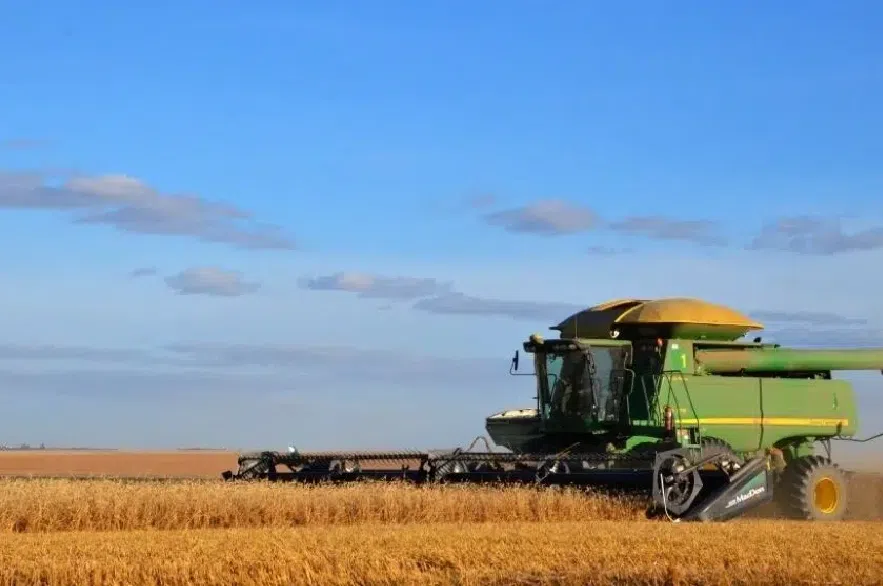
Producers are still hoping for rain to help with grain fill and pasture conditions, according to the provincial crop report.
As temperatures increase, crops are rapidly advancing even with a lack of moisture throughout the province in the first week of August.
Harvest is two percent completed within the province which aligns with the five and 10-year averages.
The report said four per cent has been done in the southwest region. “All other producers are preparing for harvest by getting equipment ready, cleaning out bins and hauling grain.”
Winter cereals and pulse crops are being actively harvested. Haying and silage operations are wrapping up.
Provincial harvested update:
“Dryland alfalfa yields are estimated to be 2.13 tonnes per acre, while greenfeed is estimated to be 2.63 tonnes per acre. Irrigated alfalfa yields are estimated to be 2.79 tonnes per acre, with greenfeed yield estimated at 3.34 tonnes per acre. Silage yields are estimated to be 5.67 tonnes per acre,” according to the crop report.
Read More:
Many areas recieved little to no rain with the highest rainfall in the Christopher Lake area at 42 millimetres, Foam Lake area at 36 millimetres, Marengo area at 32 millimetres and the Prince Albert area at 30 millimetres.
During the week of July 30, there continues to be a decline in topsoil moisture.
Canola producers are seeing sclerotinia stem rot emerging in their fields.
The main causes of crop damage in Saskatchewan are the lack of moisture, heat, wind, aphids and grasshoppers according to the province’s damage report.
As harvesting continues, producers are reminder to take safety and fire precaustions.
The Farm Stress Line is available toll free at 1-800-667-4442.