

Murray Wood: Who's hot... and who's not
Every Friday, Murray Wood takes a look back at the week's news and decides who's hot... and who's not. This week's list ...
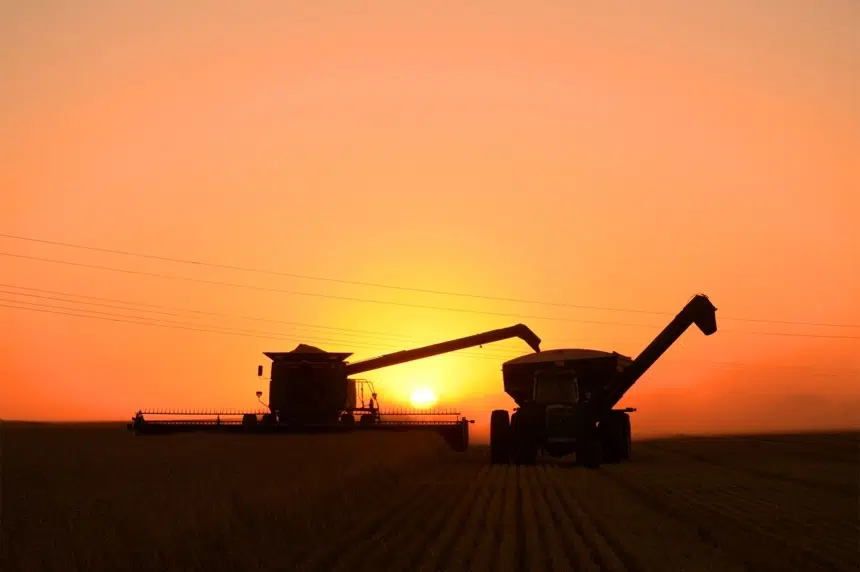
Harvest is continuing in the province, but that doesn’t mean there haven’t been challenges.
A later than usual start, coupled with less than ideal conditions, have plagued the province. This week more rain is expected, which could continue into the middle of the week.
Producer Jim Hale farms in between Leader and Cabri in the Southwest portion of the province, and he said he’s sitting at around 20 per cent complete so far this season. Hale said it’s been a rush the last few days with the impending precipitation.
“In the last four days, it seemed like everybody was pushing hard because we knew this rain was coming. The guys put in the extra hours.”
Hale said most pulse crops are off in his area and now they’re turning their attention to cereals. At this point last year, Hale said they were about “halfway done.”
They ended up with a later start than they have had in recent years.
“Usually, we get the start about the middle of August, maybe a little earlier. This year, there wasn’t a lot of action up until the last week in August.”
The dry growing season created a lighter crop. Hale said it is helping producers get through harvest quickly, but that’s “not really for the best reasons.”
Hale believes this week will be the longest delay they’ve seen so far this year, and it may end up downgrading the conditions of the crops.
In the northeast, producer Ian Boxall is also feeling the effects of the wet conditions.
He’s currently sitting at 15 per cent complete at his operation near Tisdale. He said this wet snap could be crippling for producers, especially those working with grain.
“When it gets to this time of year, all grain farmers want to do is get the crop off and in the bin in a timely manner, with good quality. Rain jeopardizes all of that.”
When it comes to the precipitation, one thing that’s often overlooked is the drying process. It becomes a sit and wait type of operation, Boxall said.
“If the sun and the wind comes out after it rains, the delay wont be that long. If it stays overcast … it can be longer.”
He said another tough side effect is heavy equipment coming through and putting ruts into their fields.
In the provinces latest crop report, Saskatchewan is now at 11 per cent in the bin. That’s down from the five year average (2014-18) of 28 per cent for this time of year.