
Sarah Mills: Winter, go away!
Not everyone is ready for the snowmobile, snowblower and temperatures falling below freezing. Some of us, Sarah Mills sa...
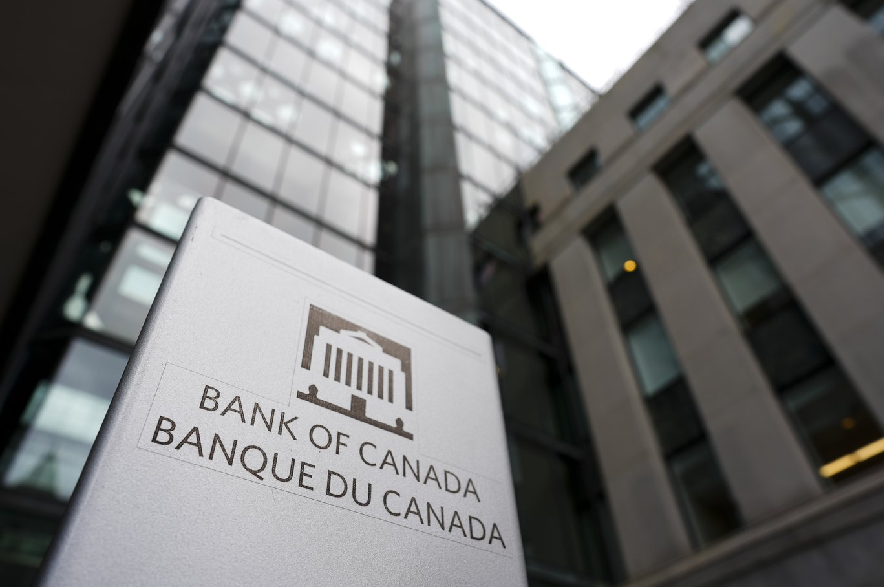
The Bank of Canada raised its benchmark interest rate for the first time in more than three years on Wednesday as it warned higher costs from the war in the Middle East are likely to spread.
The central bank’s policy rate now stands at 2.5 per cent following a quarter-point hike.
Read more:
That key rate, which influences the cost of borrowing for banks, businesses and consumers alike, had held steady for nearly a year following a series of cuts.
The Bank of Canada spent much of 2026 watching to see if higher global energy prices from war in the Middle East would spread to other parts of the consumer basket.
Inflation ticked up to 3.1 per cent in September — thanks again to high gas prices — with few signs inflation pressures were broadening.
But Bank of Canada governor Tiff Macklem said in prepared remarks Wednesday that global oil prices are staying higher for longer and cost pressures are building. Businesses that have been absorbing costs from the global energy shock are increasingly likely to pass more of those costs on to their customers.
Macklem said the central bank’s governing council is increasingly convinced that consumers could soon feel the pinch beyond the gas pumps.
“With the outlook for inflation substantially higher and the economy showing resilience, an increase in the policy rate is needed to reduce the risk that elevated energy prices could spill over and become generalized inflation,” he said.
The Bank of Canada now forecasts that annual inflation will hit 3.5 per cent by the end of this year. Inflation is expected to average three per cent next year — about a percentage point higher than its outlook published in July — before cooling to around its two per cent target by mid-2028.
The recent ramp-up in tariffs between Canada and the United States is expected to drop real gross domestic product to 0.8 per cent in the fourth quarter, but officials at the central bank generally see more resilience in the economy than first expected.
The Bank of Canada warned its projections are still subject to considerable uncertainty, particularly around the Middle East conflict and U.S. trade policy.
Macklem said the central bank will take its upcoming decisions “one meeting at a time” but also suggested future rate hikes are still in the cards.
“There could be a need to raise the policy rate further, but given the uncertainties, we will proceed carefully,” he said.
This report by The Canadian Press was first published Oct. 28, 2026.