

Sarah Mills: Alberta's referendum is Canada's wake-up call
Sarah Mills says Canada needs better collaboration between Ottawa and the provinces. She says what's good for Quebec sho...
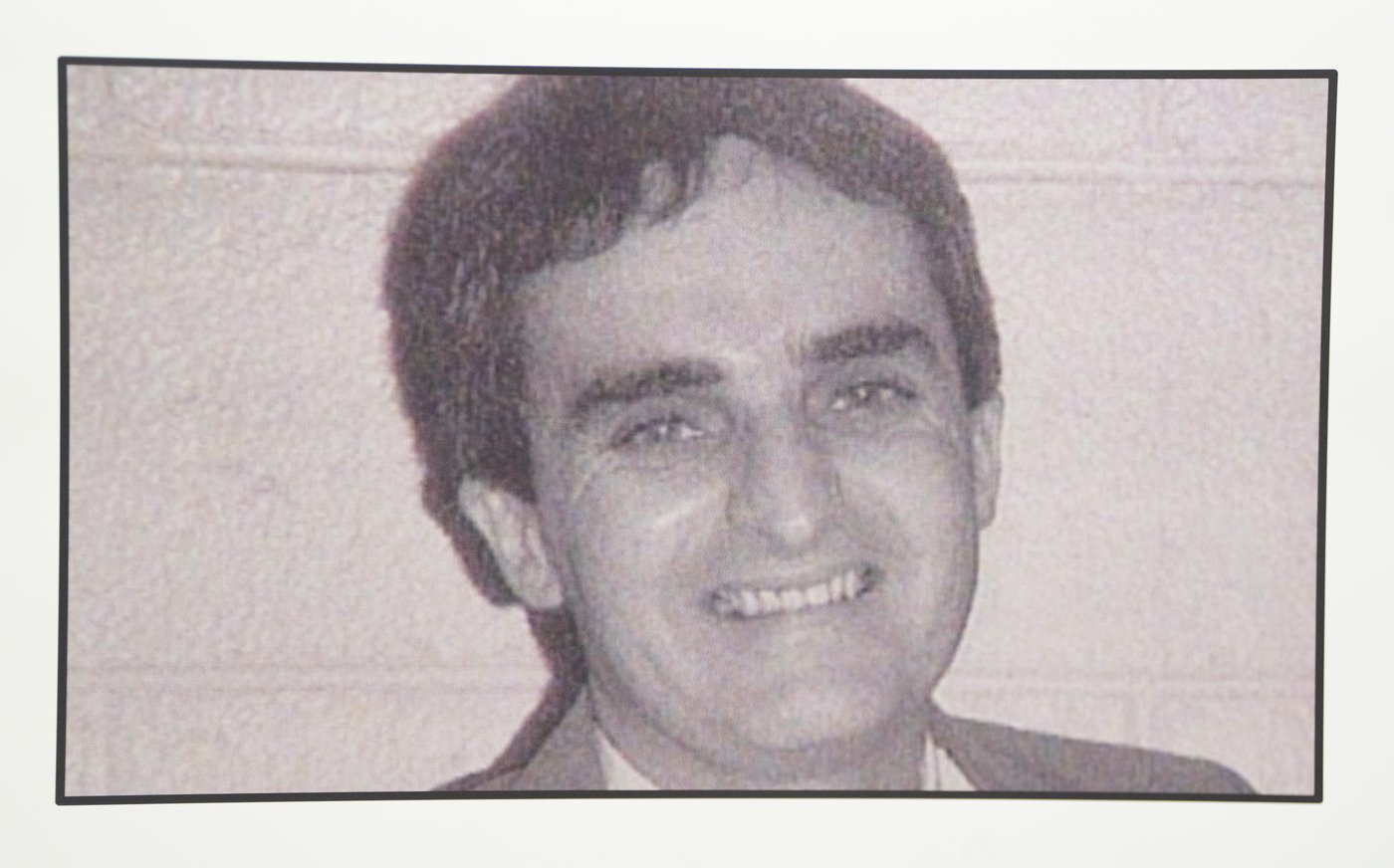
CHARLOTTETOWN — An upcoming review of a decades-old unsolved murder in Prince Edward Island could shed light what went wrong and led prosecutors to abandon the case, said provincial Justice Minister Bloyce Thompson in an interview on Wednesday.
Thompson made the comments after ordering the Charlottetown police force to appoint a third party to conduct the review of their murder investigation into the 1988 death of teacher Byron Carr.
Police arrested a suspect who was charged with first-degree murder in 2024, based on DNA analysis of evidence from the crime scene. But Crown prosecutors announced last week they were dropping the charges after police confirmed they were unable to locate some of the crucial evidence, including a knife that would have been used as an exhibit in court.
Thompson says he knows many people have questions about how this could have happened.
“I believe that we can get a few of those answers,” he told The Canadian Press in an interview on Wednesday. “What went wrong and why this evidence is gone is key for the community to find out and the family to find out.”
Thompson said the review will be launched as soon as possible.
“This was a very public, very significant cold case that people had high hopes for,” Thompson said. “And there’s a lot of questions on what happened to the evidence … and where it went.”
Carr was 36 when he was strangled and stabbed in his Charlottetown home by someone who left a handwritten note on a wall that read, “I will kill again.”
Police charged Todd Joseph Gallant with first-degree murder and interfering with human remains in 2024 following an investigation into Carr’s death.
The allegations against Gallant were not tested in court. Gallant had pleaded not guilty to the two charges and a jury trial was scheduled for next month. His lawyers declined to comment on the matter.
Thompson has directed the Office of the Police Commissioner to appoint a third party to conduct the review.
A spokesperson for P.E.I.’s Department of Justice and Public Safety said that police conduct falls within the province’s Police Act which says the police commissioner should appoint an investigator not the justice minister.
Thompson described the murder as the most significant cold case in Prince Edward Island history and said he was disappointed by how it turned out.
He said the review would span the entire murder investigation from 1988 until 2026 and will involve speaking with current and former members of Charlottetown’s police force.
“We need to find out as many answers as we can,” he said. “I know it’s not going to help the family of Byron Carr, but if we can prevent this from happening again, that’s important.”
A statement from Darren MacDougall, Charlottetown’s interim police chief, said the force welcomes the independent review and will co-operate fully with the process.
“We recognize the importance of public trust and must ensure that safeguards are in place, so this doesn’t happen again,” it said.
MacDougall said in an interview last week that a knife collected as evidence in 1988 as well as a towel believed to have been used to strangle Carr are among the pieces of evidence that remain unaccounted for.
He blamed a lack of consistent “property management systems” for the missing evidence.
“In 1988, we didn’t have an inventory or ledger … to rely on,” he said.
Officers were aware in 2007 that some evidence collected between 1988 and 1999 was missing, MacDougall said. However, he said police believed a suspect could still be identified because of advancements in DNA techniques and forensics.
It was after Gallant’s arrest, MacDougall said, that Charlottetown police tried to trace the whereabouts of the unaccounted evidence, but that proved challenging almost 40 years later.
Police arrested Joseph Gallant of Souris, P.E.I. after using advanced DNA and genetic genealogy technology to test DNA evidence from underwear found at the crime scene.
Investigators have said evidence at the scene indicated Carr was killed following a sexual encounter with another man.
Former Charlottetown police chief Brad MacConnell told reporters in 2024 that Carr kept his sexuality a secret and that his death occurred at a time when the LGBTQ+ community “did not feel welcome or accepted, forcing many like Byron to socialize in the shadows and take unnecessary risks.”
The former chief also said the note left at the scene suggested the crime may have been hate-motivated.
This report by The Canadian Press was first published Oct. 21, 2026.
— By Tori Fitzpatrick in Halifax.
The Canadian Press