The parallels between parenting and péquistes
Murray Wood says a child's obstreperousness and separatism are analogous.
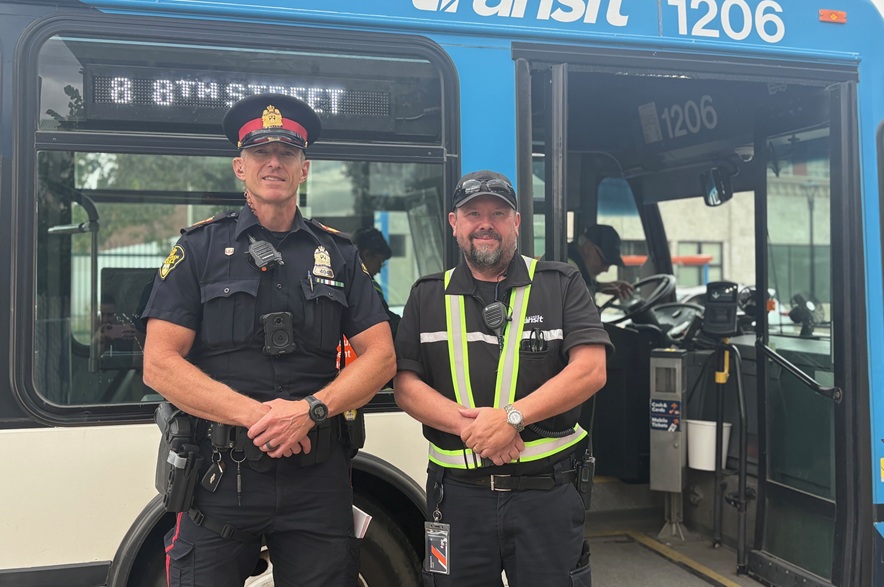
One month after Saskatoon police began enforcing the city’s new transit bylaw, officers say it is making a difference after years of safety concerns involving public intoxication, bear spray incidents and violence on buses.
Under the new bylaw, fare payment is mandatory for those boarding a bus, and failing to produce a valid ticket or fare is considered an offence.
Read more:
Clear rules have also been established for transit users, including wearing footwear, behaving in an orderly and respectful manner and prohibiting sleeping on buses or in bus shelters.
Officers can also deny boarding to anyone engaging in “unacceptable behaviour” and ban offenders on either a short- or long-term basis. Offenders may also face fines of up to $50.
Sgt. Ken Kane with the Saskatoon Police Service said so far enforcement has gone “really well” for officers and transit staff.
“Day one, we probably educated and refused entry to about 100 people, and by that Friday, we probably refused 10 to 20,” Kane said.
He also noted that since police began enforcing the bylaw, there have been fewer negative interactions, and police have also seen a drop in calls involving public intoxication and more serious incidents on buses.
Kane said enforcement doesn’t automatically mean a ticket or removal from the bus.
He said officers use discretion when dealing with riders who don’t have a valid fare, particularly those who may be vulnerable or unable to afford a pass.
“I would say (it’s) 90 per cent connection, 10 per cent enforcement,” Kane said.
Individuals may be directed to the transit office, fire community support officers or the Ministry of Social Services. From there, individuals can receive help accessing or purchasing a bus pass.
Kane said “compassion” and “common sense” are built into the bylaw.
“It’s designed to go after the behaviours that are causing people to feel unsafe on transit.”
Kane said the goal is to reduce incidents involving transit operators and make sure passengers have a safe way to get around the city.
A typical day for Kane and Saskatoon Transit operations superintendent Jason Wiebe starts at the downtown bus terminal. Kane said statistically downtown is where the most calls for service occur.
Police work with transit staff, who use a card reader to confirm whether riders have a valid pass. Transit staff will also ride the bus with police following on multiple routes including the west and east sides of the city and the Confederation terminal.
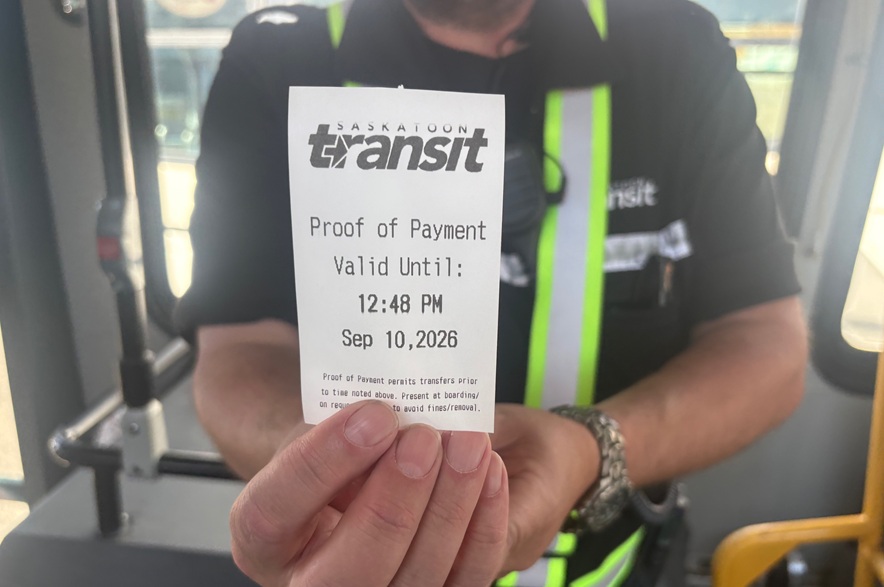
Transit riders are required to have a valid pass under the new bylaw. (Mia Holowaychuk/650 CKOM)
Kane said it was important to ensure individuals were given a reasonable opportunity to educate themselves on the new bylaw.
“We have to allow every demographic to understand that the rules have changed.”
“Transit is a fee-for-service, and there are ways that you can get a discounted bus pass to be able to lawfully ride, but the rules are there.”
Wiebe said he has worked in transit for 20 years and the challenges operators face today look much different than when he started.
Nearly three decades ago, he said incidents involving disruptive or unsafe behaviour were relatively rare.
“Time has changed, society has changed, and our transit has changed,” he said.
He noted that he has received positive feedback already since the new bylaw has been enforced on transit.
“The public’s been really, really proactive and really happy about what’s been going on,” Wiebe said.
Darlene Payne was riding the bus down 20th Street and said she welcomes the enforcement.
“There was drugs here, there was sleeping on the bus…and it was unsafe,” she said.
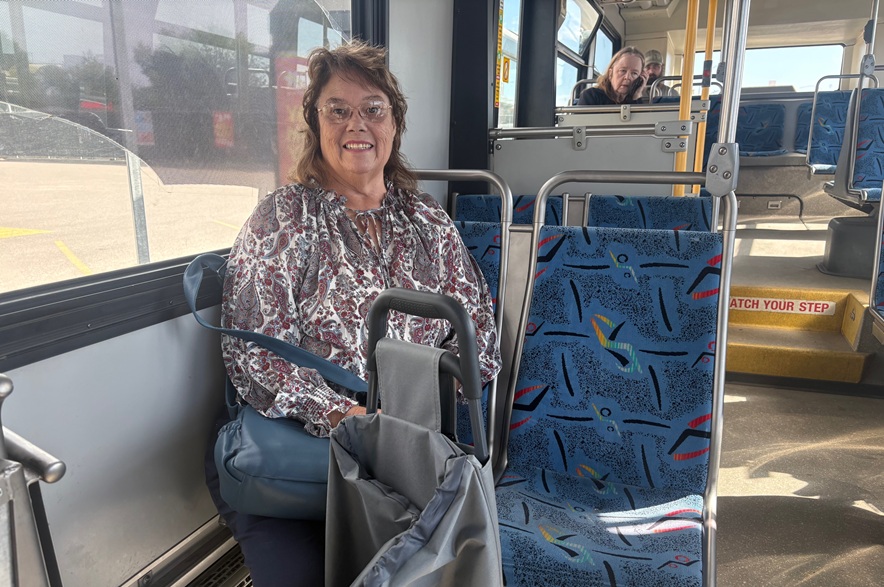
Bus rider Darlene Payne welcomed the new enforcement measures. (Mia Holowaychuk/650 CKOM)
“I’m glad because I’m a senior, and I need the transit,” she said.
Saskatoon’s transit bylaw came into effect on Sept. 1.