

Murray Wood: 'One of the worst' should be on hats and T-shirts in Canada
U.S. President Donald Trump called Canada "one of the worst" this week, saying that soon we will come to him t...
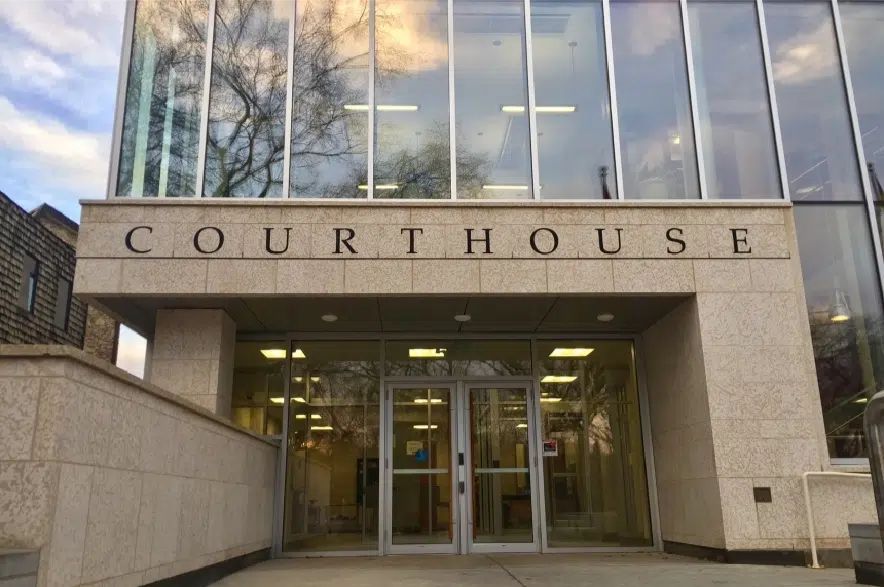
Saskatchewan is updating its laws around defamation in an effort to bring them in line with the digital age.
The changes to The Defamation Act took effect on Thursday. The provincial government said the updates modernize and simplify the laws in order to better reflect the modern media landscape and ensure the legislation properly addresses online and digital communications.
Read more:
The government said the new act replaces the Libel and Slander Act, which had been on the books since 1909.
The new act removes wording that refers specifically to newspapers, meaning defamation laws apply evenly across all publishers. It also authorizes courts to issue take-down and de-indexing orders “where harmful online content continues to circulate after its initial publication,” and establishes a single cause of action that applies to initial publication and republications by the same publisher.
The updates follow “extensive consultation” with the Law Reform Commission of Saskatchewan, held in March of 2024, the province said.
“The Defamation Act provides Saskatchewan with a modern legal framework that is better suited to today’s communications environment,” Michael Milani, the commission’s chairman, said in a statement.
“The Act implements key recommendations aimed at protecting reputational rights, promoting clarity and fairness, and ensuring Saskatchewan’s defamation laws remain effective and relevant in the digital age.”
The updated law will also make life easier for newspapers in the province by decommissioning the register of newspapers. That means papers will no longer be required to make filings with the Registrar of Corporations, ensuring all media outlets are treated equally under the province’s legislation.