
Murray Wood: Who's hot... and who's not
Every Friday, Murray Wood takes a look back at the week's news and decides who's hot... and who's not. This week's list ...
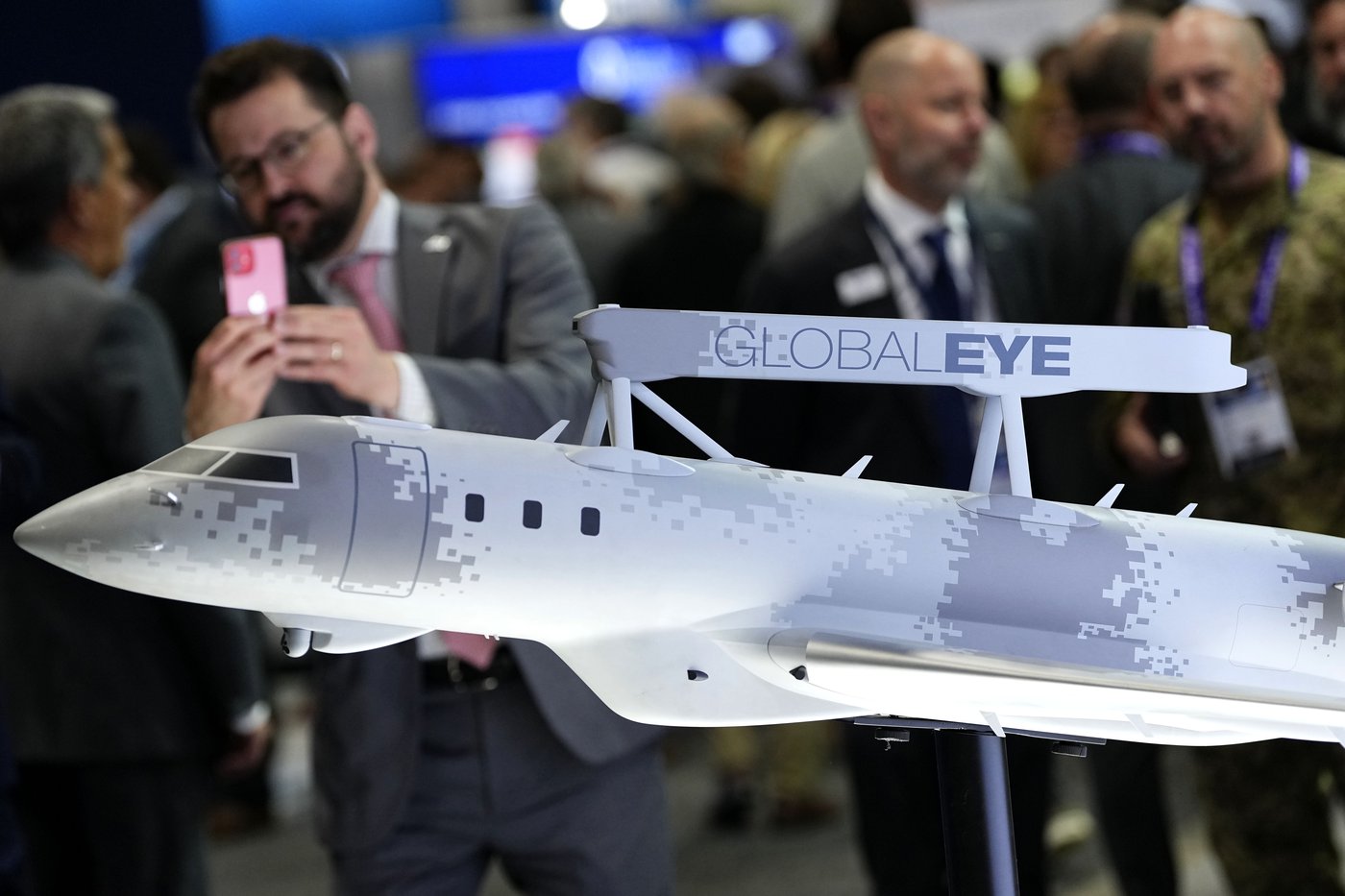
OTTAWA — The Liberal government has taken another step forward in talks with the Swedish defence company Saab as it considers acquiring its advanced radar planes for the Royal Canadian Air Force.
Ottawa and Saab agreed on a non-binding term sheet that supports more detailed negotiations on a fleet of GlobalEye aircraft.
Prime Minister Mark Carney announced at the CANSEC defence expo in May that Canada had selected Saab as a preferred supplier for airborne early warning and control planes.
While Ottawa has made no binding commitment to purchase the platform, it has indicated a strong intention to reach a deal.
The aircraft is made in partnership with Canadian firm Bombardier using its Global 6500 business jet as the foundation. The aircraft is built in the Toronto area, then sent to Sweden to be stripped down and rebuilt with the surveillance components.
Carney has said that if Canada agrees to purchase the planes from Saab, they would be militarized in Canada.
The government wants to acquire six radar aircraft to detect threats at long range in the air, sea and on land, and to serve as flying command-and-control centres.
The procurement project has an expected funding envelope of more than $5 billion and would require new infrastructure, such as hangers and logistics facilities.
When Carney named Saab as a preferred supplier for the platform this spring, the sudden announcement took the industry by surprise. It also passed over American companies that wanted to bid on the contract.
Boeing makes the E-7 Wedgetail, while L3Harris is selling the Aeris X. The latter platform would also use the same Bombardier airframe as Saab’s GlobalEye.
The move to quickly select Saab as a preferred bidder has set the Liberal government on course for a political showdown over whether it’s buying what the military wants and needs.
The federal Conservatives have written to the auditor general and parliamentary budget officer calling on them to investigate whether the government followed all the proper processes in selecting the platform.
The new term sheet is not public but the federal government said it reflects months of negotiations with Saab and lays out how the company can meet the government’s requirements, including industrial participation and a delivery schedule.
Saab CEO Micael Johansson said in a news release this latest agreement “establishes a clear framework for the next phase” of talks, and that his firm will demonstrate how its “proven and highly capable (airborne early warning and control) solution can meet Canada’s requirements.”
Carney’s government still has not made a decision on its planned acquisition of 88 F-35 stealth fighter jets, or whether it will move to purchase a mixed fleet of fighters that includes Gripen jets made by Saab.
Ottawa’s decision to move ahead on the radar planes is not expected to give any indication of where it’s headed with its review of the F-35 purchase.
That review, which was launched in response to diplomatic and trade tensions with the Trump administration, was supposed to have concluded a year ago.
This report by The Canadian Press was first published Sept. 25, 2026.
Kyle Duggan, The Canadian Press