Evan Bray: Fall is the my pick of the seasons
It isn't quite fall yet - the season officially changes next week - but Evan Bray says fall is his favourite season, wit...
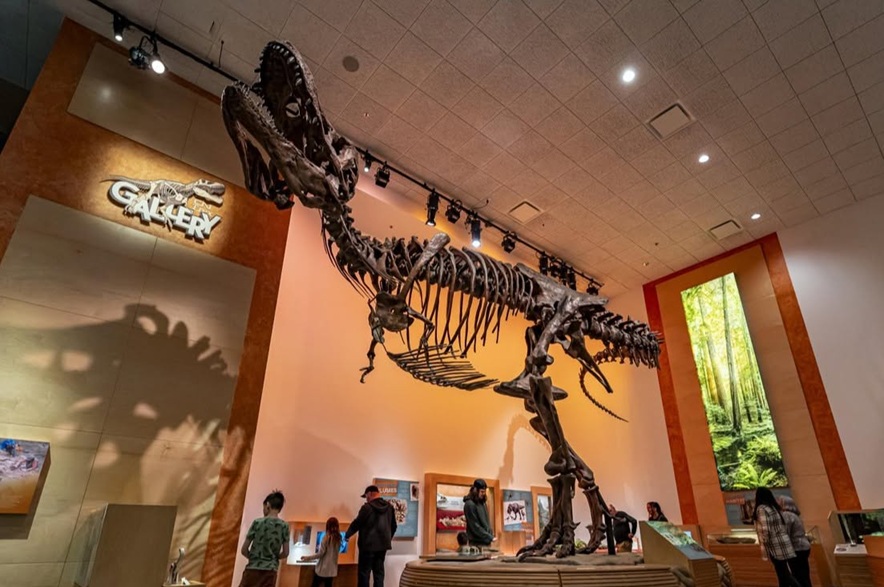
Some new research is shining a light on the importance of Saskatchewan’s heritage sector.
In 2024 alone, Saskatchewan’s cultural heritage sector contributed more than $73 million to the province’s GDP.
Read more:
Emma Morris, the executive director of the Museums Association of Saskatchewan, explained how the heritage sector is an economic driver.
“This is some research that we conducted last year, and it was really just to prove what those of us who’ve worked in the sector for years already knew, which is that cultural heritage, and not just museums, but curling bonspiels and the Roughriders and the nature trails and camping and all of that, is why people come to Saskatchewan. It’s what we do here, but it’s also one of the big reasons that people come as tourists to our province. So we just needed to put what we knew into hard data that we could actually prove that it makes money,” she said.
Many of Saskatchewan’s museums operate under a member-based organization. There are more than 250 members.
While the research shone a light on the value of heritage, Morris said it has also become a double-edged sword when it comes to investment.
“It proved that our sector is incredibly resilient. We’ve been doing so much with so little for generations, and a lot of the reason that specifically museums were created in the ’60s was because, you know, money was falling from the sky for the anniversary for the centennial of our country, and in a lot of cases there hasn’t been any investment since, and they’ve been completely run on the backs of volunteers,” Morris said.
“And volunteerism is changing, as we know, demographics are shifting, and young people certainly do care about cultural heritage, but they’re showing it in a very different way. They can’t volunteer eight hours a day, five days a week, the way that their grandmothers did.”
When it comes to the importance of heritage and which communities are its most avid defenders, Ingrid Cazakoff, CEO of Heritage Saskatchewan, said there are some communities that come to mind.
“We often hear of some of the more evident ones, the community of Wolseley, for example, that a number of years ago participated through a Main Street program and really revitalized their region. Maple Creek is another one, for example, but there are multiple examples across the province of small communities and larger communities, urban centres, that are doing great work when it comes to cultural heritage,” she said.
“It also extends to Indigenous communities that are doing fantastic work in knowledge transmission, in language retention, in all of those critical things that help all of us within our communities create a sense of belonging and well-being within our communities, which is really at the heart and the core of cultural heritage,” said Cazakoff.