
Sarah Mills: Public entities need to be more transparent
Sarah Mills says a single coroner choosing not to release the toxicology report in the case of Saskatchewan Roughrider J...

Brad Wall says some tactics should stay off-limits in Canada’s trade war against the U.S.
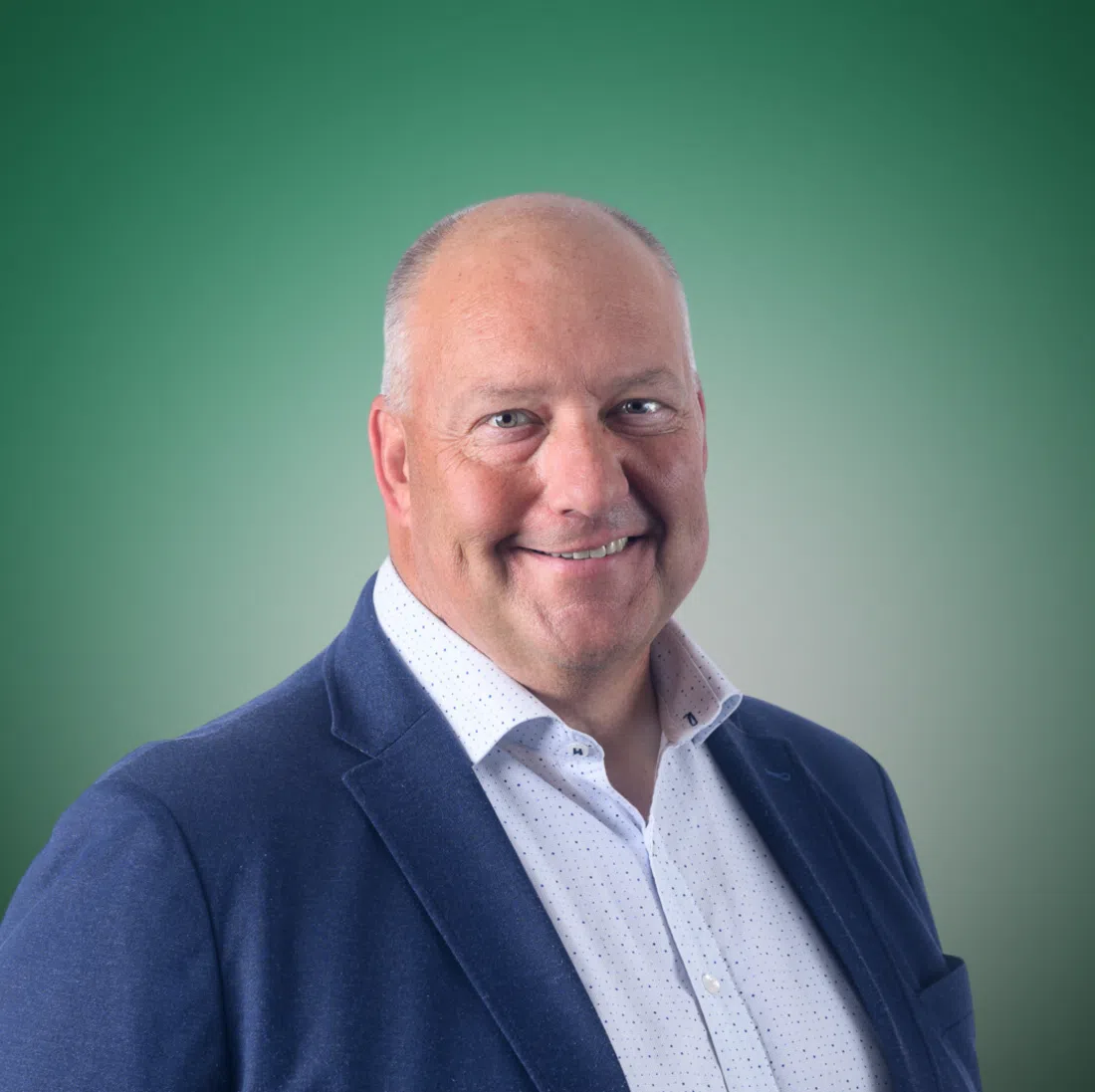
The former Saskatchewan premier joined The Evan Bray Show on Tuesday to discuss Canada’s strategy in the ongoing trade dispute and the ideas being floated by leaders on both sides of the country.
Read more:
According to Wall, oil and potash shouldn’t be used as leverage, because counter tariffs on those products would sting more than just the United States.
This interview has been edited for length and clarity.
EVAN BRAY: You’ve got a unique perspective that a lot of us don’t, because you’ve navigated what I’ll call the “Team Canada” approach on various issues. This trade war is unique, but does this remind you of anything from your time as premier?
BRAD WALL: It does. I mean, in terms of scale or intensity, no, nothing like this that I was ever a part of. Obviously we’re into a full-blown tariff fight now, with counter-tariffs coming from Canada, and I guess my frustration, Evan, and I wrote about it on Facebook, was hearing Premier (Doug) Ford and others in central Canada, and some in western Canada actually, including, I think (Naheed) Nenshi in Alberta, the NDP leader, saying that western Canadian oil, for example, and potash should be the target of our own tariffs. We should tariff it, that we might want to levy an export tax. There’s some basic facts here that I think were misunderstood. Some of the talking points we’ve heard to and fro in this trade war have been attractive to engage in, but they’re sometimes free of facts. For example, all of the western Canadian oil that Ontario does get comes through a pipeline that goes first into the United States. So if we listen to Doug Ford and we tariffed it, I guess at 50 per cent, it’s sort of like shooting yourself in the foot if you’re the Ontario premier, because you’ve just increased the price of your own oil that’s coming through that pipeline out of the U.S.
And similarly for potash, because of a policy at the Port of Vancouver and regulatory difficulties in the last little while, we’ve seen more Saskatchewan potash go out through Portland on the U.S. side, up to 20 percent, and that number has been growing and could well grow in the future. So it’s the same argument for potash. The potash that leaves Saskatchewan and goes out of that Port of Portland is going to non-U.S. countries. But once it dips down into the U.S., any export tax or perhaps countermeasure by the U.S. would increase our price of our potash to those non-U.S. countries, which is something we don’t want to do. We want to be competitive. And it would do so in an artificial way. So it’s a longer story. Look how long it’s taken me to explain it. But sometimes, you’ve got to share the facts in these sort of layup comments that you get from people like Doug Ford that aren’t that thoughtful and, frankly, would hurt the country more than they would help, even if you didn’t have all these other complicating factors at play.
It’s telling that U.S. President Donald Trump hasn’t targeted potash and oil. There’s a reason for that, because they need it. So the question often becomes, Brad, how do we use it to our advantage? What should we be doing?
WALL: Well, in potash, we’ve got customers in the United States who are farmers, principally, who use Saskatchewan potash in their fertilizer program. And on the oil side, of course, we have partners. Most of the value add to the oil that Canada sends to the U.S. happens, obviously, on the U.S. side of the border, creates jobs on the U.S. side of the border. So back to what we tried to do in 2016, I think it’s really important for us to leverage relationships, not threaten taxes, not threaten tariffs, but to continue to leverage relationships at all levels. The federal government better be doing that, certainly, but provincial governments should have been building their own network in the United States. Premiers should have been doing that. I know Premier (Scott) Moe certainly has. I think Premier Moe was really influential in getting (U.S. trade representative Jamieson) Greer and (International Trade Minister Dominic) LeBlanc to start talking again here. Unfortunately, it led us to this point, so I just think there is the opportunity for us to use relationships we have in Canada and encourage those folks that we know in the States who agree with the notion that the trade relationship between our two countries is too important to let it fail, that they would then lobby their own senators and congressional delegations, and even the White House, should they have contacts into the administration. It’s a slow process sometimes, but that relationship building is the best leverage.
A partnership was announced between the United States and Venezuela. That will yield, it appears, a lot of oil for the United States. Does that change anything for Canada’s energy strategy?
WALL: It should be on the radar of our oil and gas industry. It’s a very heavy oil. The oil sands might be the sector in Canada that would be wanting to pay closest attention to, but we should always be paying careful attention to a relationship, taking nothing for granted. And comments like we had from Premier Ford last week from are precisely the opposite of that, of being intentional about the relationship and realizing that at any given time, with some global event, a natural advantage we thought we had and maybe had grown complacent about is gone, or at least threatened over the long term. And I think in Venezuela you’re looking at a number of years before any meaningful displacement of, say, oil, including from Canada, can happen. But still, it should have everyone’s attention, and there’s always consequences to these trade wars, especially when we choose to escalate with rhetoric that’s ill-informed on our side and their side instead of getting back to the table. And I want to credit Premier (Danielle) Smith in Alberta and our Premier Moe in Saskatchewan, who’ve taken the temperature down on this stuff, and said “No, we’re not going to counter-tariff potash, and we’re not going to counter-tariff oil. And by the way, let’s get back to the table.” News over the last 48 hours, it looks like it was Ontario and Premier Ford that caused the final walkaway by Canada in the deal, and it was over auto tariffs. If that’s the case, then let’s get back to the table and hammer something out. We might never get back zero tariffs on vehicles. We just might not, but we might get to something where Canada feels comfortable, can compete, and we have a deal across all sectors of the economy, not just cars and light trucks.
I’ve had (AGT Foods CEO) Murad Al-Katib on the show talking about China as an important partner, whether we like it or not, and so we have to cautiously forge those types of relationships. Can you talk about how you approached issues delicate like that as premier, and how important China, for example, is for Saskatchewan?
WALL: You’ve got to listen carefully to your most important and largest trading partner when they’re talking about concerns around China, and obviously that’s the U.S. And whether it’s Trump in a blunt way, maybe not always that effective, or (Secretary of the Treasury Scott) Bessent or some of his more, I would say, thoughtful cabinet members and leaders in the administration, there’s two areas of concern. They’re concerned about China using trade deals that United States has with other countries to locate manufacturing in those counter-party countries like Canada, and then get that Chinese manufacturing into the U.S. market under the aegis of a trade agreement that they otherwise don’t have bilaterally with the U.S. So the Americans are guarded about that. I’m not sure if this is a this is a huge concern or it’s more a talking point, but again, you’ve got to listen. That’s what they’re saying. Secondly, it’s around defense and strategic sectors and AI. They’re really concerned about China in those areas. China is a very important trading partner for Saskatchewan. They buy a lot of agriculture products, and so we’ve got to be a bit careful in this and understand that that part of the relationship is really important. And we must continue. We’d like to try to sell more, frankly, I would hope. However, these other parts of the trade equation, be they the strategic or defense industries, be they critical minerals, or be they manufacturing located here from China to try to access the benefits of trade with the U.S., well, we can do both of those things. We can be promoting potash and energy and agriculture sales to any country in the world, and also be mindful of what’s happening in these other sectors that might be an irritant, not just to the U.S. but to other really important trading partners.
Read more: