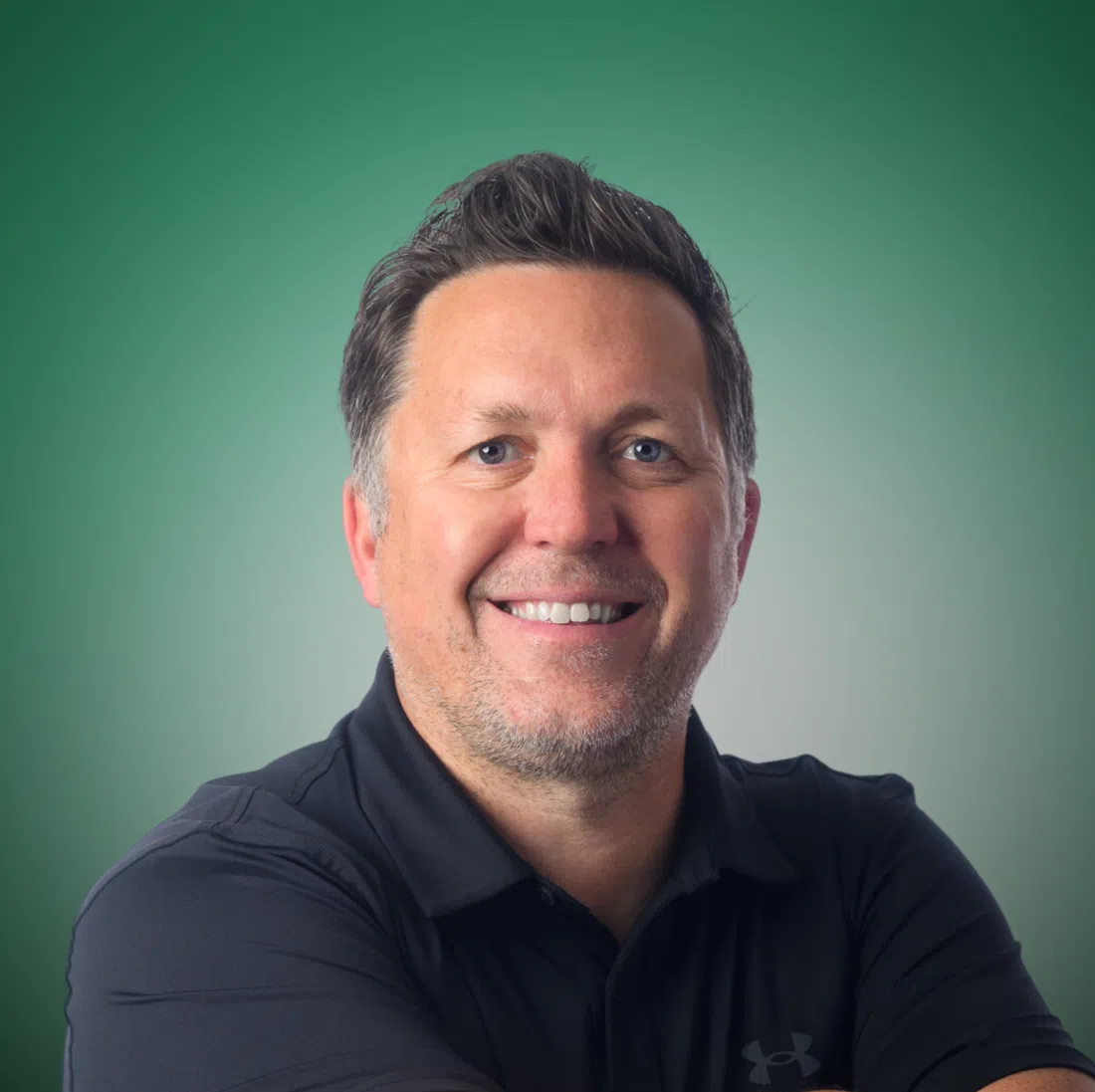

Murray Wood: Local radio is strong. Corporate ownership, not so much
Murray Wood says Rogers closed some stations that should be very viable. As a result, more communities are losing import...

JEDDAH — Prime Minister Mark Carney met with Crown Prince Mohammed bin Salman in Saudi Arabia on Thursday, as he seeks to deepen bilateral trade and investment after years of diplomatic strain.
Carney’s trip — the first to the country by a Canadian prime minister in 26 years — also saw him meet with business leaders in Jeddah, a port city on the Red Sea.
“The private sector has kept the relationship alive — the commercial relationship alive. But we’ve barely scratched the potential of the relationship, and today is part of the next phase of building up,” Carney said Thursday at a signing ceremony at the Saudi Arabia-Canada Investment Forum.
Jeff Steiner, chair of the Canada-Saudi Arabia Business Council, told reporters in Jeddah that Carney’s visit to the kingdom is a “high-water mark” for relations between the two countries.
Canada has been working to mend bilateral ties following a diplomatic row in 2018 that resulted in the removal of ambassadors in both countries.
The government of former prime minister Justin Trudeau had sharply criticized the kingdom’s justice system and treatment of women, resulting in Saudi Arabia shuttering trade talks. Ambassadors were only restored in 2023.
“We’re moving from reconciliation to seeing what opportunities there are when trust has been rebuilt, to build on that trust and to kind of grow prosperity and opportunities for both Canadians and for Saudis,” Steiner said.
He said most Canadians only think of oil when they think about Saudi Arabia, but there are now many opportunities for Canadians in areas such as health care, energy, tourism and education.
Steiner pointed to mining and critical minerals in particular, noting Saudi Arabia has embarked on “making mining their second pillar.”
Carney took part Thursday in a signing ceremony between multiple Saudi and Canadian corporations and institutions, including Canadian engineering firms Hatch and AtkinsRéalis, formerly known as SNC-Lavalin.
Saudi state-owned agency Al-Arabiya reports more than a dozen agreements and memorandums of agreement signed Thursday amount to $1 billion, most likely in U.S. dollars, though Carney’s office has not yet confirmed that amount.
Before the various agreements were signed, Carney gave remarks alongside Saudi Investment Minister Fahad Al-Saif.
Al-Saif said his country is open for long-term investment and said Canada can share expertise in infrastructure, aviation and mining critical minerals.
“Canada offers capital, technology and (a) trusted long term partner,” Al-Saif said. “For Canada, Saudi long-term investors bring patient capital, anchored by (a) competitive national policy framework.”
Carney praised Saudi Arabia’s 2030 economic growth plan and drew parallels with Canada’s efforts to diversify trade and expand infrastructure and defence projects.
“When the world throws you a crisis — which it will — when it throws you an economic problem, when it throws you a geopolitical challenge, you keep focused on your long-term plan,” he said.
“The private sector has kept the relationship alive — the commercial relationship alive. But we’ve barely scratched the potential of the relationship, and today is part of the next phase of building up.”
He said a delegation of Canadian pension funds will be returning to Saudi Arabia “in a few months” to seek out opportunities in the kingdom, on top of recent ministerial visits to the kingdom.
He also praised Saudi Arabia’s rising influence in culture, sport and video games.
“The world is seeing this pillar of vibrant society, where the kingdom’s becoming a nexus of global commerce, culture, and creativity,” Carney said.
The prime minister’s meetings Thursday included Saudi Aramco CEO Amin Nasser, Industry and Mineral Resources Minister Bandar al Khorayef, and Bob Wilt, the head of Saudi state-owned mining company Ma’aden.
The Canadian delegation travelling with Carney includes Finance Minister François-Philippe Champagne, Defence Minister David McGuinty, Defence Investment Agency CEO Doug Guzman and Liberal MP Sameer Zuberi.
Steiner said he knows that Champagne is working on resolving issues around double taxation between the two countries and foreign-investment protection.
“Those frictions coming down are just as important as the interest of investors in business to come to the different markets. If it’s too difficult, they’ll go elsewhere.”
Carney is nearing the end of his week-long trip in the Middle East. He arrived in Jeddah on Wednesday night fresh from a NATO summit held in Ankara, Turkey.
This report by The Canadian Press was first published July 9, 2026.
— With files from Dylan Robertson in Ottawa
Kyle Duggan, The Canadian Press