

Murray Wood: 'One of the worst' should be on hats and T-shirts in Canada
U.S. President Donald Trump called Canada "one of the worst" this week, saying that soon we will come to him t...
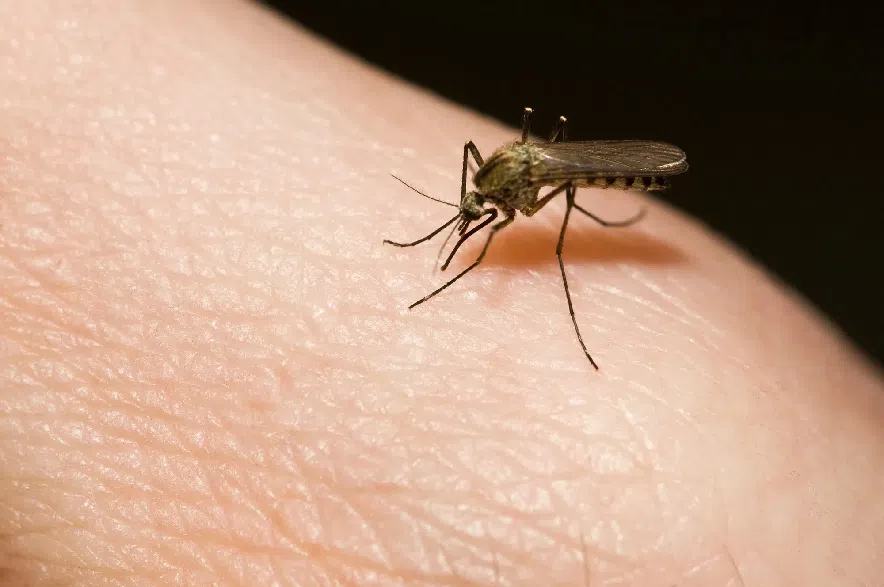
Mosquito season is running a little later than usual thanks to a slower start to spring but as things start to warm up, Saskatoon residents could end up with more bug bites.
Georgiana Antochi-Crihan, entomologist for the City of Saskatoon, said the weather had influenced the city’s current lack of mosquitoes.
Read more:
“Mosquitoes are not currently where we would expect them to be for this time of year, they’re a little bit below average,” she said.
“Temperature acts as a growth regulator for mosquitoes. Think of it like putting fruit in your fridge. If you have your apples on the counter, they’re going to ripen a lot faster than they would within your fridge. Mosquitoes are kind of the same way,” she said.
“So the cold snap and the amount of snow we just had really acted a little bit more as a minor inconvenience, as mosquitoes and most insects have variable cold tolerance throughout the year.
“When we just come out of winter, they have more antifreeze compounds within their bodies, and they’re able to withstand such weather events, as opposed to a mosquito in the middle of July. For that mosquito, there’s not really a big threat of snow happening, so it’s allocated all of those resources to something a bit more important, like egg production,” said Antochi-Crihan.
While we may be seeing below average numbers of mosquitoes right now, that doesn’t mean that will be the case for the rest of the summer.
Antochi-Crihan said with temperatures already rising across the Prairies, mosquito populations really only need one other ingredient to come back in force.
“The important thing to remember about mosquito biology is that their life cycle is very dependent on environmental conditions and that means two things: rainfall and temperature,” she said.
“If we get lots of rainfall, that means there’s going to be more habitat, and we’re going to have more mosquitoes as they have more sites to lay their eggs in and develop.”
For those looking to protect their next campfire or barbecue from the insects, Antochi-Crihan had a few tips.
“The best way to manage mosquitoes in your home is to prevent their habitat, so that means regularly changing out any standing water you might have. That means changing out the water in the drip trays under your flower pots, or a dog bowl, or a bird bath, but also if you’ve got a rain barrel, something that you wouldn’t want to dump out, consider screening it or treating it for mosquitoes,” she said.
“At the City of Saskatoon, we treat mosquitoes with a product called Bacillus thuringiensis Israelensis, or BTI for short, which is a biological control agent that’s a bacteria that disrupts the mosquitoes available to feed.
“This is also known as mosquito dunks on the market and would also be good as a treatment for the rain barrels. It’s non-toxic and used worldwide in programs to prevent malaria and other mosquito-borne illnesses,” said Antochi-Crihan.
Read more: