

Murray Wood: Who's hot... and who's not
Every Friday, Murray Wood takes a look back at the week's news and decides who's hot... and who's not. This week's list ...
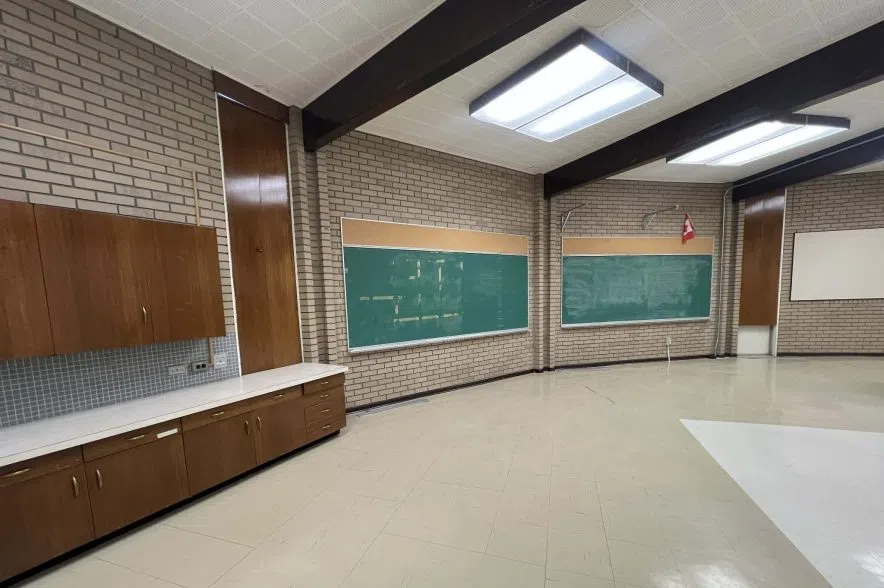
The Prairie Valley School Division is one of the many in rural Saskatchewan experiencing a shortage of substitute teachers.
Gord Husband, Prairie Valley’s director of education and CEO, said the Saskatchewan Teachers Federation’s collective bargaining agreement with the province was able to bring in an extra 500 contracted positions across the province, but it affected the amount of substitute teachers available.
Read more:
“I think we’ve all felt a thinning of our substitute teacher list to meet the needs of our classrooms for full-time and part-time positions that are contracted positions and not necessarily substitute positions,” Husband said.
“That increase in opportunity for teaching positions has put a strain on the substitute position pools that we would have in rural Saskatchewan.”
Husband said school divisions often employ mitigation strategies to try to handle these short-term vacancies using whatever means they have to ensure that student learning moves forward in a positive way.
“It’s situational because sometimes you have known absences for individuals, and then there’s morning-of absences, which sometimes are a bit more challenging to fill because you have less time to find the appropriate people to fill the vacancy,” he said.
Husband said the issue can be solved by increasing the number of people entering the field of education and making sure they stay in the profession — a view shared by the Saskatchewan Teachers Federation.
“The bottom line is that we need to have more teachers in the province. Realistically, when you look at what we have graduating out of our two universities on an annual basis and then the natural turnover of retirements and people leaving the profession, we need to have more people entering the education system so that we do have a sustainable sub lists across each division,” Husband said.
Husband said it was a positive step for institutions like the University of Regina and the University of Saskatchewan to encourage teachers-in-training to work in rural Saskatchewan during their placements.
“I think there are also opportunities for pre-service teachers to explore those opportunities in rural Saskatchewan, because I think there are a number of teachers that were maybe raised in rural Saskatchewan, but I think there are others who are maybe reluctant to go and explore what those opportunities look like, who are maybe from our larger urban centres,” he said.
Read more: