Murray Wood: The new phone books are here!
Once a Steve Martin catchphrase, Murray Wood says physical phone books are rapidly becoming relics of another age, but t...
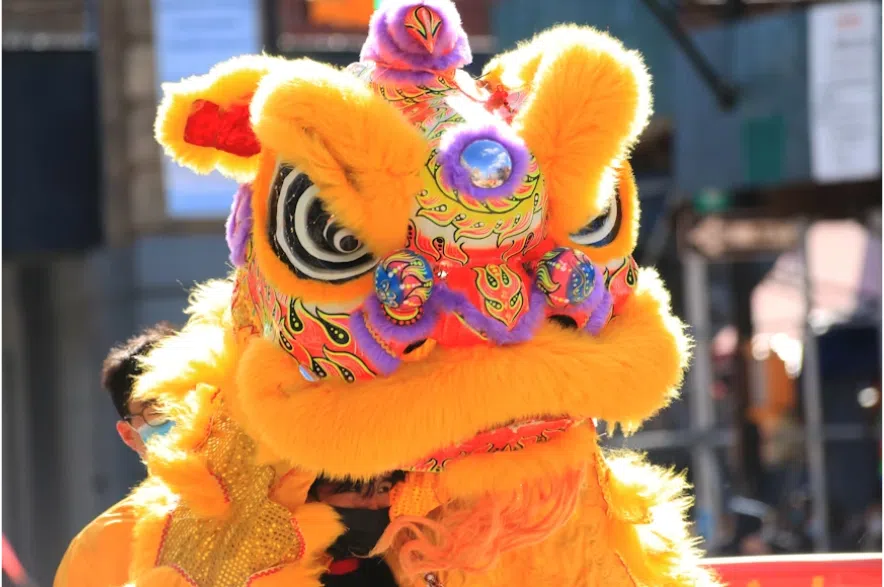
The 2026 Lunar New Year is just days away, with Tuesday marking the start of the Year of the Horse.
Lunar New Year is celebrated across many cultures. The holiday is time for family gatherings, traditional food and welcoming good fortune in the year ahead.
Dr. Helen Chang is a director with the Chinese Cultural Society of Saskatchewan. She joined The Evan Bray Show to explain the importance of this event.
Read more:
The following transcript has been edited for length and clarity.
EVAN BRAY: What is the Lunar New Year?
HELEN CHANG: Lunar New Year is how a lot of Asian communities will celebrate the beginning of their year. It’s based on the moon cycle. Instead of Jan. 1, it’s a little bit of a changing date that happens each year. The Year of the Horse starts on Feb. 17. Last year was a little bit earlier on in the year.
BRAY: What does the Year of the Horse symbolize?
CHANG: In Chinese culture, we have astrological signs. There’s 12 different animals that represent different personality types, different traits. For example, this year, after Feb. 17, you’ll be born in the Year of the Horse. Currently we’re in the Year of the Snake. Depending on what year you’re born and your animal sign, it tells us about your personality and maybe what kind of luck you might have that year.
BRAY: What are some symbolic things like the lion dance contained in the celebrations?
CHANG: This morning we were at Jack Mackenzie School in Regina doing some lion dancing. The lion is that magical creature that you’ll see in pretty much any movie that talks about China, Chinatown or Chinese celebrations. It’s supposed to bring good luck, and there’s the drum and the cymbals and the gong. The lion is a colourful and ferocious animal. It helps to get rid of stagnant energy from the previous year and bring in new fortune and new prosperity.
BRAY: How do we do as a province in celebrating Chinese culture? Is Lunar New Year always part of your life, growing up here?
CHANG: It has been since I can remember, because everybody wants to get a good start to the year. When immigrants came over, they really brought that with them. Even in Moose Jaw, in smaller communities, there’s been lion dancing in Saskatchewan for years.
As a smaller province, we still have quite an active and vibrant Asian community, too, and it’s not just for Asian people. It’s for everybody who lives in Saskatchewan.
Over the years we’ve seen it really take off – lion dancing in the schools, lion dancing for different businesses. People know now that it’s a lion, not a dragon. I think that’s a major improvement in education that’s happened. It’s just an opportunity.
Our winter is so long and so cold that this is just a great way to get involved and to be with community and be with friends and just celebrate being together.
BRAY: What is the tradition of putting money in a red envelope?
CHANG: The red envelope was called hong bao. Red is hong and bao is envelope. It’s a bit of an offering for the lion, because the lion’s a magical creature. What we do is we feed the lion our offering of hong bao, of lucky money, and then the lion gives you good luck in return. That’s what the red envelope is for.
The hong bao is also used at New Year’s time for families. For example, parents will give hong bao to children. Older folks will give hong bao to younger folks as a way to say “good luck.” It’s a gift and a wish for prosperity and for good fortune in the coming year.
BRAY: I know there are celebrations happening all over Saskatchewan. Are there any you want to highlight?
CHANG: If you go online and you Google “Saskatchewan” and “Chinese New Year,” it’ll come up with events. There are some organizations there having some banquets. We always love to celebrate by eating, so that’s one way. In Regina, you’ll see some lions around the schools and some businesses, especially on New Year’s Day.