

Evan Bray: Looking back on 9/11 a quarter century later
On the 25th anniversary of the 9/11 terrorist attacks in the United States, Evan Bray is remembering his own experience ...
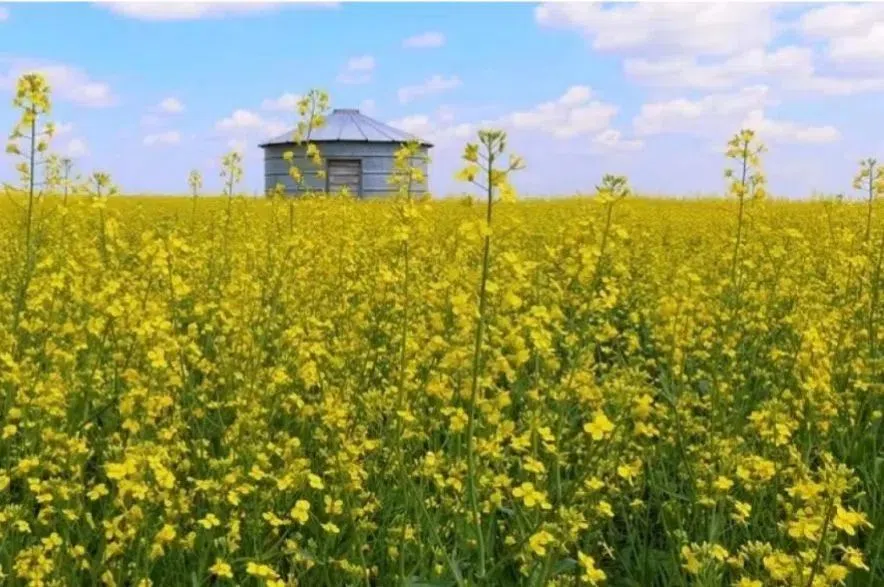
A report of canola orders already being prepared for shipment to China is described as “good news” by the president of the Agricultural Producers Association of Saskatchewan (APAS).
“I think it was a bit of a surprise,” said Bill Prybylski in an interview, in response to the Bloomberg News report citing sources who report cargoes of canola estimated at around 600,000 tonnes are set to be loaded in the next few months.
Read more:
“To see that things are moving this quickly, obviously that indicates that there has been kind of pent up demand for Canadian canola going into China,” he explained.
The preliminary deal, announced Jan. 16, will drop duties China had imposed on Canadian canola and other products in exchange for allowing tens of thousands of Chinese electric vehicles into Canada.
The reported amount being shipped is small, Prybylski says, but it bodes well for the future.
“It’s just an indication of, or hopefully an indication of, things to come,” he said. “To have that type of a sale in this short of a time frame I think is speaking really favourably for more business going forward.
“You know, again, that that’s a small, small amount compared to the overall canola trade, but it’s significant.”
Prybylski suspects the canola to be shipped is currently being stored by producers themselves or in country elevators.
He also believes this sale on its own wouldn’t move prices, but things have already been moving in the right direction since the agreement was announced.
“Just the fact that they’re able to move into China has already impacted the price. We’ve seen a steady, slow, but steady increase in prices over the last couple of weeks already.”
Prybylski says he understands concerns about national security and political interference when it comes to making deals with China – but he said it’s too large a market to ignore.
“Obviously we have to go in with our eyes wide open, and have to be scrutinized very carefully. But there’s no way we can isolate, or we can operate in isolation from those risks.
“But we just need to take necessary precautions.”