

Murray Wood: Who's hot... and who's not
Every Friday, Murray Wood takes a look back at the week's news and decides who's hot... and who's not. This week's list ...
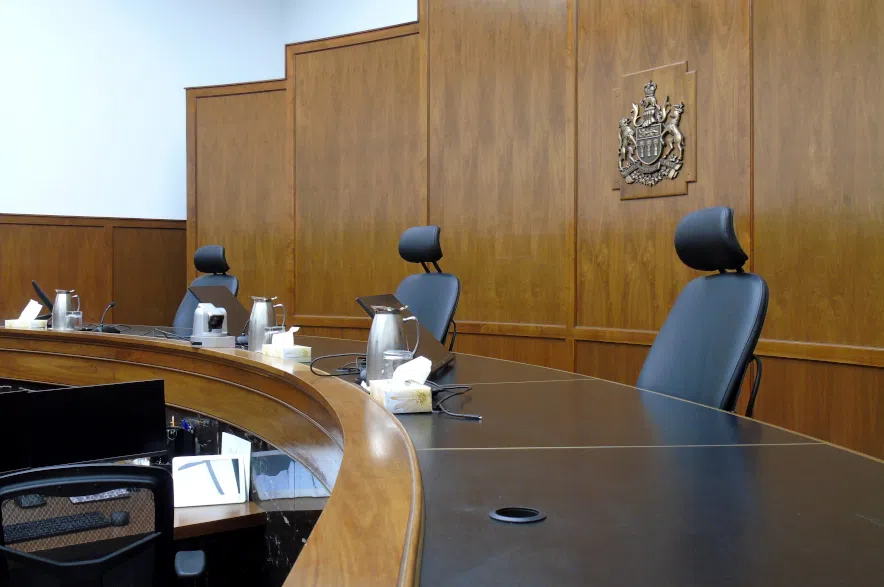
A woman, originally sentenced to three and a half years in prison for abusing two little boys in her care, will only spend three years in jail after an appeal.
There is a publication ban on the woman’s name to protect the privacy of the victims, so she was only referred to as KM in court documents.
The case came to police attention in December 2020, when passersby spotted a little boy on the roof of a duplex wearing a T-shirt and sweatpants. They got the then-seven-year-old off the roof safely, but in the meantime, others called police because they heard another little boy shouting from inside the house.
When police arrived, they got in and found the other boy, then-four-years-old, in a room with no furniture where a yellow rope had been tied between the door and the stair railing.
KM was convicted in 2023 of two counts of failure to provide the necessities of life, two counts of unlawfully confining the boys, assaulting the older boy with a weapon and assaulting the younger boy.
Court heard during the trial that the boys were malnourished and bruised all over.
KM was sentenced to 42 months in prison. She served about three months before being released, pending the result of her appeal.
She appealed both her conviction and sentence. The conviction appeal was dismissed, but the Saskatchewan Court of Appeal allowed her sentencing appeal.
The court found the original judge erred in consideration of some factors in the case. KM continued to deny the allegations against her, and the original judge took her lack of remorse as an aggravating factor in sentencing, while the appeals court said it should have been a neutral factor.
In this case, the court also found the judge didn’t properly consider KM’s Gladue factors.
For Aboriginal offenders, a Gladue report is done, which considers the unique and systemic background factors that may have played a part in the offence, including systemic and historical racism and their current effects.
KM’s report included information about her parents, one of whom went to residential school, physical, emotional and sexual abuse experienced as a child, experiences of racism, and domestic partner abuse, including being locked in a room herself.
The sentencing judge had determined that her Gladue factors didn’t meaningfully reduce her moral blameworthiness, saying the factors were not as glaring because, in part, the molestation she suffered was from an extended family member and not immediate family, and that she had treated her own daughter well, which suggested she didn’t lack parenting skills.
But the Court of Appeal disagreed, saying the seriousness of the offence didn’t negate the Gladue factors, and the original judge didn’t properly analyze the ways they influenced KM’s actions.
“K.M.’s Gladue factors, and the dysfunctional and abusive dynamics that she endured, are significant and have the effect of reducing her moral culpability,” wrote Court of Appeal Justice Jillyne M. Drennan in the decision.
Taking everything into account, the court of appeal found the crimes still required a prison sentence, only reducing the sentences on the assault and unlawful confinement charges by two and six months respectively — that had the effect of reducing the total sentence to 36 months from the original 42.