

Sarah Mills: We must remember them
Remembrance Day is a statutory holiday, but Sarah Mills says not everyone will take the time to remember those who made ...
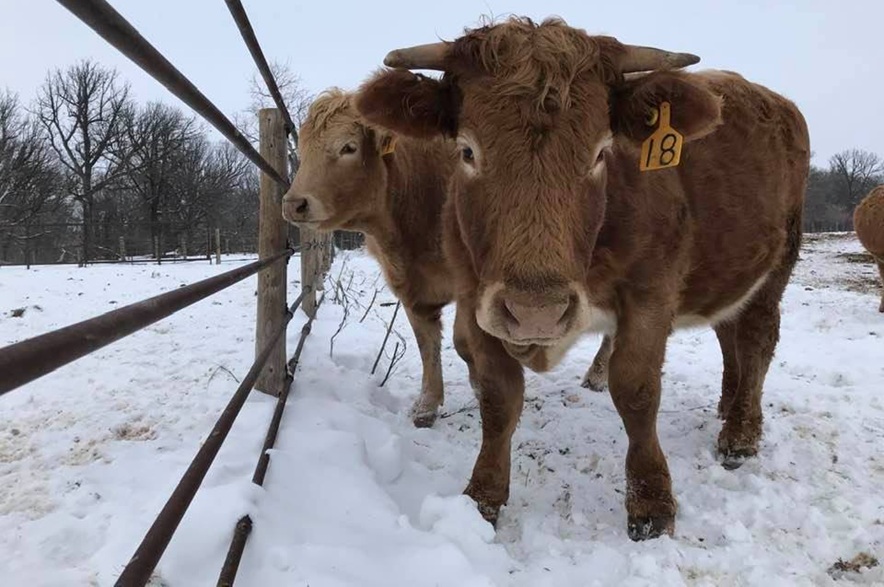
Saskatchewan cattle producers are heading into winter with strong calf prices and good feed supplies, putting the industry in a positive position heading into the colder months.
Chad Ross, chair of the Saskatchewan Cattle Association, says the fall run is underway, with plenty of calves coming to market and prices remaining strong.
Read more:
While calf prices may be slightly below last year’s levels, Ross says they are still providing good returns for cow-calf producers.
“As far as feed supplies, I think most of our producers are in great shape.”
He adds that having both favourable market conditions and adequate feed supplies is an excellent position for beef producers.
The winter forecast is also something Ross is watching with optimism.
With an El Niño pattern expected to bring warmer-than-normal temperatures and below-average snowfall, Ross says the conditions could help producers reduce the cost of maintaining their herds.
Keeping cattle warm through the winter requires a significant amount of feed. Milder temperatures could mean producers need less feed to maintain their cows.
Ross also points to the growing number of producers who are grazing cattle on crop residue as another reason a more open winter could be beneficial.
Less snow would make it easier for cattle to access those fields, potentially helping producers manage winter feeding costs.
Looking ahead to 2027, Ross says the industry will be hoping for another year of favourable moisture and market conditions, following what he describes as a good 2026.
However, international trade and political decisions remain major concerns for Saskatchewan cattle producers.
Ross says Canada’s beef industry is closely integrated with the United States and Mexico, making continued access to those markets extremely important.
He notes that Canada exports approximately 50 per cent of its beef production, meaning international trade opportunities are essential to the industry.
“Making sure that we have opportunity to export our product is very, very important,” Ross says.
Ross says the association will be watching developments surrounding trade and tariffs, as well as the federal government’s consideration of free trade agreements.
One area of concern is the proposed Mercosur trade agreement, which involves South American countries. Ross says the potential for increased South American beef imports into Canada is something the association is monitoring.
He believes additional imports could negatively affect both Canadian beef producers and consumers.
As the industry moves toward 2027, Ross says maintaining access to international markets will remain a key priority.