

Murray Wood: It's a Monday Melange
From the B.C. NDP being DOA to the Riders, Trump and Murray Wood campaigning for a spot at the trough.
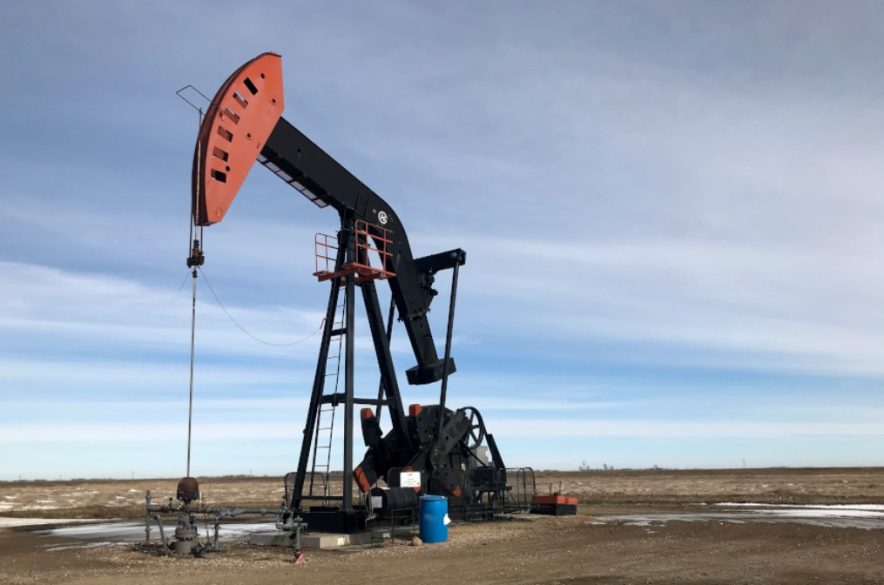
A change in government in British Columbia could mean more opportunities for Saskatchewan to get its oil to overseas markets, potentially bringing better prices and more money into the province.
The B.C. Conservatives, led by interim leader Lorne Doerkeson, won Saturday’s provincial election, ending nearly a decade of NDP government under John Horgan and David Eby.
Read more:
With the incoming government promising to focus on resource development, experts say Saskatchewan could benefit from a more welcoming approach to pipelines and West Coast exports.
Heather Exner-Pirot, director of energy, natural resources and environment at the Macdonald-Laurier Institute, said improving access to international markets could make a significant difference for Saskatchewan’s oil industry.
“Right now, a lot of Saskatchewan oil is getting that terrible discount that we’re seeing in the United States,” Exner-Pirot said.
“The more West Coast oil exports we can have, the more pipelines we can have or egress to the West Coast … That’s better for the price that Saskatchewan barrels get, and therefore the royalties that the Saskatchewan government gets.”
Exner-Pirot said oil doesn’t always receive the same attention as potash, grain and uranium, even though it is one of Saskatchewan’s major exports and it’s important to the provincial economy.
“Oil is Saskatchewan’s top export. It’s the biggest export,” she said. “Saskatchewan has some ambitions to grow its production. And of course you do get more jobs — and in particular more royalties — when you grow production.”
Mike Smyth, a longtime British Columbia political commentator and host on CKNW radio, told The Evan Bray Show the incoming B.C. premier has already expressed interest in working more closely with Alberta.
“He’s already talked about reaching out to Alberta Premier Danielle Smith to form some kind of a Western alliance with her,” Smyth said.
“He’s very, very open and bullish on pipeline construction … so I think that you’re going to certainly see a focus on that.”
The new government has also expressed interest in expanding natural gas production, mining, and forestry.
Exner-Pirot said the biggest change may not come from existing pipeline proposals, but from a renewed discussion about shipping oil along British Columbia’s northern coast.
“Maybe the most interesting thing is this renewed sense or call for oil exports on the north coast through the oil tanker moratorium zone,” she said.
The federal Oil Tanker Moratorium Act currently restricts large crude oil tankers along parts of B.C.’s northern coastline.
Exner-Pirot said the previous NDP government’s opposition to changing those restrictions may not carry over to the Conservatives.
“That was obviously a red line for the B.C. NDP and for their base. It’s not at all clear that that’s a red line for the B.C. Conservatives.”
However, a more development-friendly government doesn’t mean new pipelines will be built overnight.
Smyth said the Conservatives’ plans to repeal provincial Indigenous rights legislation could create additional challenges.
“There’s going to be a backlash from First Nations here. There’s going to be a backlash from the environmental movement here,” he said. “It’s not going to be easy for him either.”
Exner-Pirot also pointed out that some projects remain under federal jurisdiction, meaning a change in provincial government won’t necessarily change their approval process.
She said the Conservatives’ plans to increase natural gas production could also affect Western Canada.
British Columbia is looking to expand liquefied natural gas exports, which Exner-Pirot said could encourage more investment in the province and create competition with Alberta.
“Alberta was probably seen as a more competitive jurisdiction to invest, and now that may change,” she said, suggesting increased natural gas production could help keep prices lower in this province.
But Saskatchewan’s potential benefits aren’t limited to energy.
Exner-Pirot said the province also depends on transportation routes through British Columbia to get grain, oilseeds and minerals to international markets.
“You’re trying to get your commodities: your grains, your oilseeds, and your mineral products to Asia, and it has to go for the most part through B.C.,” she said.
With Saskatchewan, Alberta and British Columbia potentially taking a more similar approach to resource development, Exner-Pirot believes Western Canada could see more co-operation on exports.
“The easier it is to invest in Canada, the easier it is to build pipelines and egress for export in Canada, the better it is for Saskatchewan,” she said.
While the change in government could create new opportunities, both commentators say challenges remain, particularly around Indigenous consultation, federal regulations, and getting major infrastructure projects approved.
— with files by 650 CKOM’s Libby Gray
Read more: