Murray Wood: It's getting better all the time
Even if it seems - as the rejoinder in the Beatles' song observed - 'it couldn't get much worse,' Murray Wood suggests w...
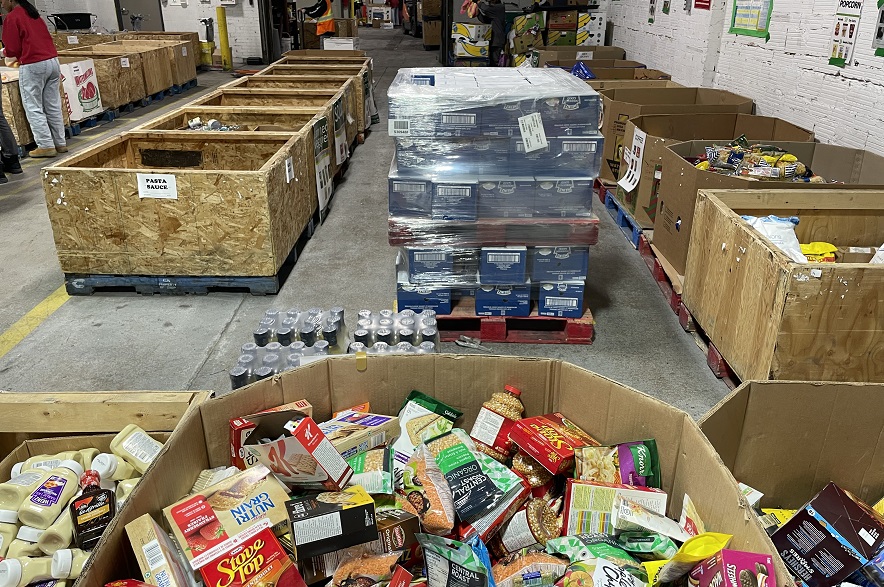
Record-high numbers of patrons are using food banks in Saskatchewan’s two largest cities, and many are children.
According to Deborah Hamp, director of operations and engagement at Saskatoon Food Bank, more than 26,000 people walked through the organization’s doors in August.
“That was the highest month ever,” she said.
Read more:
The demographics are wide-ranging, Hamp said, with some coming in for the first time and others being students trying to pay for their studies, rent, and food.
Perhaps most alarming, though, is how “40 per cent of the people who rely on the food bank program are children,” according to Hamp.
Similarly, Regina Food Bank CEO Mary Weimer said during Q2, which covers July through the end of September, there was a 12.6 per cent increase in the number of people served compared to this time last year.
She added that the percentage is only as of Sept. 23, so more days and patrons will be added to that figure.
According to Weimer, Regina’s seen growing numbers of patrons ever since the pandemic.
“Pre-COVID, we often talk about (how) Regina Food Bank built 80 hampers a day, and currently we build about 450 hampers a day,” she said, adding how there hasn’t been a decrease in patronage since 2020.
The demographics of those visiting the Regina Food Bank are changing, Weimer shared, with more employed people depending on the service.
In Regina, the number of children using the food bank is nearly double that of Saskatoon.
“Children make up about 70 per cent of the individuals that are served,” Weimer said.
According to Weimer, the two cities might differ so much because the Regina Food Bank runs various programs with the city’s public-school board.
While there’s no single reason both food banks are facing growing demand, Hamp said it likely comes down to the cost of living.
“The cost of groceries is sky high. There’s been rent increases for people. Just overall, it’s very, very difficult to make ends meet,” she said, adding that Saskatchewan’s low minimum wage hasn’t kept pace with reality.
With people under financial pressure, Weimer said there’s been a noticeable decrease in food and financial donations.
But helping support your local food bank doesn’t require spending money.
“Volunteers are so critical in our ability to serve people, especially as our numbers rise. We don’t necessarily add more staff, but when we can add more volunteers,” Weimer said.
Hamp shared a similar sentiment, adding that when people come to help, their awareness of what’s going on in their community grows.
Read more: