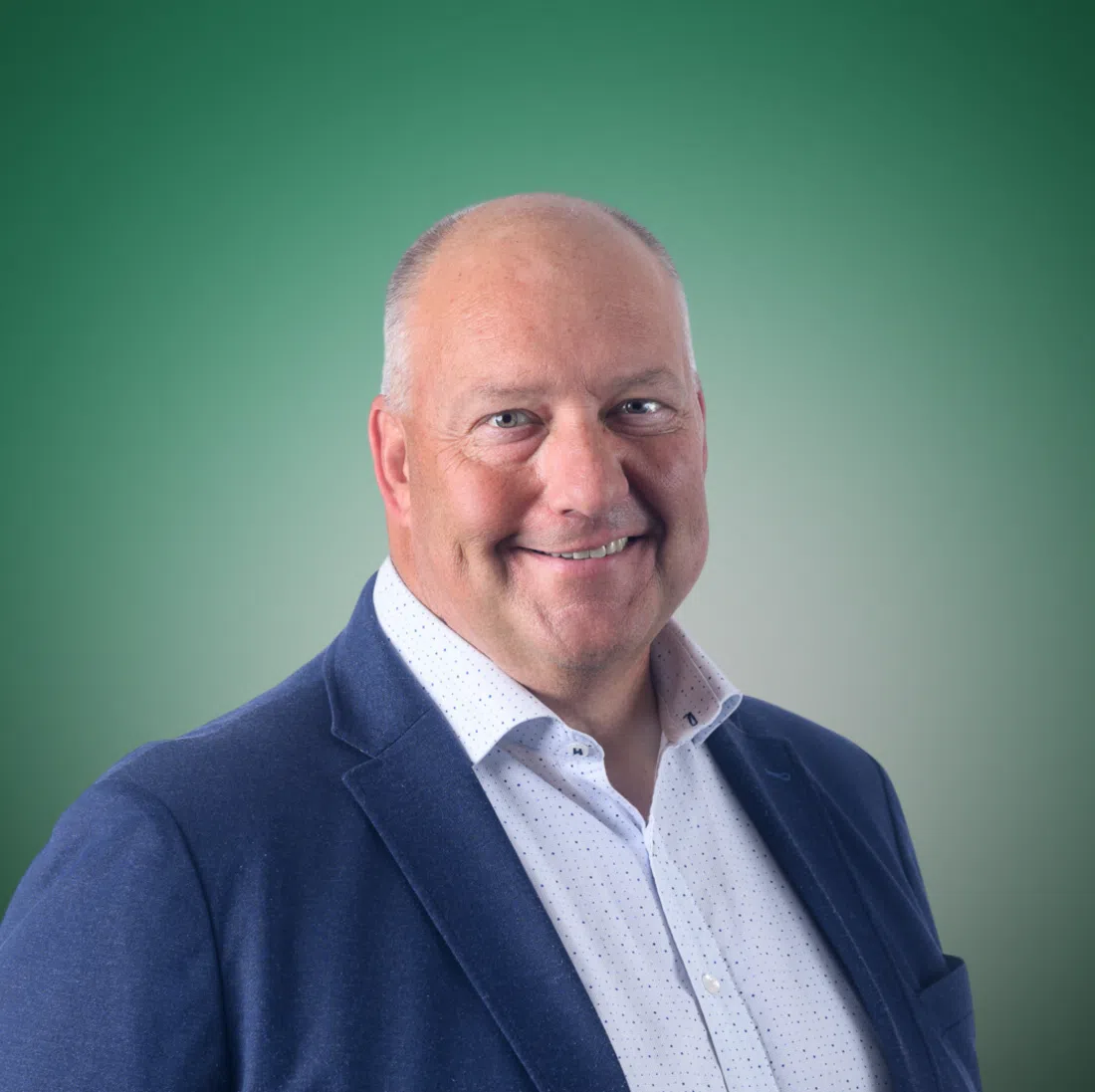

Murray Wood: Who's hot... and who's not
Every Friday, Murray Wood takes a look back at the week's news and decides who's hot... and who's not. This week's list ...

A Regina wig store owner is hoping tariff threats will get out of her hair.
Omolara Jacob, owner of larashairport, said her custom wigs, wig toppers, extensions, and clip-ins are all subject to tariffs.
“Everybody is sick of it,” she said. “The whole thing has changed the whole world… it’s like a mini war going on right now.”
The hair and wig business is just one in Saskatchewan that could face a 50 per cent tariff from the United States if a trade deal isn’t negotiated at midnight.
Jacob said 30 per cent of her products get shipped to the United States.
If tariffs are applied, she said she will likely have to raise wig prices.
“People barely can even afford their three square meals,” the hair expert said. “I used to say, hair wigs is not essential.”
Jacob said she has heard complaints about her product prices in the past, and doesn’t want to see any customers turn away due to increased costs from tariffs.

Murray Hannigan owns and operates Hannigan Honey in Shellbrook, a business that was started by his father Albert in the 1940s. (Brittany Caffet/ 650 CKOM)
Murray Hannigan is expecting to feel the sting of tariffs from the United States.
“This new layer of potential tariffs is very concerning,” he said. “It just makes us want to look for other alternatives.”
His apiary, Hannigan Honey, is just one Saskatchewan business bracing for 50 per cent tariffs if a trade deal isn’t reached between Canada and the U.S. on Wednesday.
Read more:
“I just see so much uncertainty and unpredictability,” Hannigan said. “If it does go the wrong way, it’s going to make life really difficult to export.”
The apiary near Shellbrook sells 25 per cent of its product to the U.S.
“We have connections across the U.S. that we have marketed honey to over the years,” Hannigan said. “It will be interesting to see if we’ll still be accessing their markets in the year to come.”
The business has diversified its market, getting a sweet deal with Japan and China, but Hannigan wants to find other buyers to avoid tariffs.
According to Hannigan, the U.S. is purchasing honey from India and Vietnam, but should be looking to Canada for higher quality of honey.
“It seems like they’re just going for price point,” he said. “So yeah, there’s there’s lots of unknowns as to where a tariff might end up.”

Luke Shaheen, the managing partner with Crazy Ape Extreme Equipment, stands next to a custom made trampoline ready to be shipped to the United States. (Gillian Massie/980 CJME)
Luke Shaheen, a managing partner with Crazy Ape Extreme Equipment is already facing 25 per cent steel tariffs on custom trampolines shipped to the U.S.
He’s hoping for a swift end to that come Wednesday.
“We’re optimistic and we’re also on pins and needles,” Shaheen said.
The company sends about 50 per cent of its products south of the Canadian border.
Shaheen said each order that has to clear American customs is met with a mountain of paperwork he calls an “administrative burden.”
“It’s taxing on our entire team,” he said. “We have had to bring in administrative support just to be able to get our orders through with all the new paperwork that’s taken place.”
Shaheen said the company will pursue other strategies to get products to the U.S. if tariffs stay on for a lengthy amount of time.
“We will just have to find ways through and pivot,” he said. “We already have some some plans that we’re doing in the background to mitigate exposure, but undoubtedly there will be a strong impact in the short term for sure.
“It’s something you just got to take day by day and proceed as you can.”

Shaheen said Crazy Ape Extreme Equipment has already pivoted plans with different challenges from the United States. (Gillian Massie/980 CJME)
Forest Saskatchewan is concerned forestry products won’t be involved in the current deals negotiations.
“Historically, forest products coming in from Canada into the United States have faced tremendous lobby by the lumber associations in the United States,” said, CEO Carl Neggers. “We’ve had countervailing tariffs on softwood lumber for years.”
“We’ve challenged them in the courts in the U.S. and won three times, and still we’ve been embargoed with tariffs.”
Neggers said if the tariffs stay put, it means higher prices for everyone.
Read more: