Sarah Mills: Alberta's referendum is Canada's wake-up call
Sarah Mills says Canada needs better collaboration between Ottawa and the provinces. She says what's good for Quebec sho...
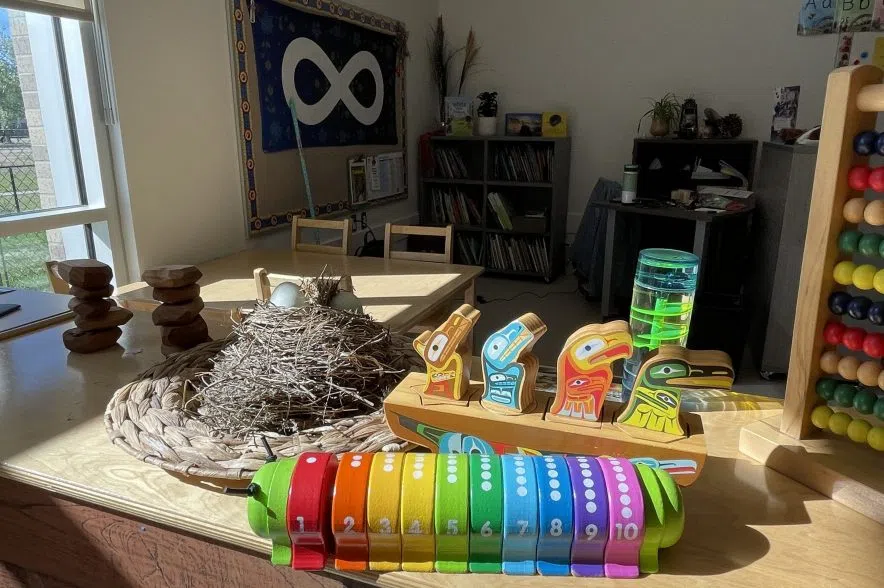
Kids are getting their first taste of freedom for the 2026 summer holidays and the 2025-2026 school year saw the introduction of classroom complexity teachers into the education system.
Saskatchewan Education Minister Everett Hindley was on The Evan Bray Show this week to update listeners on how the school year went, including implementation of the Saskatchewan Student Assessment plan and whether school nurses should be brought back.
Read more:
This interview has been edited for length and clarity.
EVAN BRAY: What are some of the great accomplishments this year?
EVERETT HINDLEY: I think there have been a number of positives here in Saskatchewan.
As the government, it’s really been trying to do everything we can to help support and create an amazing educational experience for our kids.
We are working toward K-3 literacy. We started to do a field testas we assess where our students are in the Saskatchewan Student Assessment model, and we are making sure our teachers have the tools they need to help support those students.
Those are some of the positives are happening, in addition to work being done around addressing complexities in the classroom.
BRAY: How does the Saskatchewan Student Assessment plan differ from PISA?
HINDLEY: We want to make sure that our students have the tools they need to succeed, not just today in the classroom, but also in the future as well.
This is a phased rollout to make sure we get this right, and we had the field test take place this spring, so that involved the Grade 5 and Grade 9 math, and Grade 7 English Language Arts. We are trying to get a valid and fair and biased assessment of where our students are at.
Starting in September, we’ll continue with the gradual implementation, and then by the 2028-2029 school year, we’ll have this fully in place.
This is going to be the first time we’re going to have a clear province-wide picture of student learning, and all assessments will be based upon Saskatchewan’s curriculum. This has been built in conjunction with teachers — we had about 400 teachers already involved. We’re going to see the benefits for this years down the road, as well.
BRAY: Will parents be given access to the results from from these tests?
HINDLEY: Absolutely. This is about making sure we are measuring where our students are at, and then helping them to get to where they need to be.
I think every one of us want to make sure that our kids are succeeding in our K-12 education system. We want to set them up for success, leading into post-secondary and beyond.
This isn’t just K-12, this is K to career. That involves not just the teachers, but it involves the home, making sure that parents are involved and have some input.
BRAY: A report that found roughly 1,200 disabled and special needs students in our province excluded from full-time learning, because their support needs can’t be met. How are we fixing this?
HINDLEY: A child could have complex medical needs, or other specific challenges.
I’ve heard from teachers, parents, EAs and the unions but it’s also important to hear from some of the organizations out there that do this work to help kids, not just in school but year-round — organizations like the Autism Resource Centre and Down Syndrome Society.
We’re trying to get a better picture of what’s happening out there. What are the needs? What are the gaps, and how can we help address those? It’s not going to be easy, there’s no one size fits all solution.
I’ve been hearing from teachers and EAs that sometimes they feel they don’t have all the tools necessary to help some of these students.
The flip side is some of these organizations are saying they can provide some professional development and workshops to help. I think there’s still some work to be done, but we’re on a path to provide some solutions here.
BRAY: Should we be going back to having actual nurses in school, is that ever a discussion?
HINDLEY: Some provinces are exploring those opportunities again.
I had a meeting with Saskatchewan Teachers’ Federation President Samantha Becotte and her teamand raised that question.
I think we’re trying to figure out what is the best solution. Having been in the health portfolio before this, I know there’s still some challenges there. We can’t train and hire nurses and doctors and EAs fast enough.
Read more: