

Murray Wood: It's a Monday Melange
From the B.C. NDP being DOA to the Riders, Trump and Murray Wood campaigning for a spot at the trough.
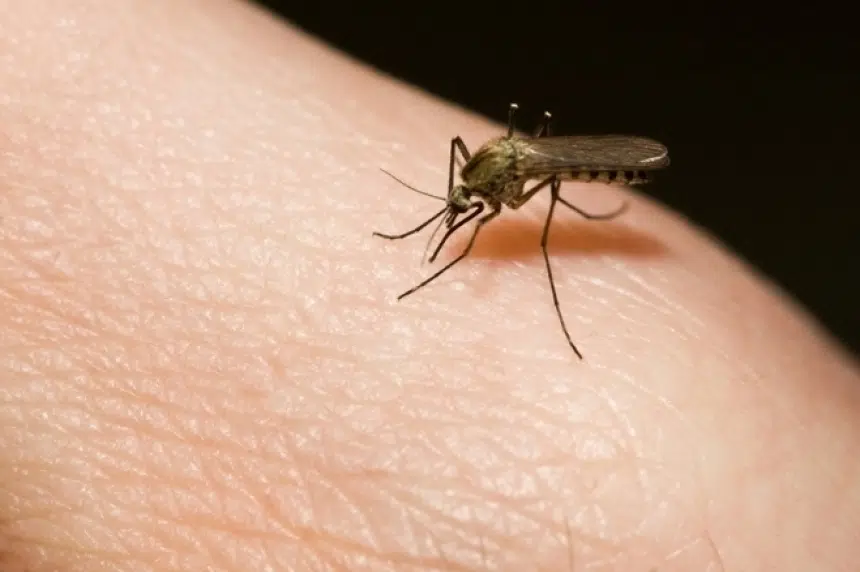
If it feels like mosquitoes exploded across Regina this week, you’re not imagining it.
A stretch of hot weather following a wet and snowy spring caused mosquito numbers to spike sharply across the city, according to the City of Regina.
Ashley Thompson, manager of Parks Technical Services with the City of Regina, said crews saw mosquito populations surge almost overnight once temperatures climbed.
Read more:
“The first four weeks of our trapping program, we were not catching much, I think about 13 total,” Thompson said. “And then this week, in the last three days, we’ve already caught about 150.”
The sudden jump comes after months of fluctuating spring weather that left behind ideal breeding conditions.
“This heat really kind of got them going, and the larvae really started growing a lot quicker with the warmer weather, so it kind of just was a big boom,” she said.
According to Thompson, mosquito numbers this week are already about five times higher than crews recorded during the same period last year.
“Last year, let’s say it was 30, we caught 30 mosquitoes total in the traps. It’s Wednesday now, and we’ve already caught 150.”
Despite the increase, Thompson said spikes like this are not unusual for Regina around late spring and early summer, although this year’s jump arrived earlier than normal.
“It is normal for us to get a spike,” she said. “We might be a little bit early.”
The city has crews monitoring standing water sites throughout Regina Monday through Friday. Thompson said workers focus on areas where water tends to collect, including ditches, parks and low-lying areas near major roadways.
“Usually kind of along the major ditches, like Arcola, Ring Road, Lewvan, you’ll see the most standing water,” she said.
When larvae are found, crews apply an organic granular treatment called VectoBac to the water.
Thompson said the recent heat wave could eventually help reduce mosquito numbers if it dries out remaining standing water. However, additional rain could extend the problem.
“The heat will help with drying up the water,” she said. “But if we do still have a lot of standing water, the mosquito larva will grow quicker.”
Residents can also help reduce mosquito breeding around their own homes by eliminating standing water wherever possible.
“Making sure that you don’t have any kind of containers of standing water in your yard is huge,” Thompson said. “If you have a rain barrel, make sure it’s covered or that you’re emptying it.”
While mosquitoes are mostly considered a nuisance in Regina, Thompson said the risk of West Nile virus remained low this early in the season.
“West Nile typically spikes later in the season when it is hotter out,” she said. “Usually in July and August is when West Nile becomes a problem.”