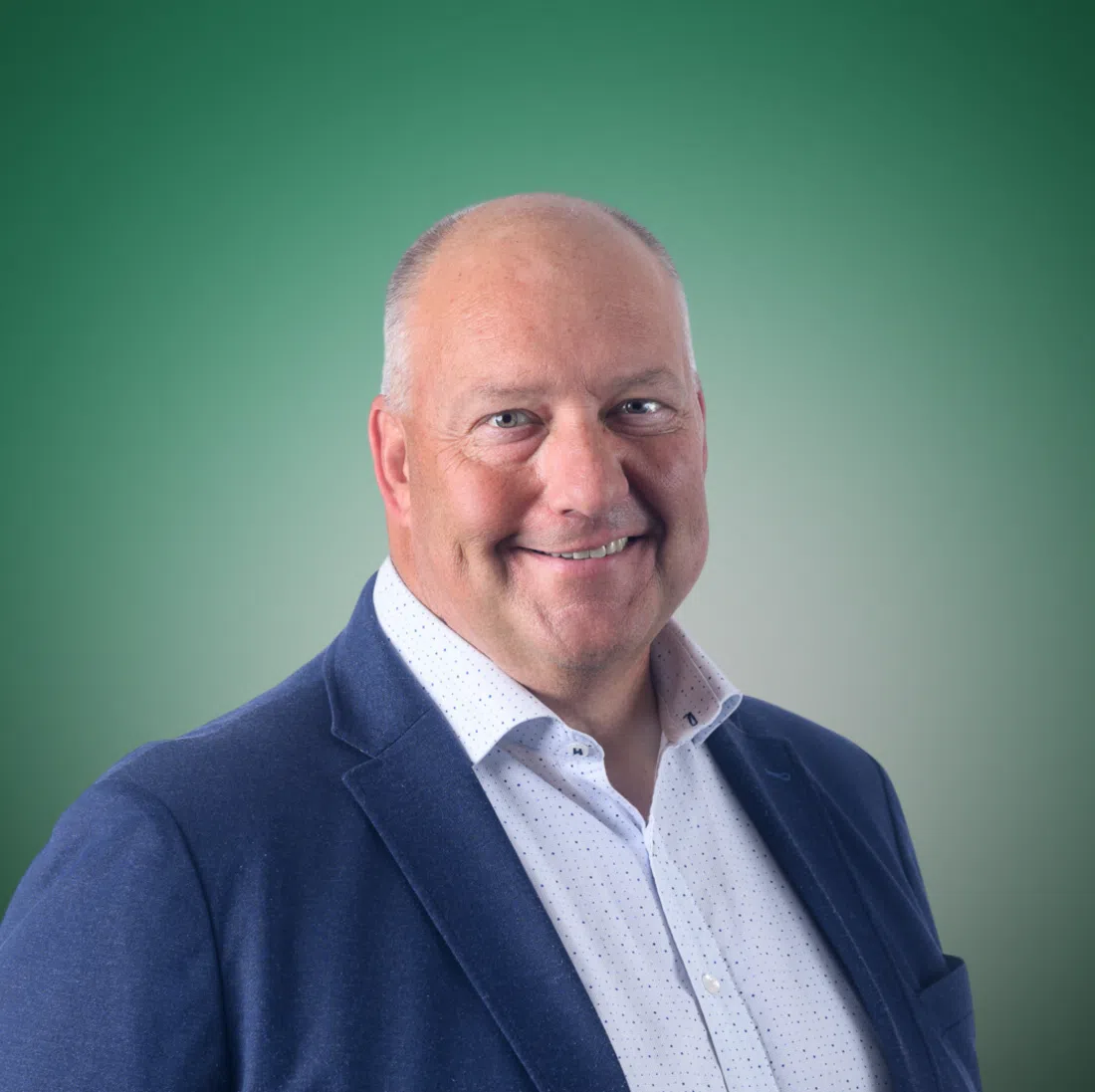

Murray Wood: The new phone books are here!
Once a Steve Martin catchphrase, Murray Wood says physical phone books are rapidly becoming relics of another age, but t...

8:30 – The debate over Saskatchewan’s energy future continues to be a big conversation for our politicians. Last week, the NDP released a report saying that refurbishing the province’s coal-fired power plants could cost as much as $26 billion. Minister Jeremy Harrison, Saskatchewan Minister of Crown Investments Corporation, says this isn’t entirely accurate. He joins the show to explain what these numbers really mean and why the province plans to continue its coal power plants, despite the federal government’s phase-out plan by 2029.
Listener Question: Do you think coal still has a place in Saskatchewan’s future, or is it time to move on completely?
9:00 – Every spring, the province puts out a warning about hantavirus, which can spread through contact with dust contaminated by deer mouse droppings or urine. It is rare but can cause severe and sometimes fatal illness in humans. But it’s making bigger headlines following the outbreak on a cruise ship. Dr. Joseph Blondeau, Saskatoon clinical microbiologist and Head of Clinical Microbiology at RUH and the University of Saskatchewan, joins the show to explain how the strain in Saskatchewan is different than the one contracted on the cruise ship and why the risk to the public remains low.
LQ: Does this make you think twice about booking a cruise?
9:30 – Open phones – Evan goes to the phones to chat with listeners about what’s on their minds today. Call 1-877-332-8255.
10:00 – A new report from the Senate Committee on National Security, Defence and Veterans Affairs warns that Russia is actively targeting Canadians with false information, propaganda, and even deepfakes, all designed to divide us and weaken confidence in our democratic institutions. Dr. Stan Kutcher is a leading psychiatrist and professor and sits on the Senate Committee on National Security, Defence and Veterans Affairs, joins Evan to share the reports’ findings.
LQ: Should schools be teaching media literacy and critical thinking to children to help fight disinformation?
10:30 – The disappearance of an eight-year-old non-verbal autistic boy in Regina last week has many families talking about safety and the supports available for vulnerable children. This happened to Amanda Irvine, a mother of an eight-year-old non-verbal autistic boy who wandered from his school in February. She joins the show alongside Bethany Wright, a Special Education Assistant who works with autistic students, to talk about the Lifesaver Project, which helps vulnerable people who are prone to wandering. They want to see Regina and other communities adopt the program.
LQ: Should more communities adopt a program like the Lifesaver Project that assists people who are at risk of wandering?
11:00 – Mental health can be a difficult topic for families to talk about — especially with young children. A new children’s book is hoping to open that conversation in a gentle and creative way. Monique Stokvis, Saskatoon–based children’s author of THERE IS SOMETHING FISHY ABOUT ed, and retired Canadian Air Force Captain, joins the show to talk about her new book, which navigates discussions around eating disorders.
11:30 – The way many Saskatchewan residents access health care is continuing to evolve, with pharmacies playing an increasingly important role. The province announced a new three-year agreement with pharmacy proprietors, aiming to expand services. Michael Fougere, Pharmacy Association CEO and former Regina mayor, joins the show to break down the new agreement and explain how it could ease pressure from the emergency rooms.
LQ: In your view, should pharmacists play a bigger role in primary health care in Saskatchewan?
12:00 – The future of the Snowbirds is suddenly up in the air. Fraser Tolmie, Moose Jaw MP and former mayor, heard from the government that they couldn’t book events for the 2027 season. He joins the show to talk about why this might be happening and what a grounding could mean to the community.
LQ: Would it be a mistake for the government to ground the Snowbirds?