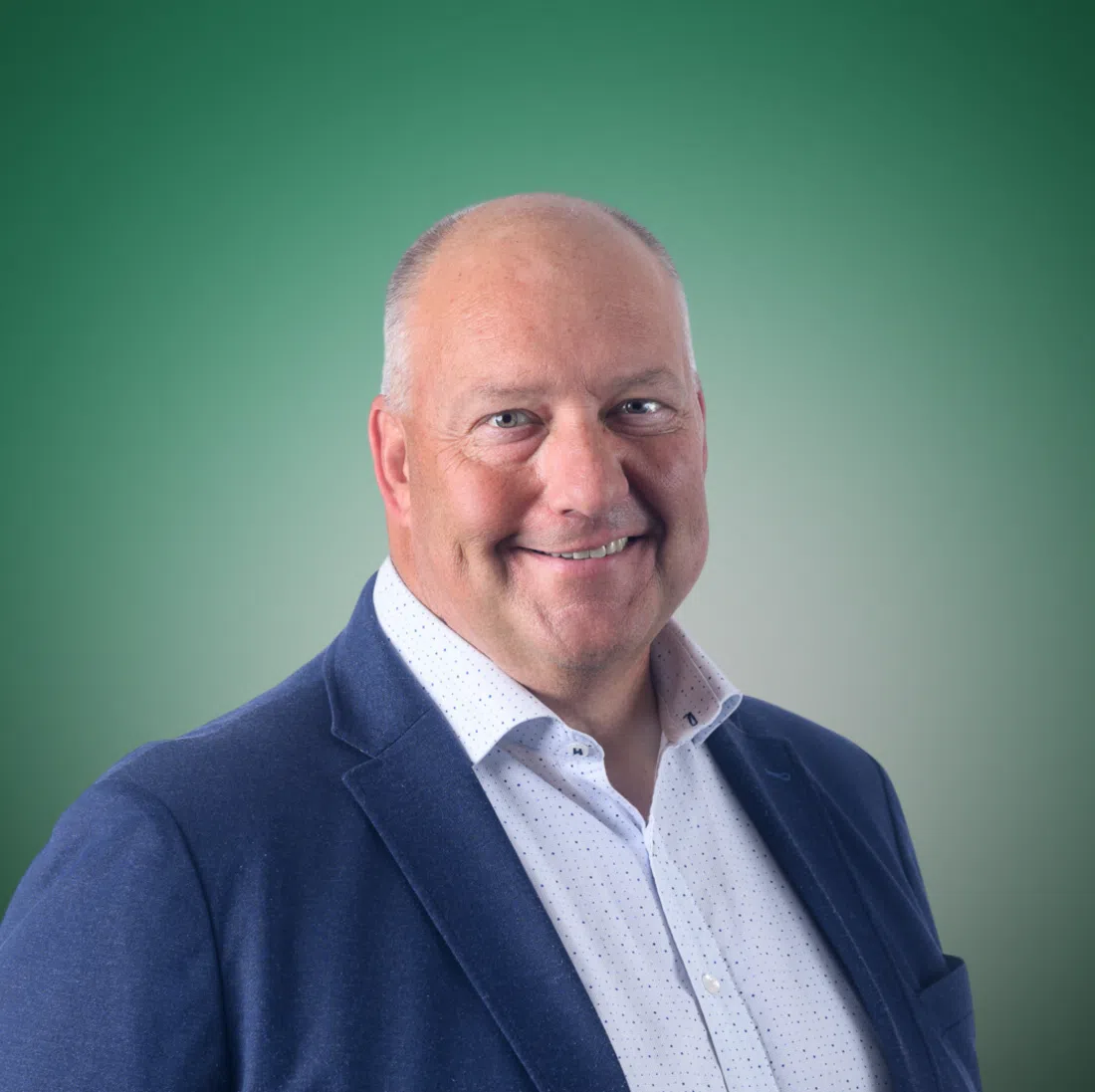

Murray Wood: Is it fake, or just stolen?
People looking for news on Facebook need to watch out for fake content. And even if it's true, it may have been stolen. ...

Saskatchewan is taking another step toward expanding its future energy mix.
SaskPower and Bruce Power have signed a memorandum of understanding (MOU) to study the potential of large-scale nuclear power generation in the province.
The agreement, announced April 15, will see Bruce Power share its expertise in nuclear generation, project development and long-term operations with SaskPower. The collaboration comes as Saskatchewan evaluates the feasibility of large nuclear reactors alongside its ongoing small modular reactor (SMR) initiative.
Read more:
Saskatchewan’s Minister Responsible for SaskPower, Jeremy Harrison, said the partnership aligns with the province’s broader energy strategy, which aims to meet rising electricity demand while creating opportunities for exports and resource development.
“Collaboration is key to ensure we make informed, future-focused decisions that benefit our provinces and our country,” Harrison said.
The agreement is expected to strengthen ties between Saskatchewan and Ontario, where much of Canada’s nuclear industry and supply chain is currently concentrated. Through the MOU, the two organizations will exchange information, align with federal and provincial nuclear strategies, and build on Bruce Power’s decades of operational experience.
James Scongack, Chief Operating Officer and Executive Vice-President at Bruce Power, said the company is well-positioned to support Saskatchewan’s exploration of nuclear energy.
“We’re uniquely positioned to collaborate with SaskPower as it explores new nuclear to power the province with clean energy for the next generation,” he said, noting the company’s 25 years of operating experience.
SaskPower President and CEO Rupen Pandya emphasized the growing need for reliable, baseload power across Canada, particularly as industries such as mining, oil and gas, and agriculture continue to expand.
“Power is a key economic driver in Saskatchewan,” Pandya said. “The growing demands for reliable, baseload power reinforce the vital role nuclear energy will play in the years ahead.”
As part of the collaboration, SaskPower will also draw lessons from Bruce Power’s proposed Bruce C Project, which is currently undergoing the federal impact assessment process and could add up to 4,800 megawatts of new nuclear capacity in Ontario.
The agreement highlights increasing interprovincial cooperation as provinces look to nuclear energy to support long-term economic growth and reduce emissions, positioning Saskatchewan to make informed decisions about its energy future.