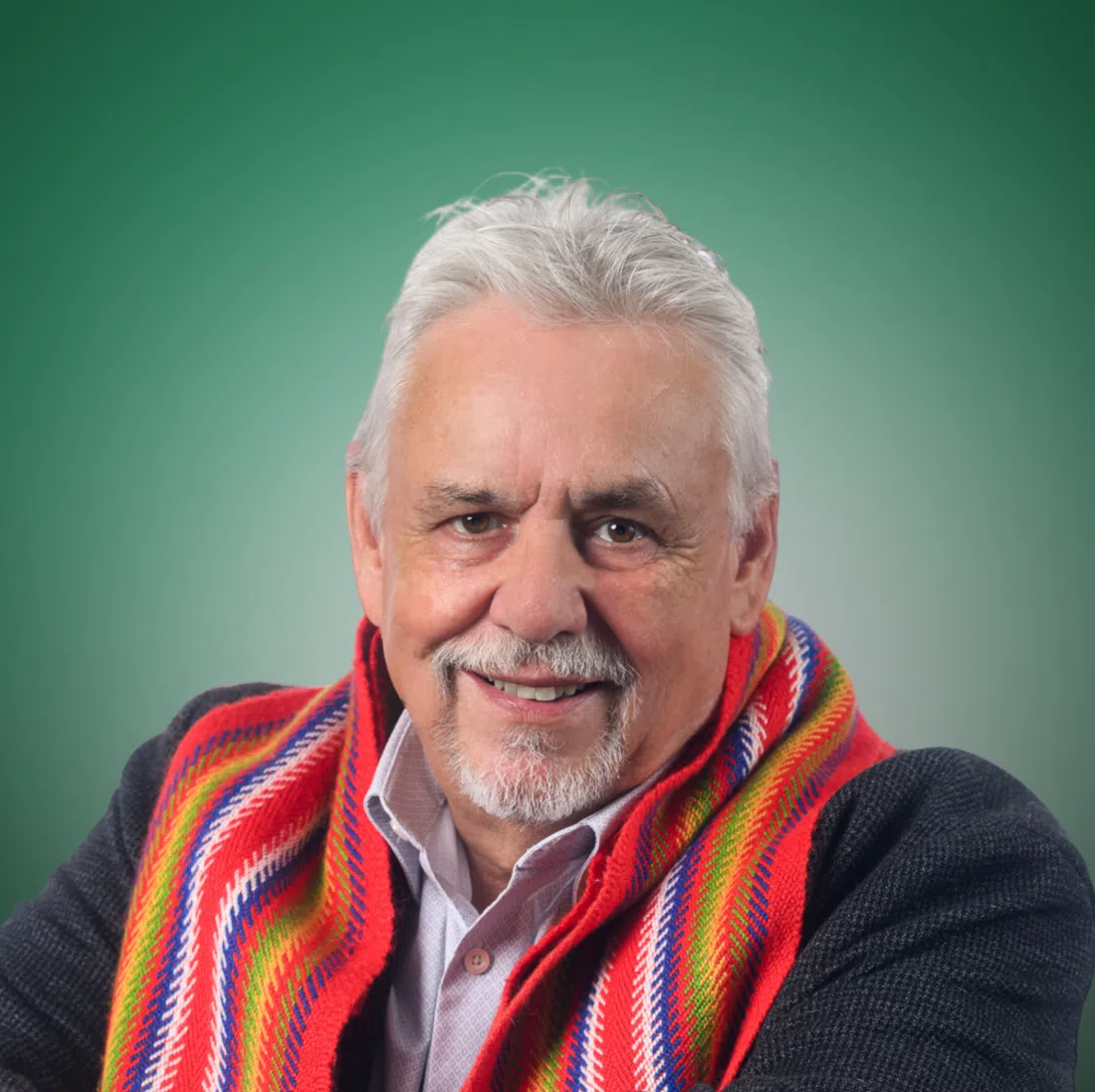

Murray Wood: Who's hot... and who's not?
Every Friday, Murray Wood takes a look back at the week's news and decides who's hot... and who's not. This week's list ...

Saskatchewan is marking a historic surgical milestone: the completion of its first stereotactic robotic epilepsy surgery.
The procedure was completed at the Royal University Hospital (RUH) on Mon, March 23. The newly-installed robotic stereotactic assistance robot was used.
Read more:
The generosity of multiple donors from across the province contributed to the purchase of this robot, which is named Erin after donor Merlis Belsher’s granddaughter. According to a release from the RUH Foundation and the Saskatchewan Health Authority, the Belsher Family contributed $700,000 to the $1.2 million fundraising campaign.
About 12,000 people in Saskatchewan are affected by epilepsy and about a third of those people live with drug-resistant epilepsy – a condition that can limit a person’s independence, work, ability to drive and daily life.
Until this robot, patients who require this procedure needed to travel out of Saskatchewan to be assessed.
“Manual placement of depth electrodes, which are essential for understanding where seizures begin in the brain, allowed surgeons to place only three to five electrodes during procedures that could take eight to nine hours,” the release read. “This meant that many patients did not receive enough diagnostic information to determine whether surgical treatment could help them.”
Health authority CEO, Andrew Will, called the robot an “exciting advancement that reflects what is possible when clinical expertise, innovation, and community support come together.
“This technology advances epilepsy care in our province and strengthens our ability to provide comprehensive treatment close to home. We are deeply grateful to RUH Foundation and the many donors whose support made this possible.”
“This neurosurgical robot will improve outcomes for patients living with epilepsy who can now access safer, shorter and more precise surgeries, with quicker recovery times, closer to home,” said Saskatchewan Minister of Health, Jeremy Cockrill, in the release.
“We are incredibly grateful for the contributions of Merlis Belsher and Family, all of the donors and the Royal University Hospital Foundation for the funding they have provided for this technology.”
In Saskatchewan, nearly 500 robot-assisted surgeries were completed in 2025. Robot-assisted surgical systems in the province are located in Saskatoon’s RUH and St. Paul’s Hospital and Pasqua Hospital in Regina.
Daryl, the Da Vinci Surgical System named after Belsher’s son, is another surgical robot at Saskatoon’s St. Paul’s Hospital. The hospital recently celebrated the completion of its 1,000th surgery.
March 26 was Purple Day, a day recognized worldwide to spotlight people living with epilepsy.