

Murray Wood: Who's hot... and who's not?
Every Friday, Murray Wood takes a look back at the week's news and decides who's hot... and who's not. This week's list ...
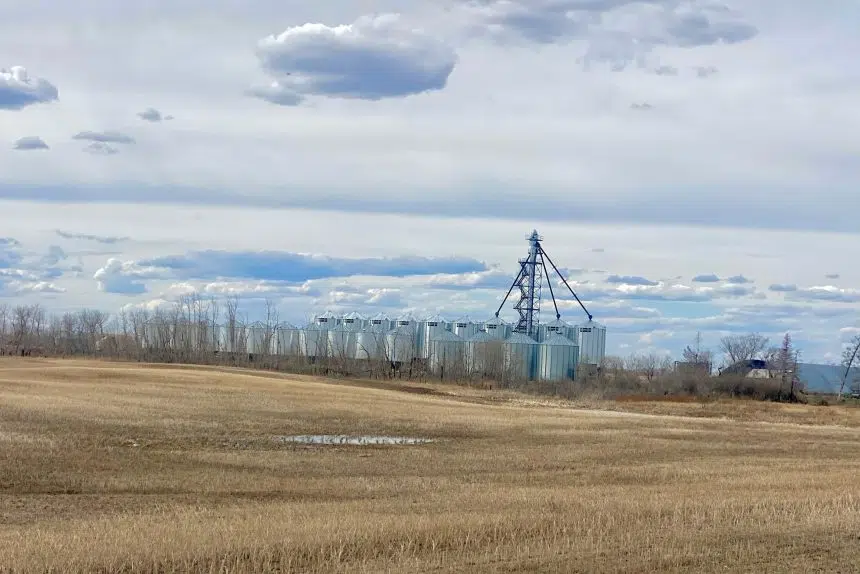
As Saskatchewan farmers prepare to head into the field, a sharp rise in fertilizer prices is adding new pressure at one of the most critical times of the year.
With seeding just weeks away, costs for key inputs have climbed significantly in some cases by more than 30 per cent driven in part by global supply disruptions tied to conflict in the Middle East. While many producers locked in purchases months ago, those who didn’t are now facing higher prices with little time to adjust.
Read more:
“When did you buy and how much on-farm storage do you have,” said Shaun Haney, CEO of RealAgriculture on The Evan Bray Show on March 24. “If you bought your fertilizer last November, you’re probably laughing today.”
Haney said timing has created a growing divide between farmers who secured inputs early and those now exposed to market volatility.
“You’ve got a significant cost advantage compared to your neighbours that didn’t,” he said.
The price increases are being felt just as producers finalize plans for spring seeding, a window of limited flexibility when decisions have often already been made.
“We’re at the back end of March. Once that calendar flips to April, you’re getting awfully itchy to start,” Haney said. “Honestly, there’s not a lot a farmer can do.”
The spike in fertilizer costs is tied to broader global pressures, including shipping disruptions through the Strait of Hormuz, a key trade route for energy and agricultural inputs. Even though that region is far from Saskatchewan, Haney said the impact is immediate.
“Something like the Strait of Hormuz, which just seems so far away from us, is having major impacts on the costs that farmers are facing,” he said.
While fuel prices are also rising, Haney said fertilizer presents a unique challenge because it directly affects crop yields.
“You can make the decision to reduce fertilizer but only to a certain extent,” he said. “You can’t just decide not to fertilize at all.”
Cutting back too much could hurt production, leaving farmers to balance higher upfront costs with the risk of lower yields later in the season. In some cases, producers may consider strategies like splitting fertilizer applications, applying less upfront and adjusting later based on weather and crop conditions, but that option isn’t available to everyone.
For now, Haney said communication with suppliers is critical as farmers work to secure both pricing and delivery ahead of seeding.
“Be in constant communication with your ag retailer of choice to ensure you have the product lined up,” he said. “The pricing is one thing, delivery is another.”
With tractors expected to roll in parts of Saskatchewan by mid-April, early purchases may have insulated some. Others are heading into the 2026 growing season already facing tighter margins in an industry where profitability can depend on a narrow window of conditions.