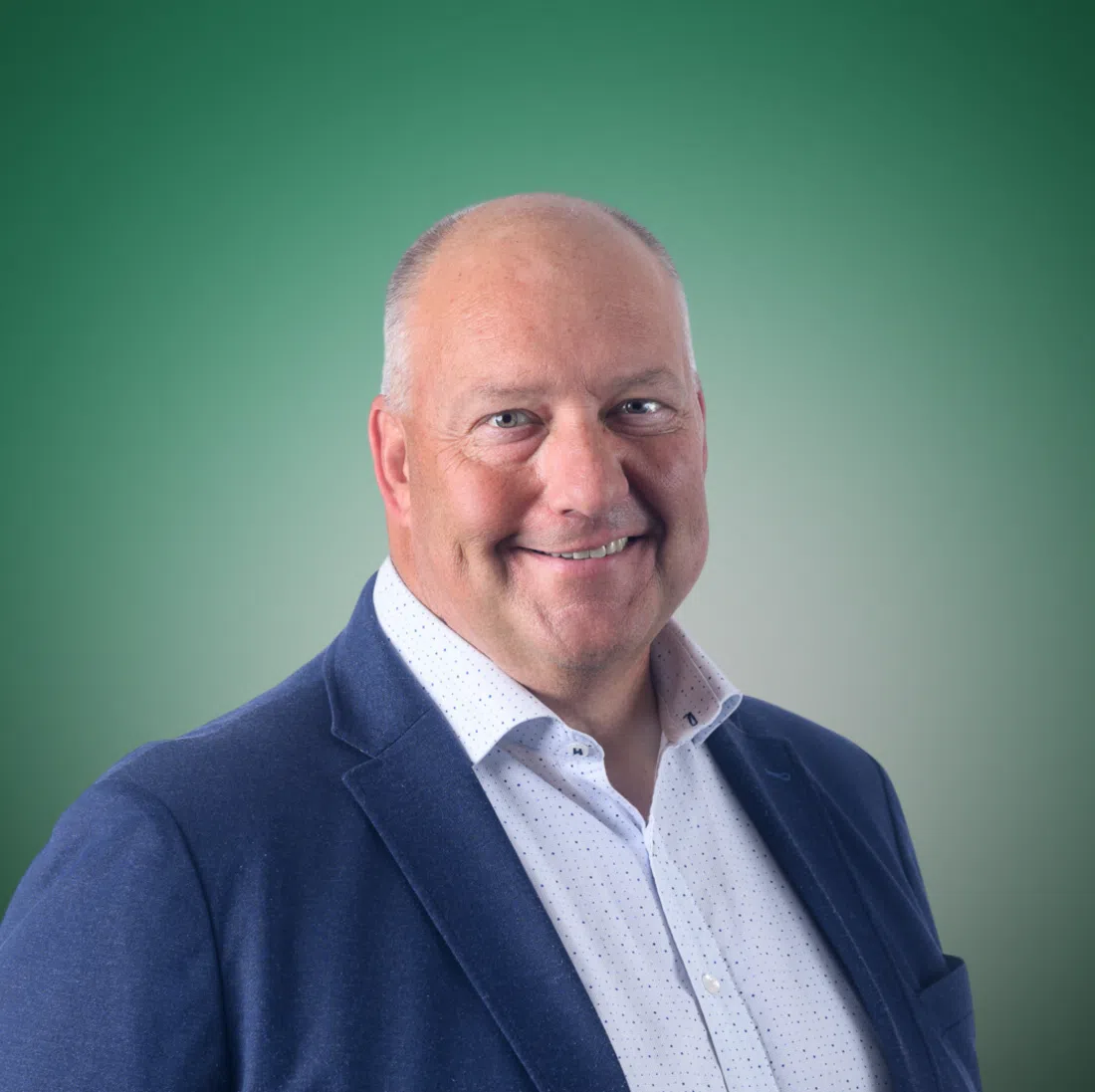

Murray Wood: Government nickel and dimes us in advance of Saskatchewan budget
We know the budget is going to include a deficit, and Murray Wood says it's probably not a good sign that the government...

While the 2026-27 provincial budget focuses on affordability and access to health care – which the premier and finance minister have said are the two biggest concerns they’re hearing about – the budget is also coming amid geopolitical concerns.
The province tabled a budget with a $819.4 million deficit on Wednesday, but said taxes will be reduced and services will not be cut.
Read more:
Finance Minister Jim Reiter said the economic turmoil around the world is having an impact, and preventing the province from achieving the kind of growth it expected.
“We had choices; we could have increased some taxes, we could have not put as much funding into key areas, like health care. We decided now is not the time to be doing that,” said Reiter.
“There’s a lot of economic stress around the world right now. It’s impacting everyone in the world because of trading issues and tariffs and the conflict in the Middle East.”
Reiter said the Saskatchewan Party is keeping all of its affordability promises.
He noted that government is making an attempt to rein in its own spending though “vacancy management,” which will mean allowing vacant government positions to stay empty if they don’t need to be immediately filled. The move isn’t expected to affect government services, but is expected to save $12 million in executive government and $18 million in the Crowns over the next two years.
The province isn’t projecting a return to a balanced budget until the 2030-31 fiscal year, saying it will reduce the deficit by a couple hundred million dollars each year until then. Last year’s budget documents only projected four years ahead, predicting surplus books all the way from 2025-26 through to 2028-29.
Reiter pointed to $60 billion in private investment that’s set to come into the province, which he said is going to do significant things for Saskatchewan’s economy.
The province’s gross debt is expected to rise to $43.5 billion, a $5.2 billion increase. Taxpayer-supported debt is rising by $3.3 billion, and self-supported debt is expected to rise by $1.8 billion. Financing charges for the province are expected to hit $1.2 billion.
“Ideally, you’d like to have very minimal debt and not in a deficit position, but it’s not a perfect world, but we are very well positioned,” Reiter said.
“Put it this way: I wouldn’t want to trade this seat with any of the other finance ministers in the country.”
The NDP, meanwhile, is calling it a “bad news budget,” pointing to what leader Carla Beck called a lack of affordability measures and an increasing debt.
“We see a premier who is content to continue making the people of this province pay for his own fiscal mismanagement,” said Beck.
She said the debt servicing costs alone are three times what the province has budgeted for community safety. Beck said the Sask. Party government seems incapable of properly managing the province’s finances.
“They’ve been in power for 20 years now. If they were going to figure this out, maybe they would have done it by now,” said Beck.
“I don’t accept (Reiter’s) excuses. They’ve piled on debt in good years and in bad years, and still managed to take us from first to last in health care, still managed to take us to the bottom of the pack in per-student funding, still managed to not turn around increasing rates of crime, and the list goes on and on and on. You can spend a lot of money and get not necessarily get great results, and I think that this government is a prime example of that.”
Editor’s Note: This story has been updated to correct errors in the figures on Saskatchewan’s debt.