

Sarah Mills: Justin Timberlake's arrest video should be made public
Justin Timberlake is fighting in court to keep his impaired driving arrest video hidden. Sarah Mills says the multi-mill...
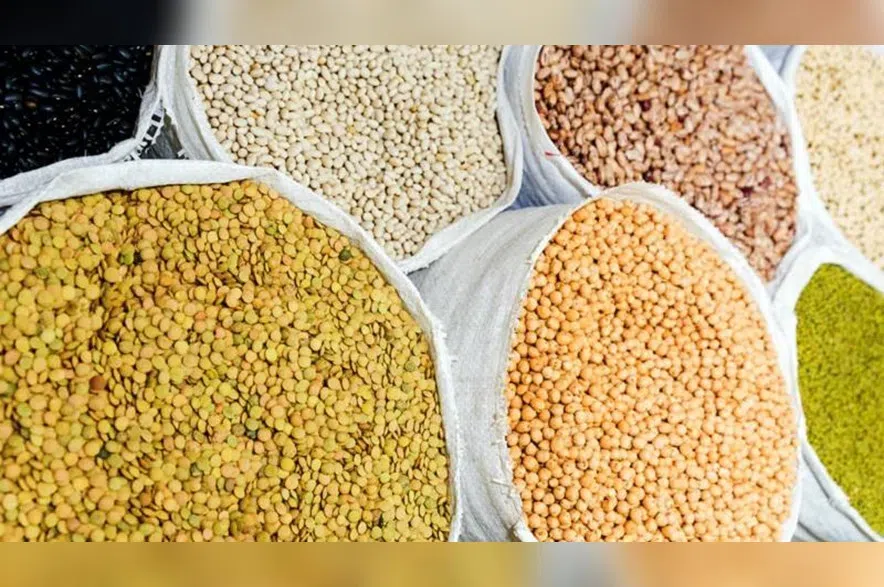
Pulse crops like lentils, chickpeas, peas and beans are central to both Saskatchewan and India’s agri-food sectors.
More than 80 per cent of all pulses exported from Canada to India are grown in Saskatchewan, providing healthy and high-protein food for hundreds of millions of people every day.
Read more:
As part of the ongoing trade mission to India, Premier Scott Moe along with officials from Canada, India, and the University of Saskatchewan have agreed to explore the creation of the Canada-India Pulse Protein Centre of Excellence at the National Institute of Food Technology Entrepreneurship and Management in Kundli, India.
Moe said the province plays an important role in global food security.
“This announcement represents an opportunity to bring Saskatchewan’s expertise and ingenuity in pulse production to the people of India,” Moe said.
“By working together, we will accelerate innovation, expand processing capabilities, and help meet growing demand for affordable, high quality, sustainably grown foods.”
University vice-president Baljit Singh said the school has a strong history of developing agricultural innovations that have real-world impacts.
“With groundbreaking discoveries in crop development, phenotyping, disease resistance, and excellence in food processing, USask researchers have greatly shaped modern farming advancements that have benefited both consumers and producers,” Singh said.
“We are committed to addressing the global demand for plant-based proteins and applying our world-class researchers, labs and infrastructure to address these needs.”
The proposed centre is intended to be a hub for food innovation in India, with a focus on pulse protein processing and fortified foods development.
Saskatchewan Pulse Growers chair Stuart Lawrence said the plan for the centre underscores the long-term partnership between Saskatchewan and India around pulses.
“This collaboration between academia and government can help ensure more pulses are included in large-scale food applications and enhance the role pulses play in delivering nutritional security for the benefit of Indian consumers and Saskatchewan farmers,” Lawrence added.
The trade mission to India is set to wrap up on Friday.