

Sarah Mills: Justin Timberlake's arrest video should be made public
Justin Timberlake is fighting in court to keep his impaired driving arrest video hidden. Sarah Mills says the multi-mill...
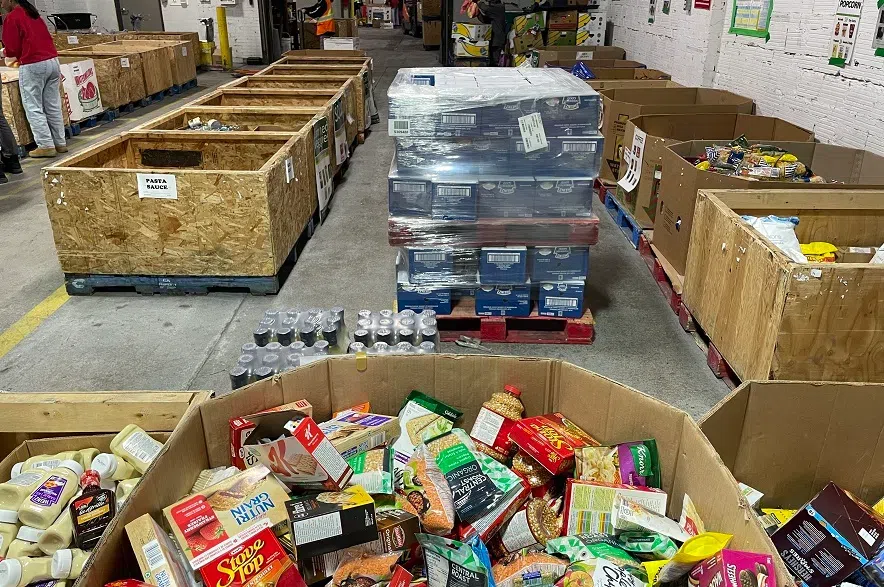
A new commercial kitchen will soon be up and running at the Saskatoon Food Bank & Learning Centre thanks to a major donation.
On Wednesday, Farm Credit Canada announced a $500,000 donation to fully fund the construction of the food bank’s Second Chance Kitchen.
Read more:
“The commercial-grade kitchen will reduce food waste by diverting surplus produce and other donated food for processing through canning, freezing and preservation, ensuring more food reaches families in need of support,” the two organizations explained in a joint statement.
“Once fully operational, and as production capacity increases, surplus food will be redistributed to rural communities surrounding Saskatoon, expanding the food bank’s reach across the region.”
Food security remains a big issue in Saskatchewan, with food banks across the province seeing an average of 55,310 visits each month, according to a 2025 report from Food Banks Canada. Last year, the Saskatoon Food Bank said it served about 23,000 people every month, up from around 17,000 in 2024.
“Food insecurity affects our neighbours, friends, and communities, and represents a challenge we must all tackle together,” Justine Hendricks, Farm Credit Canada’s president and CEO, said in a statement.
“The Second Chance Kitchen is a practical solution that keeps good food in the system, supports families facing food insecurity and strengthens communities across Saskatchewan. As a national Crown corporation headquartered in this province, we are proud to invest in initiatives that make a measurable difference close to home.”
Laurie O’Connor, the food bank’s executive director, said the organization is proud to work with Farm Credit Canada on the kitchen project, which is expected to significantly expand the number of meals prepared through cooking and nutrition programs.
“Their investment reflects a shared commitment to reducing food waste, improving food security, and building practical solutions that serve people with dignity,” O’Connor said in a statement.
“This kitchen will make a measurable difference for thousands of households each year.”