

Sarah Mills: Justin Timberlake's arrest video should be made public
Justin Timberlake is fighting in court to keep his impaired driving arrest video hidden. Sarah Mills says the multi-mill...
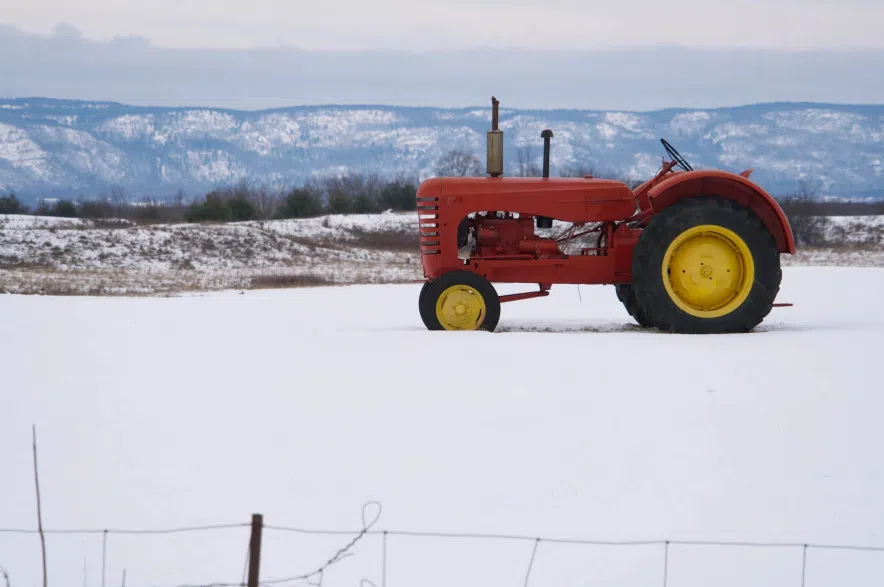
It may be January, but for a farmer, the work is year round.
Rob Stone was spending a blustery Friday cleaning lentil seed, sweeping out the shop, and doing office work.
“Avoiding the wind as much as we can,” he said in a phone interview from his farm near Davidson. “It’s been a crazy couple of days as far as that’s concerned.”
Read more:
Stone typically grows hard red spring wheat, canola, lentils, and more recently specialty crops like chickpeas.
As he goes over the numbers, he says it’s getting difficult to squeeze out a profit.
“Fertilizer prices are above a typical level and just everything’s getting more expensive,” he said.
“And at the same time, most of the prices of commodities have returned to, I don’t know if you call it a more average level, but it’s certainly at a depressed level versus the last couple years.”
That’s why Stone is pleased to see the progress that was made in trade talks between Canada and China.
In an agreement announced Friday, China is expected to drop duties on canola seed to 15 per cent by March, and “anti-discrimination” tariffs on canola meal along with peas, lobster, and crabs will be dropped between March and at least the end of the year.
In return, Canada will allow up to 49,000 Chinese-made electric vehicles into the country with a tariff of 6.1 per cent.
“It’s obviously not finished, but I think it was a bit more of a step than I expected when I heard a bunch of folks were going to China to try and sort this out. So it’s nice to see — it’s not done, but it certainly puts a lot of optimism into the process,” he said.
However, it’s too late in the year for Stone to adjust his mix of crops to try to take advantage of any increase in canola price that may result.
Stone explains the fertilizer is already in place, pre-sales have been done, and crop rotation is set long-term.
“It does provide some optimism that the crop that has provided fairly decent cash flow on our farms over the last few years, that allows us to to to operate and have a proper crop rotation, hopefully there’s a little bit more profit that can come back into that crop,” he said.
Ultimately, Stone hopes for full access for his products.
“The whole idea, in my mind, is to have open and free trade and tariff-free access to as many markets as possible.”
— with files from The Canadian Press
Read more: