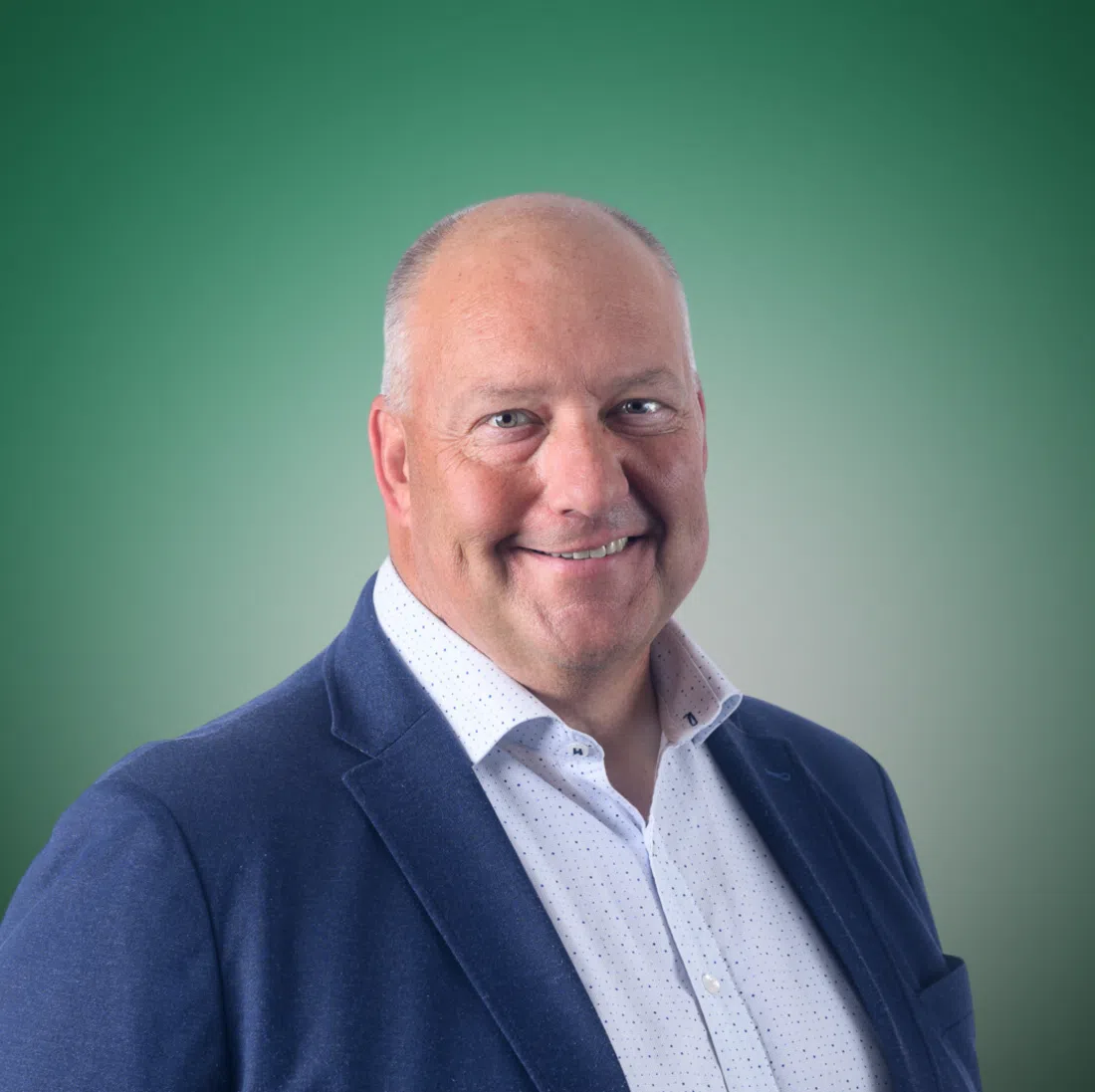

Murray Wood: Saskatchewan is ahead of its time. Just ask B.C.
There used be an argument that Saskatchewan didn't move it's clocks because it was resistant to change. Turns out when y...

While Prime Minister Mark Carney and Premier Scott Moe take meetings in China, farmers across Saskatchewan are waiting to see what might change on the canola front.
China is one of the biggest export markets for Saskatchewan, and its tariffs on canola and pulses are having an effect on producers, according to Lyndsey Smith, editor of RealAgriculture and guest host for Sean Haney. Smith joined the Evan Bray Show on Wednesday, along with her colleague Amber Bell, Alberta field editor for RealAgriculture and host of the Ruminating with RealAg podcast.
Read more:
Smith said they don’t have exact numbers, but they can estimate what the tariffs might cost producers.
“We recognize that the full brunt of, specifically the canola tariffs or the pulse tariffs, it is bringing the price down because we can’t move product,” she explained.
Bell said some producers are concerned about finding space to store their crops from last year as they decide whether to sell or hold on for a better price.
Trade is among the topics Carney is expected to broach in his meetings in China. Canola tariffs that were widely believed to be implemented because of Canadian tariffs on Chinese-made electric vehicles are the focus of many producers and agricultural stakeholders in Saskatchewan.
Smith called it an intricate situation because of the interplay of trade interests between Canadian partners.
She said if Canada were to remove its electric vehicle tariffs in an effort to get better market access for canola, it could upset the U.S., which is the biggest market for Canadian canola. Canada implemented its EV tariffs following the U.S. lead.
“Do we really want to tick off our biggest canola buyer?” Smith asked.
But, Smith said, there could be a middle ground to find in the situation.
“The EU has tariffs on Chinese EVs, but not as high as ours. So could we see a reduction that might get canola flowing again? Possibly,” she said.
On Tuesday, the European Union and China agreed on a price floor for Chinese EVs to resolve its tariff dispute.
Some in other parts of the country, like Ontario, are hoping Canada will keep those electric vehicle tariffs in place. On Tuesday, Ontario Premier Doug Ford said he had some concerns about Premier Scott Moe joining Carney on the trip and the effects the removal of EV tariffs could have on the Canadian automotive sector.