

Murray Wood: The Pitt is actually rather elevating
Murray Wood doesn't talk about TV that much, but he has become a fan of medical drama The Pitt. Wood says he enjoys the ...
Jill and Rick Van Duyvendyk answer all your gardening questions in Garden Talk on 650 CKOM and 980 CJME every Sunday morning at 9 a.m. Here are some questions and answers from the Jan. 11 show:
Read more:
These questions and answers have been edited and condensed for clarity.
Q: How can I encourage birds to come to my backyard?
A: Now is a great time to build wren houses with smaller holes. Wrens are the ones that eat all the insects. If you’re not handy, you can buy one put it out so that they’re there for spring.
Provide a bird bath or water feature for them to drink at, and you won’t have to spray your yard for insects for years. In winter you also have to keep the water from freezing, so use a heater in your water source.
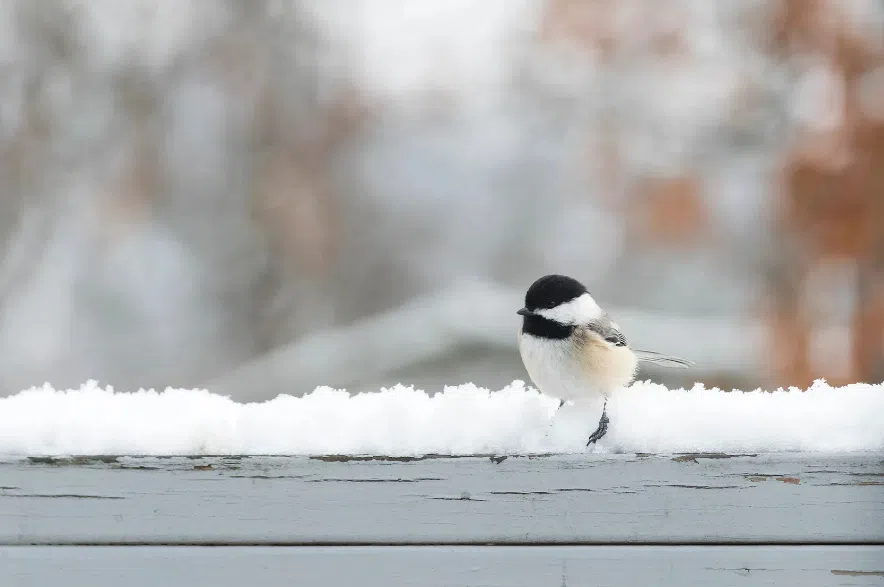
If you want to attract birds to help clean insects out right now, hang suet food to attract chickadees, they are the ones that will pick around the plants and eat any insects that are wintering there.
They’re friendly little birds, you can almost get them to eat out of your hand, and there is something about having the sound of birds throughout the winter that kind of brings positivity. Ever since COVID-19, bird feeding and bird watching equipment have been the number two or number three selling items in the garden centre.
Q: Can I trim goji berry bushes and transplant them?
A: When they get new growth on them you can trim them back by half and take softwood cuttings from the new growth.
They’re more like a shrub where you have to transplant the whole thing, all the branches will come down to one stalk. It’s hard to split that. You can do a hardwood cutting, both will work, but softwood cuttings are faster to root.
Q: Will the warm weather forecast for southern Saskatchewan cause any garden problems?
A: When we get a warm weather we also get more reflection off the snow for like cedars and spruces, especially the small ones. Plus temperatures for one or two days are not going to change what the plants do.
We have enough snow on the ground right now that it’s insulated, so the ground’s not freezing and thawing underneath the snow quite yet. Wood ash or anything to darken the snow can protect plants from reflection.
Q: What do I need to look for while caring for houseplants in winter?
A: Leaf drop can be an issue witn the change in sunlight still and moving plants around from Christmas time. People might have moved a fiddle leaf fig out of a window space because their Christmas tree sits there and then moved it into a different room.
Low light area near a north or east window in our climate is very, very low light and will cause some leaf drop. It’s not a bad thing for the plant so don’t increase or decrease watering or you will start seeing other issues happening like root rot or fungus gnats.
Fungus gnats come out of the soil, so get some nematodes to treat them in the soil and sticky sticks for above the soil. If you’re not sure what plant they’re coming from, put a slice of raw potato on top of the soil of your plant at night, and in the morning there’ll be little maggots on the potato. Throw the potato away and scoop up any maggots and and toss them way, too.
Another pest seen at this time of year is mealy bug. It almost looks like white, fluffy cotton balls on branches or stems. Succulents, ficus and jade plants are susceptible. You can use End-All or a Q-tip with some rubbing alcohol or just a rubbing alcohol spray.
Another pest is spider mite, which doesn’t look like a house spider. If you see webbing from branch to branch, that’s a house spider but spider mite looks a little different. If you flip the leaves over underneath, you’ll see webbing and there will be a yellowing speckling on the leaves. You can use Safer’s Insecticidal Soap or End-All. Spray the plant until it’s dripping top and bottom side of the leaves about every 10 to 12 days. Do three to four applications for a bad infestation.
Q: Last season our white potatoes had lots of scab. We’re going to plant in a different area of the garden this year. When can I plant in the first area again?
A: If it was really bad scab, wait two years. If it was light scab, one year’s fine. Avoid adding too much organic material in the soil.
Read more: