

Evan Bray: Looking back on 9/11 a quarter century later
On the 25th anniversary of the 9/11 terrorist attacks in the United States, Evan Bray is remembering his own experience ...
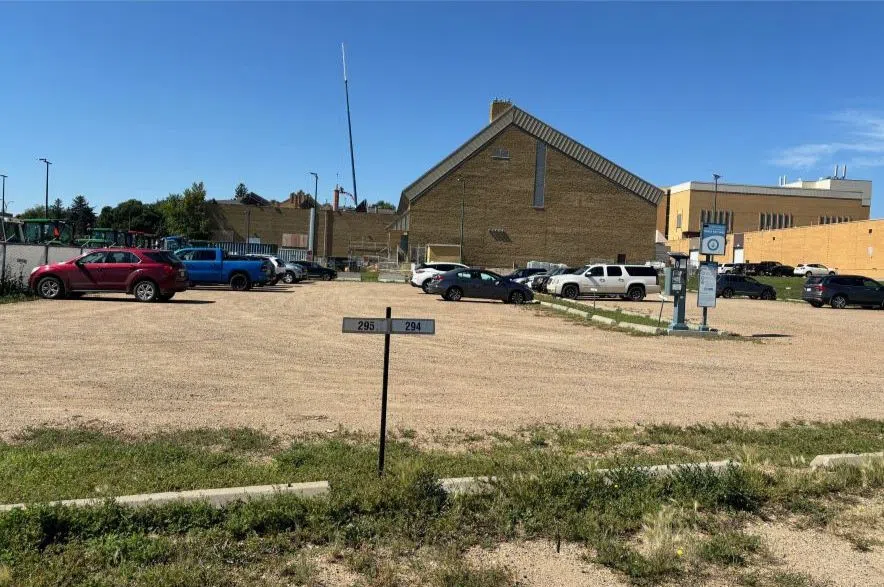
The wheels — so to speak — are in now in motion to build Saskatoon’s new, 60-bed enhanced emergency shelter.
The new shelter will be run by The Mustard Seed, and will be located at 170 – 31st Street East, behind the Harry Bailey Aquatic Centre, adjacent to Sask. Polytechnic.
Read more:
On Dec. 15, 2025, the provincial government, on behalf of the Saskatchewan Housing Corporation issued a public request for proposals (RFP) for “Design-Builder Services for the Enhanced Emergency Shelter,” with a builder submission deadline of Feb. 11, 2026.
“Timely design and construction are prioritized, with occupancy targeted for Fall 2026,” read the report.
While there’s no actual budget number provided in the documents, in a statement, Leya Moore, public relations spokesperson with the Ministry of Social Services said, “We will know more about total anticipated cost of the project along with timelines for completion of construction after the project has been awarded.”
In Sept. 2025, the province announced three million dollars for annual funding for drop-in services for those who are homeless in Saskatoon. That’s in addition to $40.2 million in funding for homelessness initiatives, including two 60-bed, permanent homeless shelters for Saskatoon and Regina announced in 2023.
The City of Saskatoon also approved an investment that will include sidewalk construction from 31st Street East to the new building at a cost about $350,000, and a new fence to prevent trespassing on nearby CPKC railroad at a cost of about $50,000.
According to the RFP document, the new shelter will be nearly 11,000 sq. ft. on one level, and will consist of a 2,400-sq. ft. open sleeping area, a large dining area with a $325,000 allowance for industrial kitchen equipment, about half a dozen bathrooms, including gender neutral washrooms, a heat treatment room, laundry, security stations, meeting rooms and staff rooms. There will also be an outdoor enclosed area for clients using the facility, separate and inaccessible from the building’s entrance.
There will be fencing around the entire facility, a specialized air intake system to lower the risk of airborne illnesses including tuberculosis, and shatter-proof windows, mirrors, light fixtures, doors and walls.
The document also requires “Cleanliness and respect for the neighbourhood, including cleaning public sidewalks at all times during construction. Avoid disturbing adjacent parking areas.”
According to the City of Saskatoon’s latest Point in Time homeless count in November 2025, there are now 1,931 people experiencing homelessness in the city. That’s up by 432 from the previous count done in 2024.
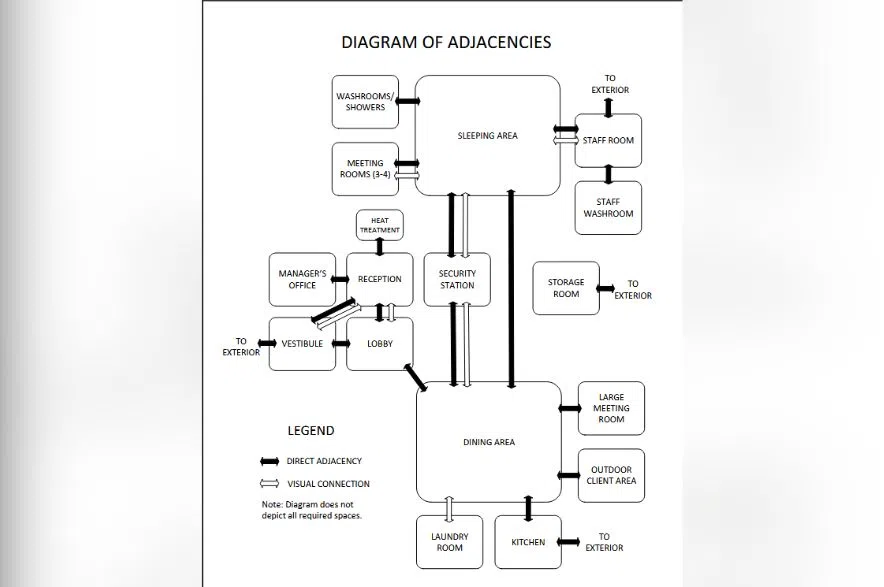
A simple diagram shows most of the requirements for the new homeless shelter. According to the RFP report, the province hopes it will be completed before the end of 2026. (Government of Saskatchewan/Submitted)
An environmental site assessment of the area where the shelter is expected to be built was completed, and a report issued by P. Machibroda engineering firm.
It includes information that a drill hall used to occupy part of the property between 1941 and 1971. After demolition, a tennis court was then built in the same area. It’s not clear how that building was heated, or whether there were any oil or gas tanks located near the site before it was torn down.
Property next to the site is registered as having above and potentially below ground tanks used for holding heating or furnace oil, gas, diesel, or other fuels. Based on aerial pictures, they represent a “low to moderate environmental concern towards the site,” according to the engineering firm, however they belong to SIAST-Kelsey Institute. According to an addendum to the report, the property’s environmental risk is “low” and no further investigation is needed.
An outbuilding on the site, built before the 1990 may contain asbestos related materials, but a special survey would be needed to find that out.
Additional searches are currently being done on the site, and the engineering firm indicated any relevant information would be passed along if necessary.