

Murray Wood: Canada can lose occasionally and still be number one
There have been times in Canada where confidence in our hockey dominance has wavered, but Murray Wood says a loss in the...
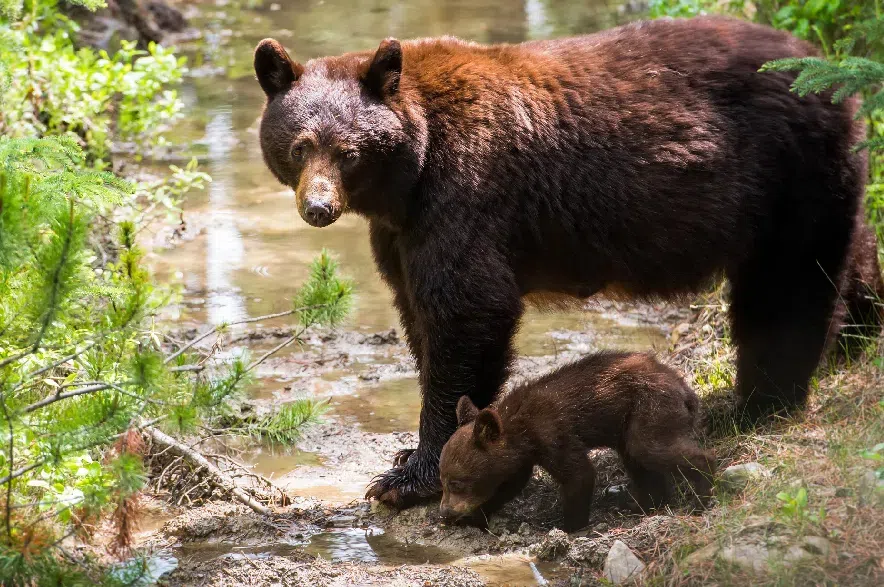
A Maidstone woman was handed $12,000 in fines and a five-year hunting suspension at the conclusion of an interprovincial investigation into illegal trafficking of wildlife parts.
According to the Saskatchewan Ministry of Community Safety, the case began back in March of 2022 when the ministry received information about suspected trafficking of bear gall bladders.
Read more:
An investigation by Saskatchewan conservation officers began in Maidstone, east of Lloydminster, and later expanded into British Columbia as well.
On Nov. 24, the woman pleaded guilty to trafficking in wildlife, including the gall bladders and paws of black bears, in a Lloydminster courtroom. According to the ministry, Lee also pleaded guilty to unlawfully transporting wildlife parts across a provincial border “after purchasing bear paws illegally in Saskatchewan and taking them into Alberta.”
Lee was fined $7,000 for trafficking in wildlife and $5,000 for unlawfully transporting the wildlife parts between provinces. Any money connected to the offences was also ordered to be seized, the ministry noted.
In B.C., a second person, who was related to the Maidstone woman, pleaded guilty to unlawful possession and wildlife trafficking related to bear parts, and was fined $9,875, the ministry said.
“Trafficking in wildlife undermines lawful hunting, devalues public natural resources, and can negatively affect wildlife populations and broader ecosystem health,” the ministry said in a statement.
“The Government of Saskatchewan reminds the public that information from citizens plays an important role in protecting wildlife and supporting enforcement efforts.”
While the ministry did not say why the bear parts were being trafficked, bear gall bladders are highly valued in some Asian cultures for their supposed healing properties, which has created a black-market trade for the parts.
Anyone who suspects wildlife, fishing or forestry violations was encouraged to make a report through Saskatchewan’s Turn in Poachers and Polluters line.