

Murray Wood: Who's hot... and who's not
Every Friday, Murray Wood takes a look back at the week's news and decides who's hot... and who's not. This week's list ...
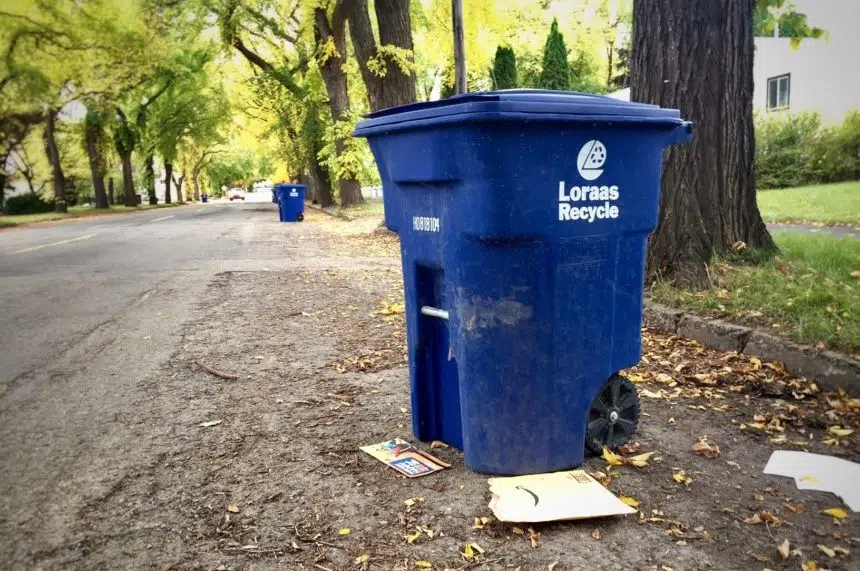
As recycling has become second nature for most people across the country, there are many challenges for the businesses that take in your bottles and boxes.
A big market for those items was China, up until early 2018. That’s when China quit taking in many recyclables from other countries and put strict rules on the ones it did.
That left a glut of material in some markets, to the point that some cities stopped their recycling programs altogether.
Jenna Curson, the environmental communication specialist for Loraas, says the situation has posed a challenge but it has found other markets for recyclables in North America.
“Recycling isn’t consistent all the time, it’s a changing market, and the reason it changes is because things are only recyclable if someone else is willing to buy those materials and make them into something new,” said Curson.
She says while the changing market is a challenge, educating people about what can and can’t go into the recycle bin continues to be an issue.
“The items that get sent to the landfill are non-approved items and that can be chainsaws and electrical cords, items that were not ever approved in our recycling program,” Curson said.
Aside from non-approved items, another issue is very dirty items that are found in the blue bins.
“If they are contaminated items that are dirty like pizza boxes covered in grease, unfortunately those items can’t be made into something new. So, unless you break that down to be made into compost, you have to discard those items as they can’t be recycled,” said Curson.
To try to deal with the problem of dirty items, Curson says Loraas has hired extra staff to clean and hopefully keep some of those items out of the landfill.
To make sure what you are throwing into the recycle bin is actually approved, you can check with the City of Saskatoon or Loraas.