

Murray Wood: Who's hot... and who's not
Every Friday, Murray Wood takes a look back at the week's news and decides who's hot... and who's not.
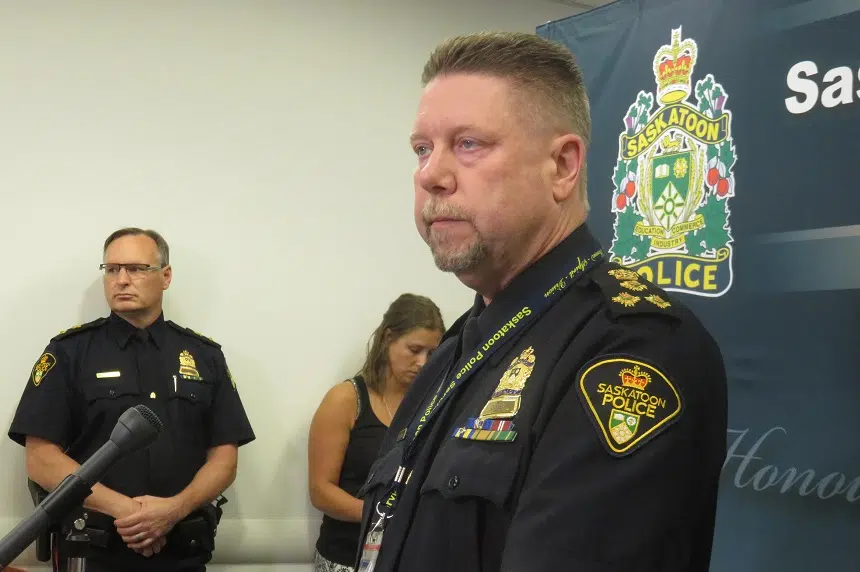
Saskatoon Police Chief Troy Cooper was on hand Monday when the national inquiry into Missing and Murdered Indigenous Women and Girls released its final report.
The report, which was released in Gatineau, Que., contained 231 recommendations.
Cooper joined 650 CKOM’s David Kirton on Saskatchewan Afternoon on Thursday to speak about the release, and what it meant for him to be there.
“When you look at those recommendations for police, you (have) to remember that these are recommendations across Canada, and certainly people have had different experiences in their interactions with police,” Cooper said.
Cooper was in attendance to represent the Saskatchewan Association of Chiefs of Police. He said the association was involved in the process from the beginning, and the Saskatoon Police Service had been working to implement action on some of the issues in the city even before the report was released.
“We weren’t just waiting for the concluding document to be presented to us,” Cooper said. “We were following it as it progressed, and we had anticipated some of the recommendations (and) took action on them, assuming that they would be included, and of course, some of them are.”
Cooper also has a personal connection to the report. He is Metis and has granddaughters who are Indigenous. He says seeing the announcement first-hand, and some of the impacted families, made him reflect on some of the cases he has worked on. He said it helped him understand how impactful this report really is.
Cooper knows that for his police force, it’s all about connecting to the community.
“One of the ways we build respect is by understanding the community that we’re serving,” he said. “Our officers receive training on the community and begin to understand exactly who the people are that we’re serving, so that they can serve them with respect and have respectful interactions.”
He said personally, the most important calls were the calls for all Canadians. He says they can change structure and policies, but it’s important for everyone to recognize what steps are needed to change the way people interact, and to build that respect moving forward.