

Sarah Mills: My World Cup ticket hopes are dashed once again
Sarah Mills just received another email telling her she hasn't been successful seeking World Cup tickets. The dream is d...
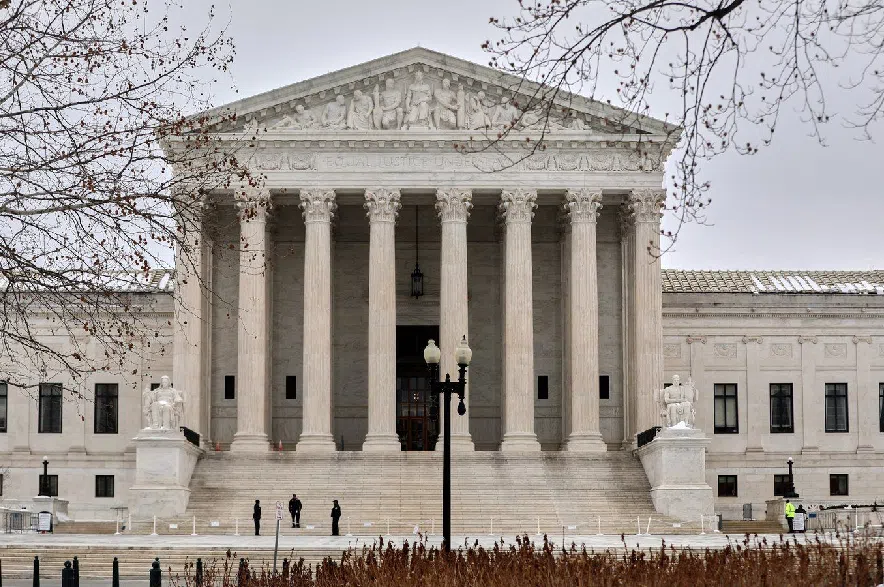
The U.S. Supreme Court has struck down President Donald Trump’s use of a national security statute to deploy tariffs, reining in his efforts to realign global trade.
Trump used the International Emergency Economic Powers Act, better known as IEEPA, for his “Liberation Day” tariffs and fentanyl-related duties on Canada, Mexico and China.
Read more:
The 6-3 decision found that the Constitution “very clearly” gives Congress power over taxes and tariffs.
“The Framers did not vest any part of the taxing power in the Executive Branch,” Chief Justice John Roberts wrote.
The majority decision did not address whether the companies hammered by those tariffs should get refunds.
The decision does not affect Trump’s use of other tools to hit Canadian steel, aluminum, automobiles, lumber and other industries with separate duties.
Trump has warned repeatedly that if the court ruled against his tariff agenda, it would lead to catastrophic consequences for national security, foreign policy and the economy.
Republicans in Congress were much more wary about the president’s wide-ranging tariff agenda.
Trump boosted duties on Canada to 35 per cent last August but those tariffs do not apply to goods compliant under the Canada-U.S.-Mexico Agreement on trade, known as CUSMA.
The trilateral trade pact is up for review this year and Trump has used threats of tariffs and other measures to rattle Canada ahead of negotiations.
Canadian Chamber of Commerce president and CEO Candace Laing said the Supreme Court’s ruling is not a reset of U.S. trade policy and “not the last chapter of this never-ending story.”
“Canada should prepare for new, blunter mechanisms to be used to reassert trade pressure, potentially with broader and more disruptive effects,” Laing said in a media statement.
This report by The Canadian Press was first published Feb. 20, 2026.
— With files from The Associated Press